
Leave Your Message
-
Contact Phone
-
 Contact Email
Advanced Barrier Protection & Ultimate Tactile Precision
The modern professional tattoo and piercing industry operates under stringent health and safety regulations that rival those of minor clinical procedures. As the market expands, the commercial landscape for consumables—specifically protective handwear—has evolved dramatically. Vinyl gloves have emerged as a cornerstone in this sector, offering a unique balance of cost-effectiveness, hypoallergenic properties, and reliable barrier protection against bloodborne pathogens.
Historically, latex was the industry standard. However, the rising prevalence of Type I and Type IV latex hypersensitivity among both artists and clients has forced a paradigm shift. Studio owners are commercially incentivized to maintain a 100% latex-free environment to avoid severe allergic reactions and potential liabilities. This industrial pivot has placed high-quality vinyl (Polyvinyl Chloride or PVC) gloves at the forefront of studio inventory management.
From a manufacturing perspective, the formulation of vinyl gloves has seen significant technological advancements. Modern industrial processes utilize advanced plasticizers that enhance the polymer's elasticity, allowing the glove to conform more naturally to the artist's hand. This reduces hand fatigue during multi-hour tattoo sessions—a critical commercial factor for artists whose livelihood depends on manual dexterity and endurance. Furthermore, the global supply chain for vinyl is highly stable, ensuring that professional studios can maintain bulk inventories without the extreme price volatility often associated with raw natural rubber markets.
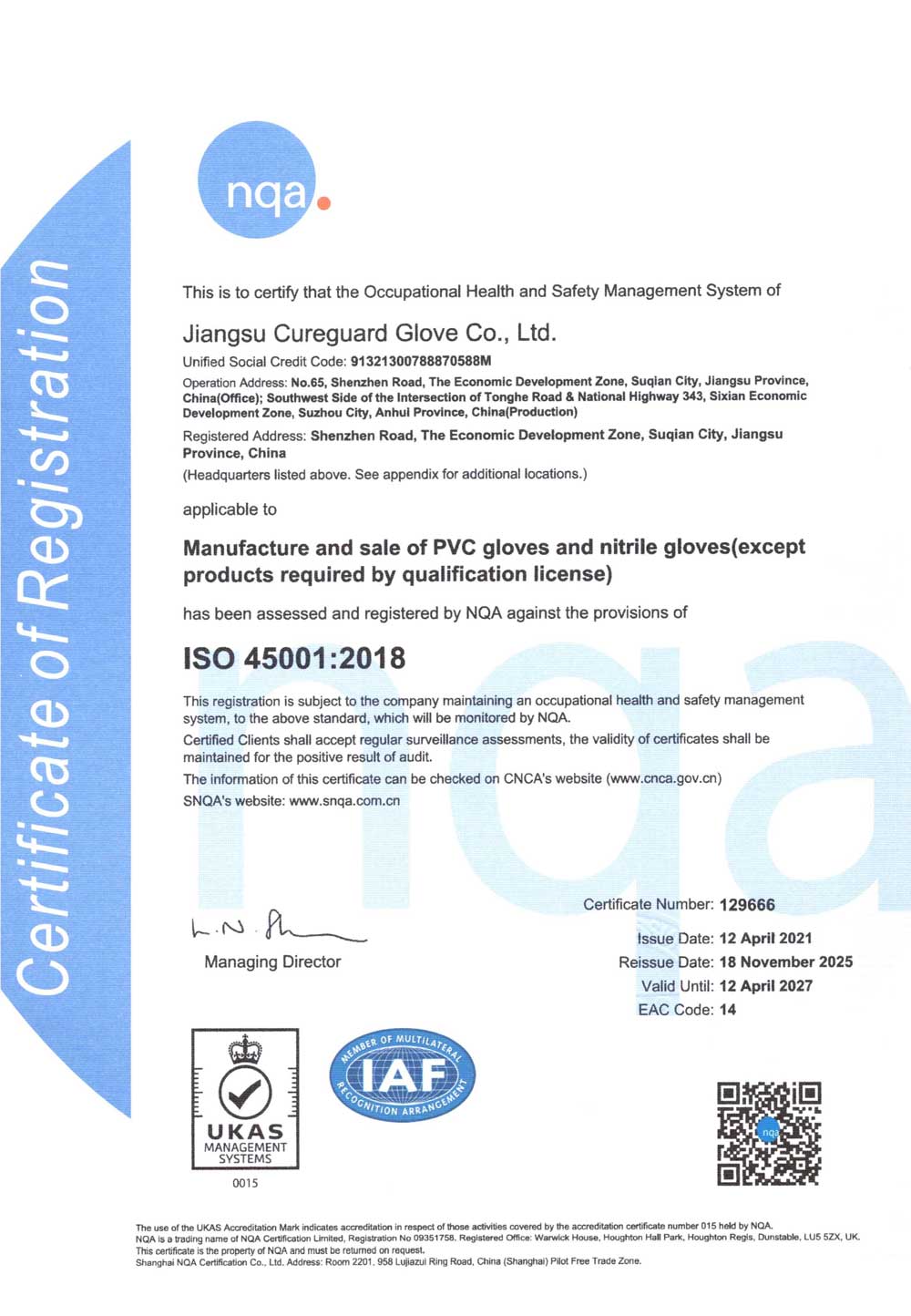
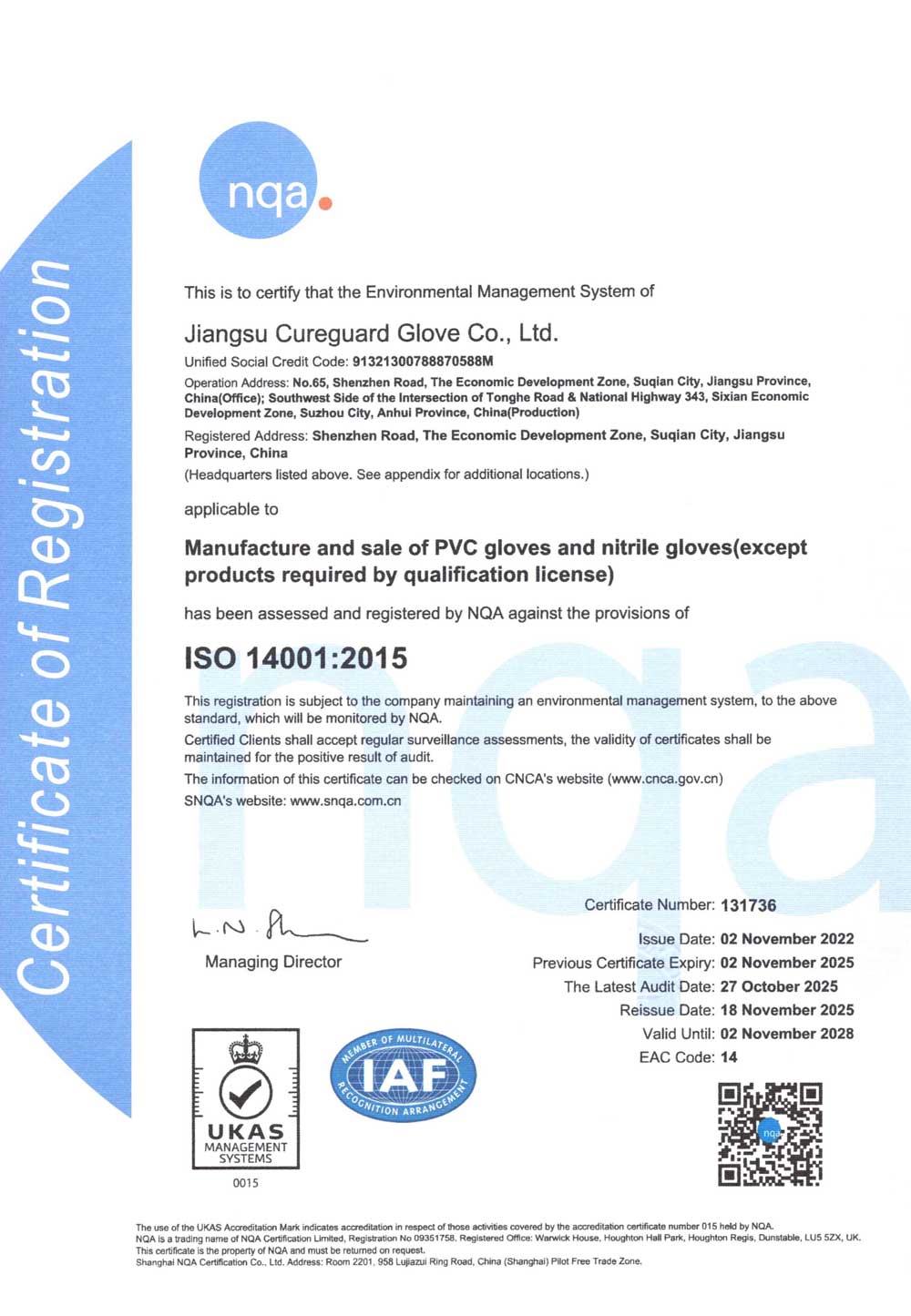
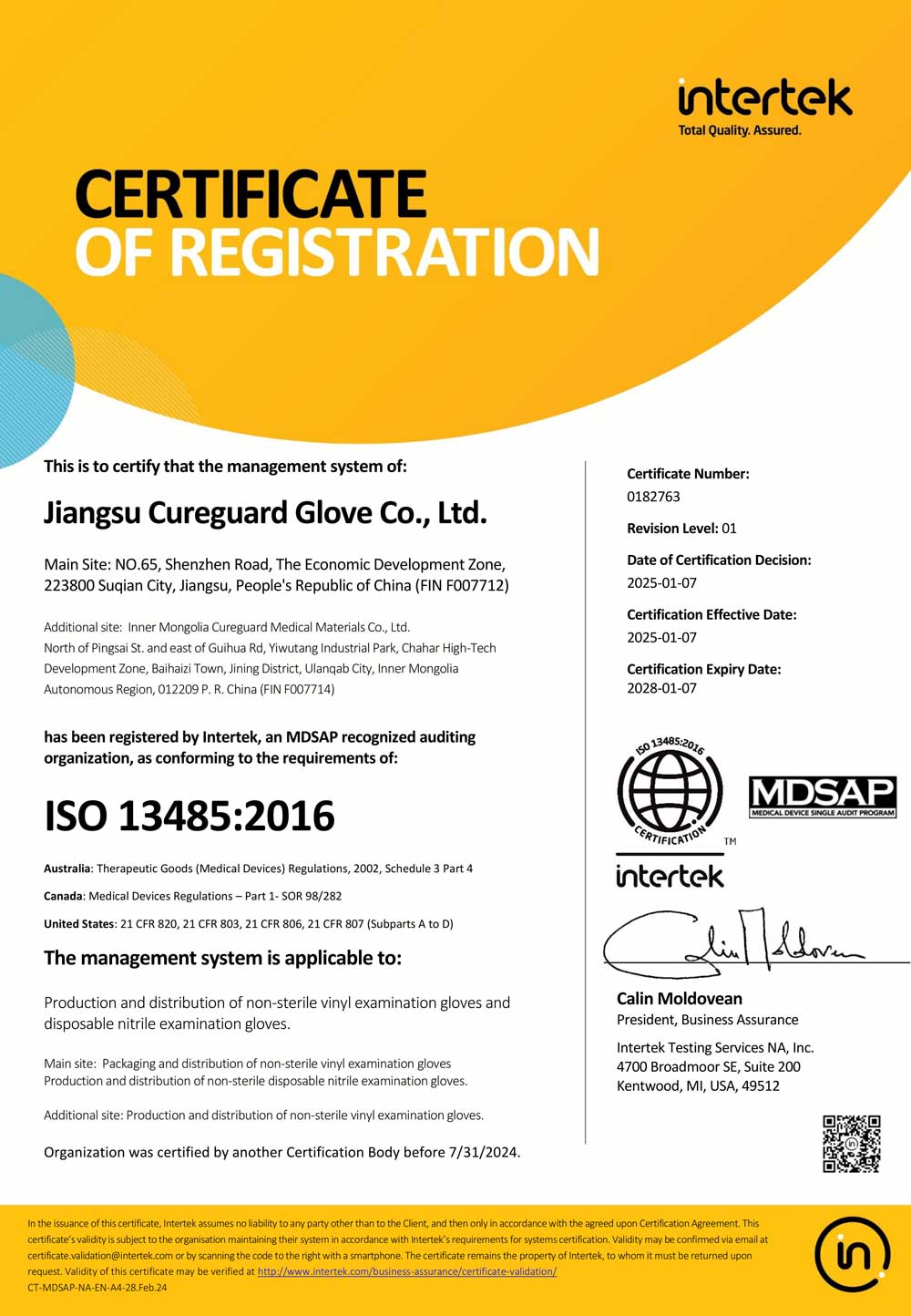
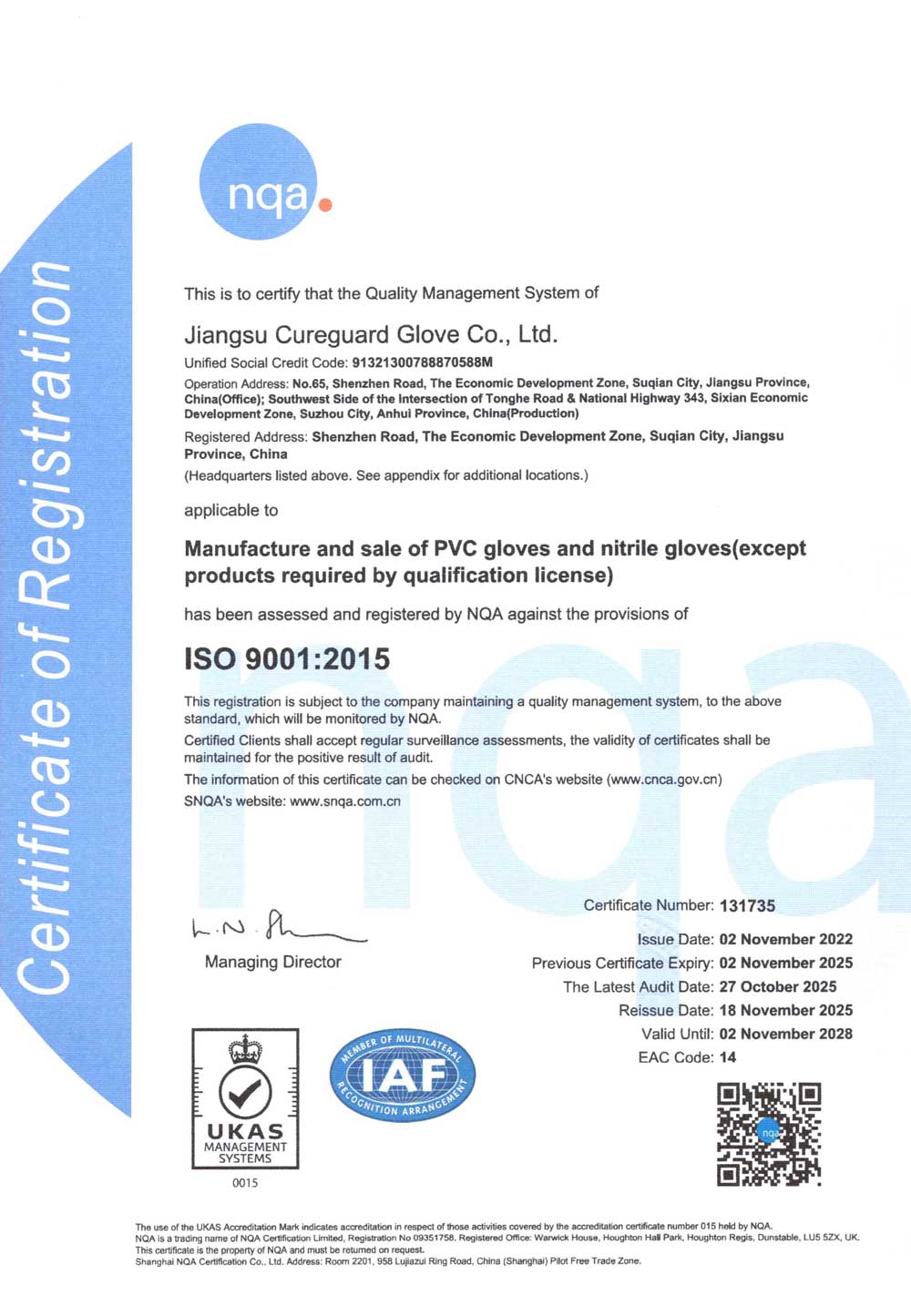
Established in 2006 and headquartered in Jiangsu Province, China, Cureguard Glove Group is specialized in glove manufacturing for over two decades. We roll out different series of products to address various routine and highly specialized scenario needs, including medical examination, food contact, electronic industry, and professional body art applications.
We supply various kinds of gloves to customers in more than 100 countries and regions worldwide, ensuring compliance with the highest international safety standards.



The application of vinyl gloves in a professional studio extends far beyond simply putting them on before touching a client. It involves a rigorously structured protocol designed to eliminate cross-contamination at every stage of the artistic process. Understanding these deep application scenarios reveals why specific glove characteristics are non-negotiable.
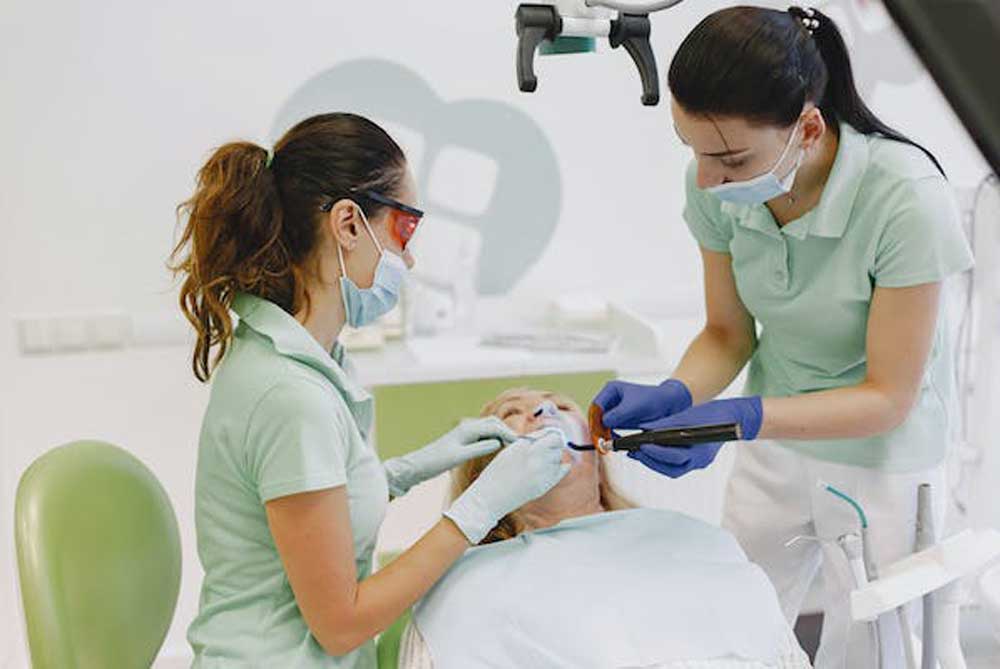
Before a client even enters the booth, the artist must prepare the environment. This involves handling potent hospital-grade disinfectants to wipe down massage tables, armrests, and power supplies. High-quality vinyl gloves provide excellent chemical resistance against these harsh cleaning agents, protecting the artist's skin from dermatitis while ensuring the setup remains completely sterile. The smooth surface of vinyl also makes it incredibly easy to slide on barrier film and machine bags without snagging or tearing the protective plastics.
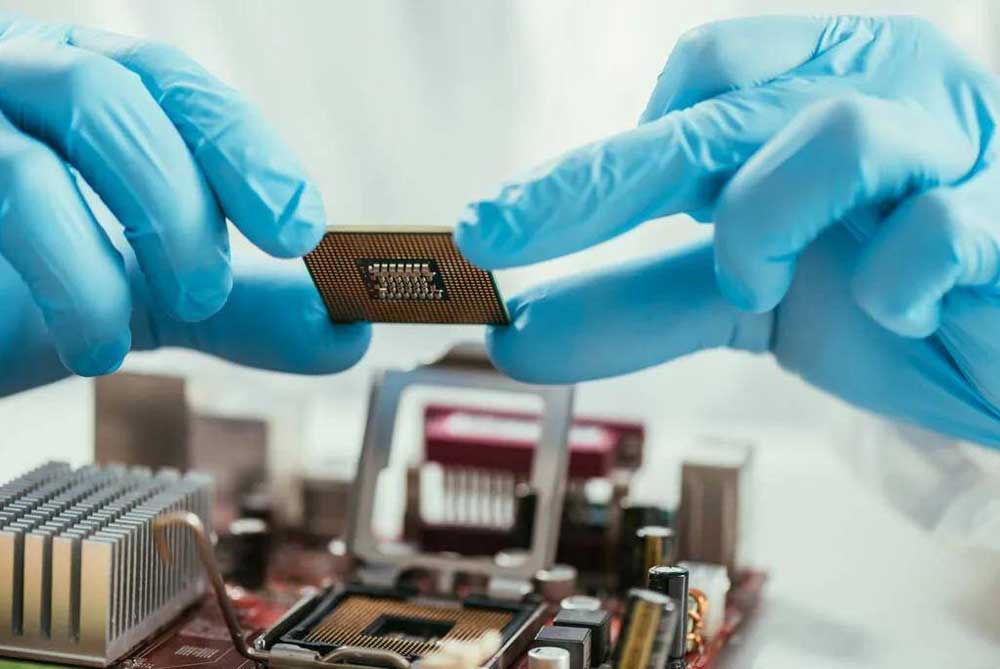
During the actual tattooing process, tactile sensitivity is paramount. An artist needs to feel the vibration of the machine and the tension of the client's skin. Vinyl gloves formulated for professional use offer a unique "loose fit" compared to the constrictive nature of nitrile. This allows for better airflow, reducing hand sweat over a 6-hour session, while still providing the necessary grip to hold a vibrating rotary or coil machine firmly. Furthermore, vinyl effectively repels tattoo ink and petroleum jelly, preventing the artist's hands from becoming a slippery hazard.
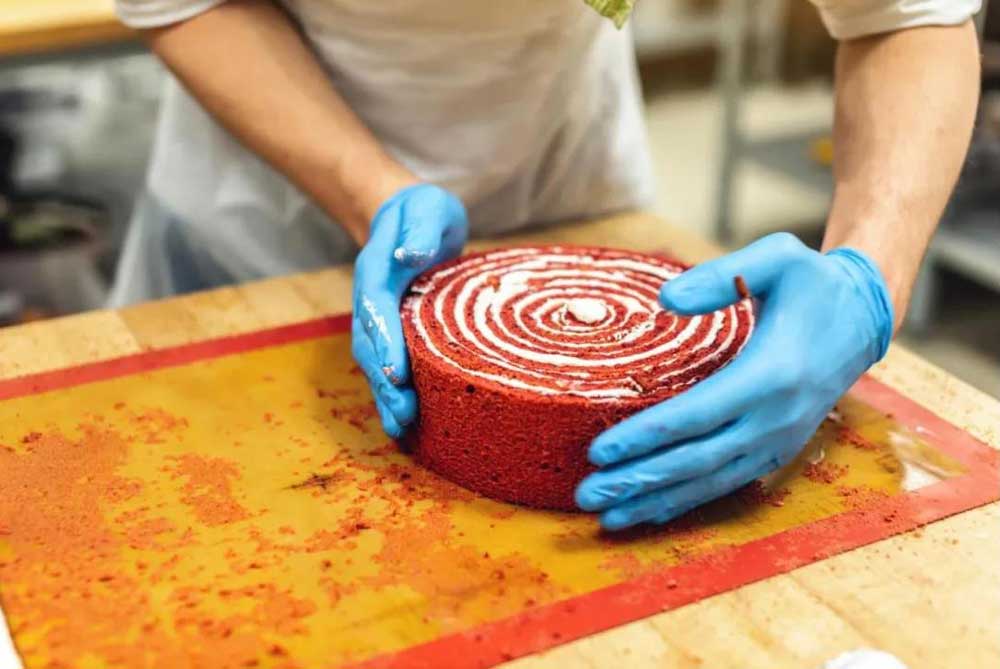
Body piercing requires absolute precision. A piercer must handle tiny, internally threaded titanium jewelry, clamps, and receiving tubes while managing bodily fluids. Vinyl gloves provide a reliable, impermeable barrier against blood and plasma. Because body piercing is generally a faster procedure than tattooing, the ease of donning and doffing vinyl gloves makes them highly efficient for high-volume piercing studios where practitioners must change gloves multiple times per client (e.g., from setup, to marking, to the actual piercing, to cleanup).
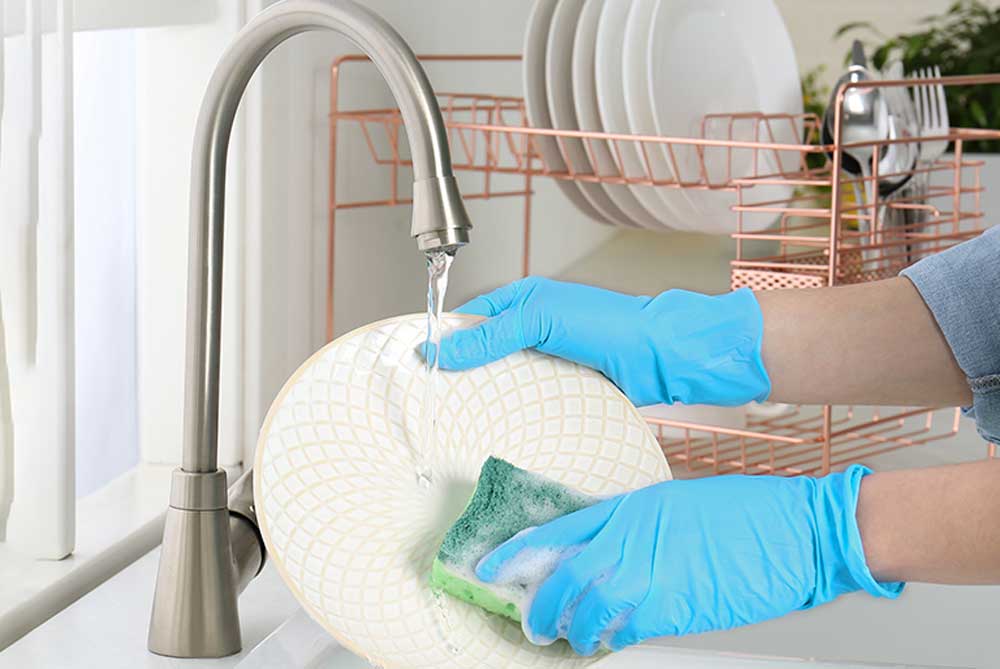
The procedure isn't over when the needle stops. Applying second-skin bandages, washing the fresh tattoo with green soap, and safely disposing of biohazard waste (sharps and blood-soaked paper towels) requires a final, critical layer of protection. Vinyl gloves act as the final defense line, ensuring that the artist can safely break down their station, remove contaminated barriers, and sanitize the area for the next appointment without ever exposing their bare skin to potential pathogens.
The intersection of traditional manufacturing and modern technology is reshaping the future of protective gear. As the body art industry demands higher quality standards, manufacturers are integrating Artificial Intelligence (AI) and advanced robotics into the production lines of vinyl gloves.
AI-Driven Quality Assurance: In state-of-the-art facilities, AI-powered optical sensors scan thousands of gloves per minute on the dipping lines. These systems use machine learning algorithms to detect microscopic pinholes, inconsistent polymer thickness, or structural weaknesses that human eyes would miss. For a tattoo artist, a microscopic pinhole can mean exposure to Hepatitis or HIV. AI ensures that the Acceptable Quality Level (AQL) of medical-grade vinyl gloves consistently exceeds international safety standards, providing absolute peace of mind in the studio.
Advanced Polymer Blends: The future of vinyl lies in hybrid technologies. Researchers are developing advanced PVC blends incorporating synthetic elastomers. This creates a "synthetic vinyl" that mimics the high tensile strength and stretchability of nitrile while maintaining the cost-efficiency and allergy-free profile of traditional vinyl. These next-generation gloves are specifically tailored to provide the ultimate grip required for handling intricate tattoo machines and slippery piercing forceps.
Sustainability Initiatives: The tattoo industry generates a massive amount of single-use plastic waste. A major developmental trend is the push towards eco-friendly manufacturing processes. Modern factories are optimizing their energy consumption, recycling water used in the leaching process, and researching biodegradable additives for PVC that will allow vinyl gloves to break down faster in landfill conditions without compromising their shelf-life or protective qualities during use.
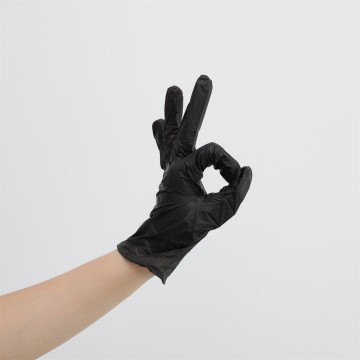
Ensuring the highest level of safety for professional artists worldwide.

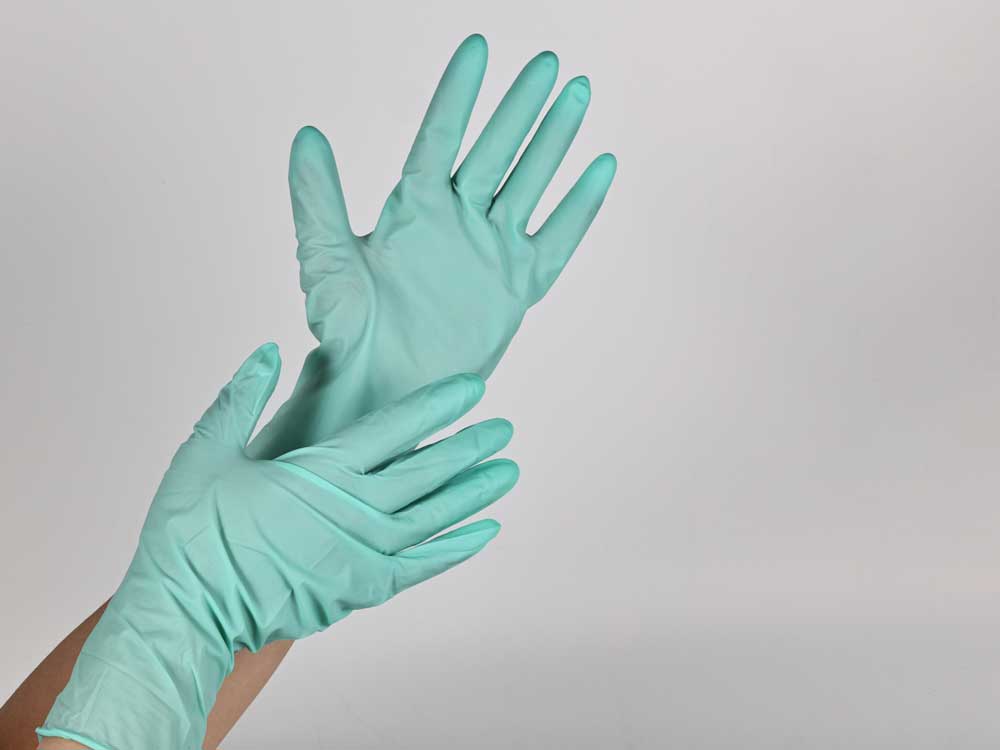
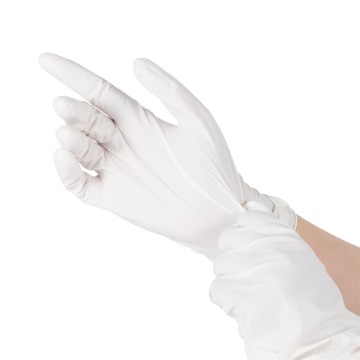
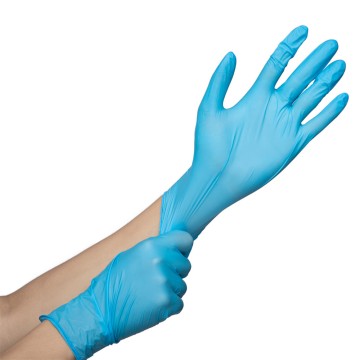
Understanding the critical steps in donning protective gloves to maintain a sterile field and prevent cross-contamination.
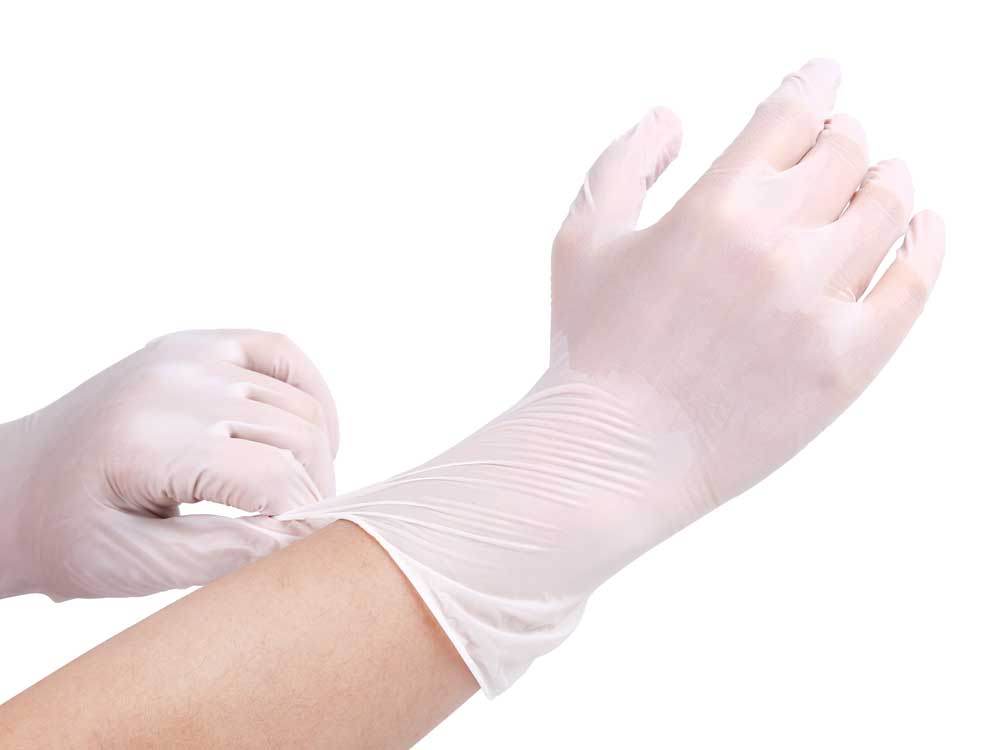
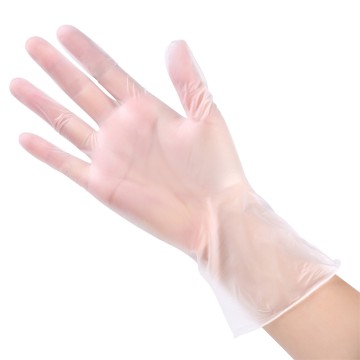
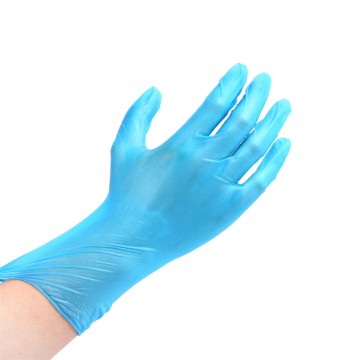
How high-quality PVC (Vinyl) gloves act as the primary risk mitigation tool against surface and fluid contamination.
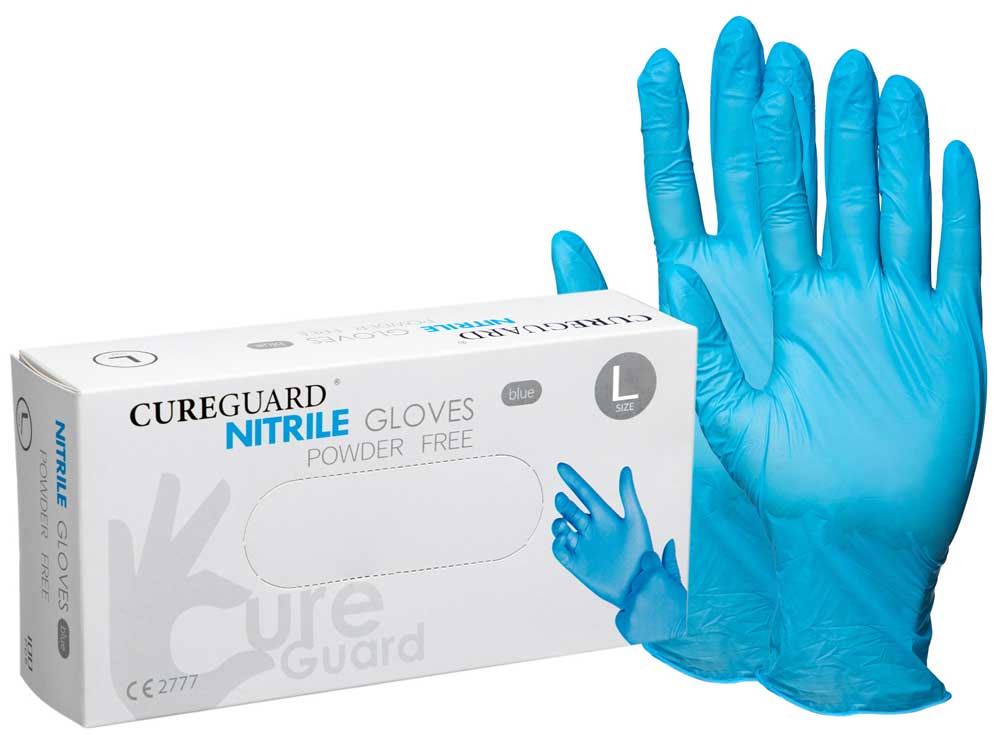
Exploring the growing awareness of safety protection and the evolving demand for specialized protective equipment.