
Leave Your Message
-
Contact Phone
-
 Contact Email
Engineered for Ultimate Protection, Precision Grip, and Chemical Resistance in the Toughest Environments
Discover our top-tier protective solutions specifically re-engineered for the rigorous demands of industrial maintenance, heavy machinery handling, and professional auto repair.
In the highly demanding sectors of industrial maintenance, mechanical engineering, and automotive repair, standard personal protective equipment (PPE) often falls short. The environment is fraught with hidden hazards: sharp metal edges, abrasive surfaces, high-torque tools, and a myriad of harsh chemicals including motor oils, hydraulic fluids, brake cleaners, and industrial solvents. This is where Thick Nitrile Gloves For Industrial Maintenance And Mechanics transition from being a mere accessory to a critical necessity.
Unlike standard medical-grade gloves which typically range from 3 to 4 mils in thickness, industrial-grade thick nitrile gloves are engineered at 6 to 8 mils—and sometimes up to 10 mils. This enhanced thickness provides a formidable barrier that significantly increases tensile strength and puncture resistance. When a mechanic is reaching deep into an engine bay or an industrial technician is servicing heavy manufacturing equipment, the risk of snags and tears is omnipresent. Thick nitrile polymers absorb the mechanical stress that would easily rupture latex or vinyl, ensuring continuous protection without sacrificing tactile sensitivity.
Moreover, the chemical resistance profile of pure synthetic nitrile rubber (NBR) is vastly superior. It prevents the transdermal absorption of carcinogenic compounds found in many industrial lubricants and degreasers. Prolonged exposure to these chemicals without adequate barrier protection can lead to severe dermatitis, chemical burns, or long-term systemic health issues. By standardizing the use of thick nitrile gloves, facility managers and safety officers can drastically reduce workplace injury rates and occupational health claims.
Engineered with high-density polymer cross-linking, offering up to 3 times the puncture resistance of standard latex gloves, crucial for handling sharp machine parts.
Provides exceptional resistance against petroleum-based products, brake fluids, acetone, and harsh industrial degreasers, keeping skin safe from toxic exposure.
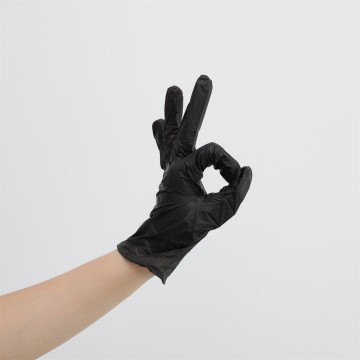
Featuring micro-roughened textures or raised diamond grips that channel away oils and liquids, ensuring mechanics maintain a secure hold on slippery tools.
The global market for industrial safety gloves has experienced a paradigm shift over the last decade. Historically, heavy leather or thick rubber gloves were the standard for mechanics and industrial workers. However, the modern industrial landscape demands a hybrid solution: the robust protection of heavy-duty materials combined with the dexterity required for operating complex, computerized machinery and performing precision diagnostics. This demand has catapulted thick nitrile gloves to the forefront of the industrial PPE market.
Driven by Stringent Safety Regulations: Regulatory bodies such as OSHA (Occupational Safety and Health Administration) in the US, and equivalent organizations in Europe (under EN 388 and EN 374 standards), have implemented stricter guidelines regarding worker exposure to hazardous chemicals and mechanical risks. Compliance is no longer optional; it is a core operational metric for industrial enterprises. Companies are actively migrating towards high-mil nitrile gloves to ensure compliance, avoid hefty fines, and lower their insurance premiums.
Supply Chain Resilience and Enterprise Procurement: The post-2020 era highlighted the vulnerabilities in global PPE supply chains. Today, industrial procurement managers prioritize manufacturers who control their own production lines and offer scalable capacities. Bulk purchasing of thick nitrile gloves has become a strategic inventory move for large-scale automotive assembly plants, aviation maintenance hubs, and maritime repair docks. The commercial preference is heavily skewed towards disposable yet highly durable nitrile options because they eliminate the cross-contamination risks and laundering costs associated with reusable fabric or leather gloves.
Established in 2006 and headquartered in Jiangsu Province, China, Cureguard Glove Group is specialized in glove manufacturing for over 20 years.
We own over 60 production lines dedicated to disposable vinyl and nitrile gloves, and reusable vinyl gloves with an annual output exceeding 10 billion pieces. We supply various kinds of gloves to customers in more than 100 countries and regions worldwide.
We roll out different series of products to address various routine scenario needs, such as medical examination, food contact, electronic industry, household use, and heavy-duty industrial maintenance.
 2006
Founded in
2006
Founded in
 5
Factories
5
Factories
 60
Production Lines
60
Production Lines
 10B+
Annual Capacity
10B+
Annual Capacity

The production of Thick Nitrile Gloves For Industrial Maintenance And Mechanics is no longer a simple dipping process; it has evolved into a highly sophisticated, technology-driven manufacturing discipline. The integration of Artificial Intelligence (AI) and advanced polymer science has revolutionized how these critical safety items are produced, ensuring unprecedented consistency and performance.
AI-Driven Quality Control: In modern smart factories, AI and machine learning algorithms are deployed across the production line. High-speed optical sensors and computer vision systems inspect every single glove in real-time. These AI systems can detect micro-pinholes, inconsistent thickness, or polymer weak points that are invisible to the human eye. If a batch deviates even slightly from the strict 6-mil or 8-mil tolerance required for industrial gloves, the AI system automatically adjusts the chemical formulation and dipping speeds, ensuring a zero-defect output. This technological leap guarantees that when a mechanic puts on a glove, it will not fail under pressure.
Advanced Polymer Formulations: Traditional nitrile could sometimes be stiff, causing hand fatigue during long shifts. Today's advanced synthetic butadiene-acrylonitrile copolymers are engineered at the molecular level to provide "low modulus" characteristics. This means the glove reacts to the user's body heat, conforming perfectly to the shape of the hand. It delivers the robust chemical and puncture resistance of a thick glove, but stretches and moves with the flexibility of a second skin. Furthermore, proprietary interior coatings, such as sweat-wicking polymers or aloe-vera infusions, are being integrated to manage moisture, allowing mechanics to wear them comfortably for hours in hot, non-air-conditioned garages or factories.
Surface Engineering for Maximum Grip: The surface of an industrial nitrile glove is a marvel of micro-engineering. Using advanced molding techniques, manufacturers create aggressive raised diamond textures or micro-roughened palms and fingers. These textures act like the treads on a tire, channeling away motor oil, grease, and hydraulic fluid to provide a relentless grip on ratchets, wrenches, and delicate electronic sensors. This not only improves efficiency but significantly reduces the risk of tools slipping and causing injury or damaging expensive machinery.
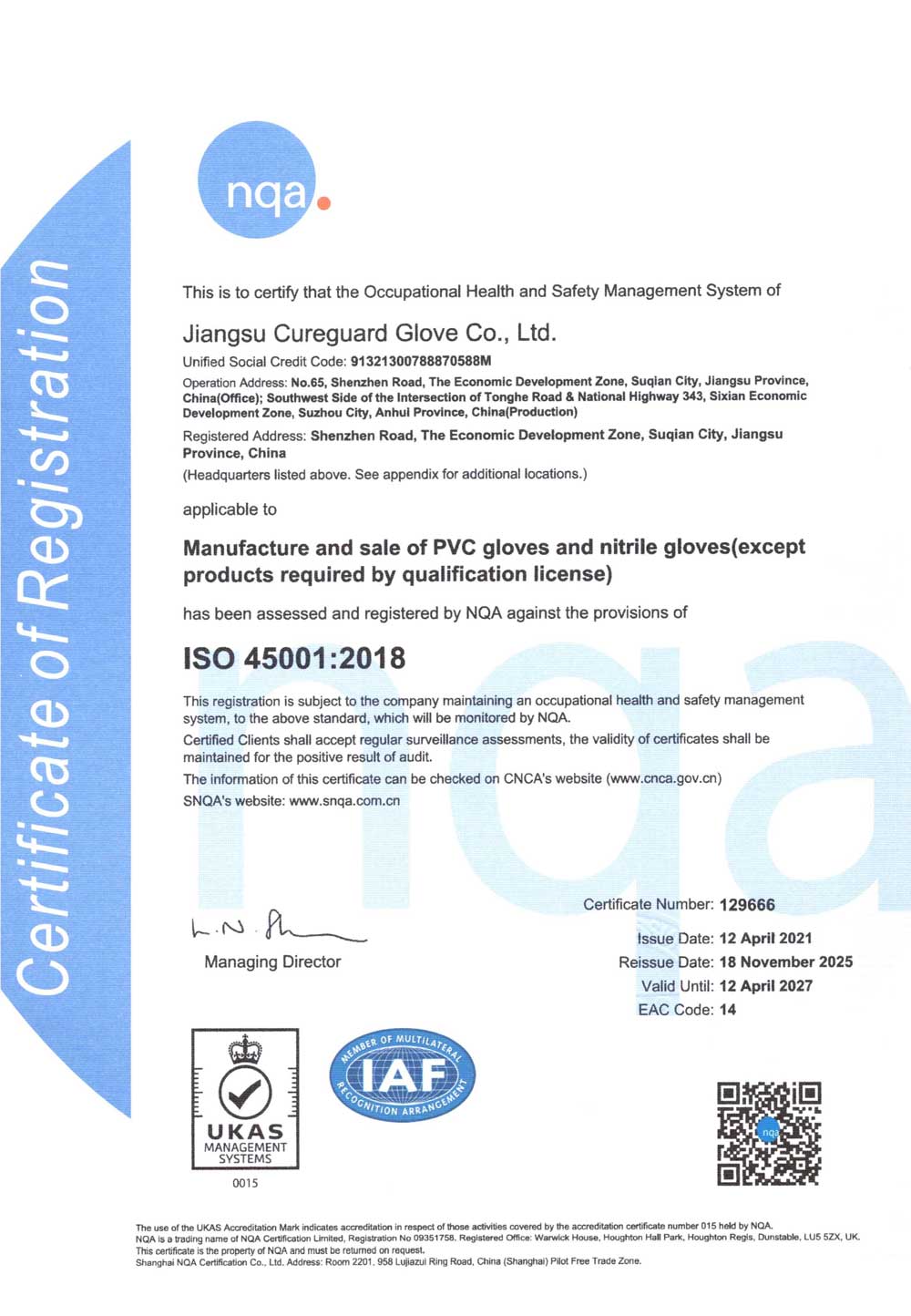
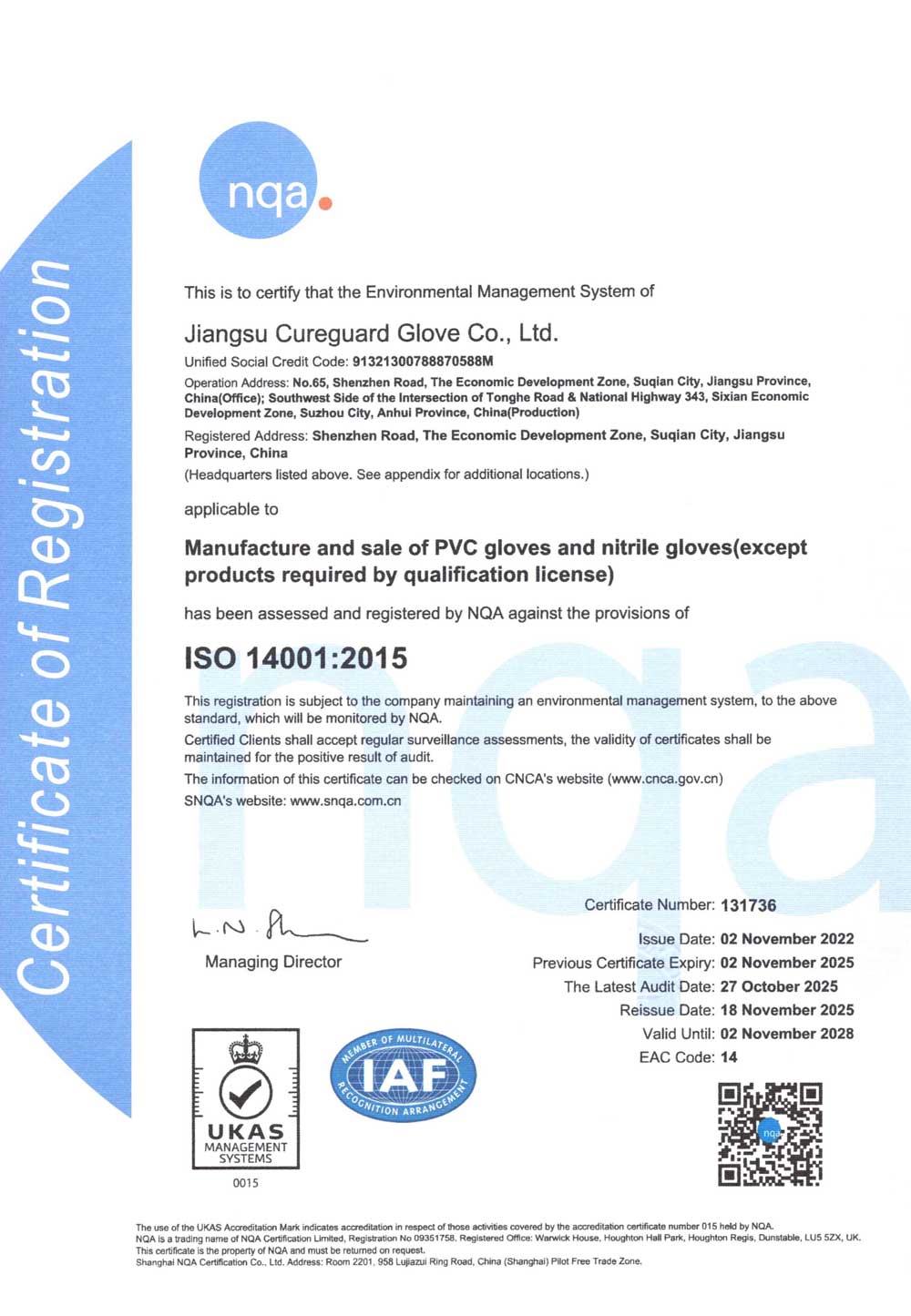
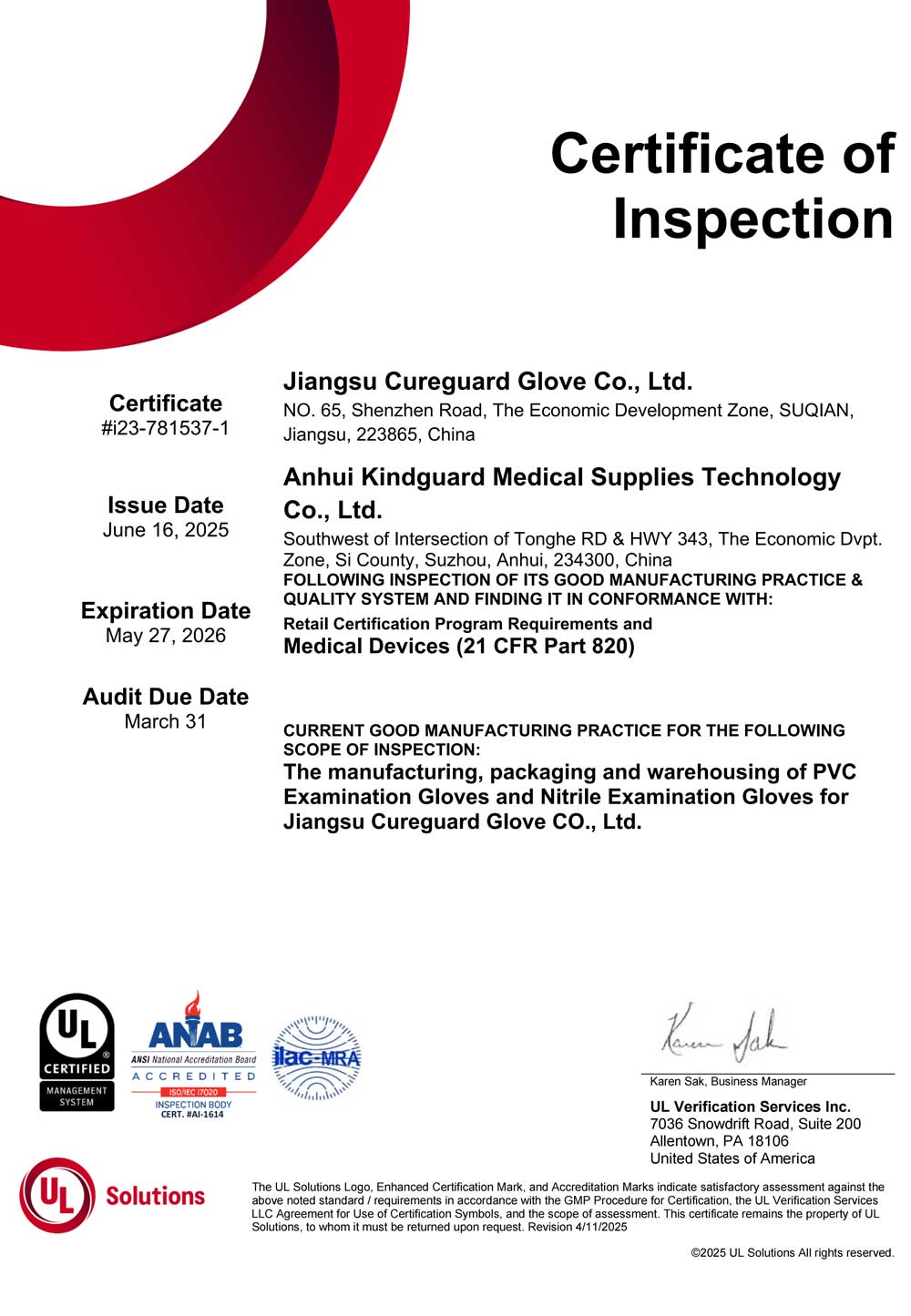
Our commitment to safety and quality is backed by internationally recognized certifications.
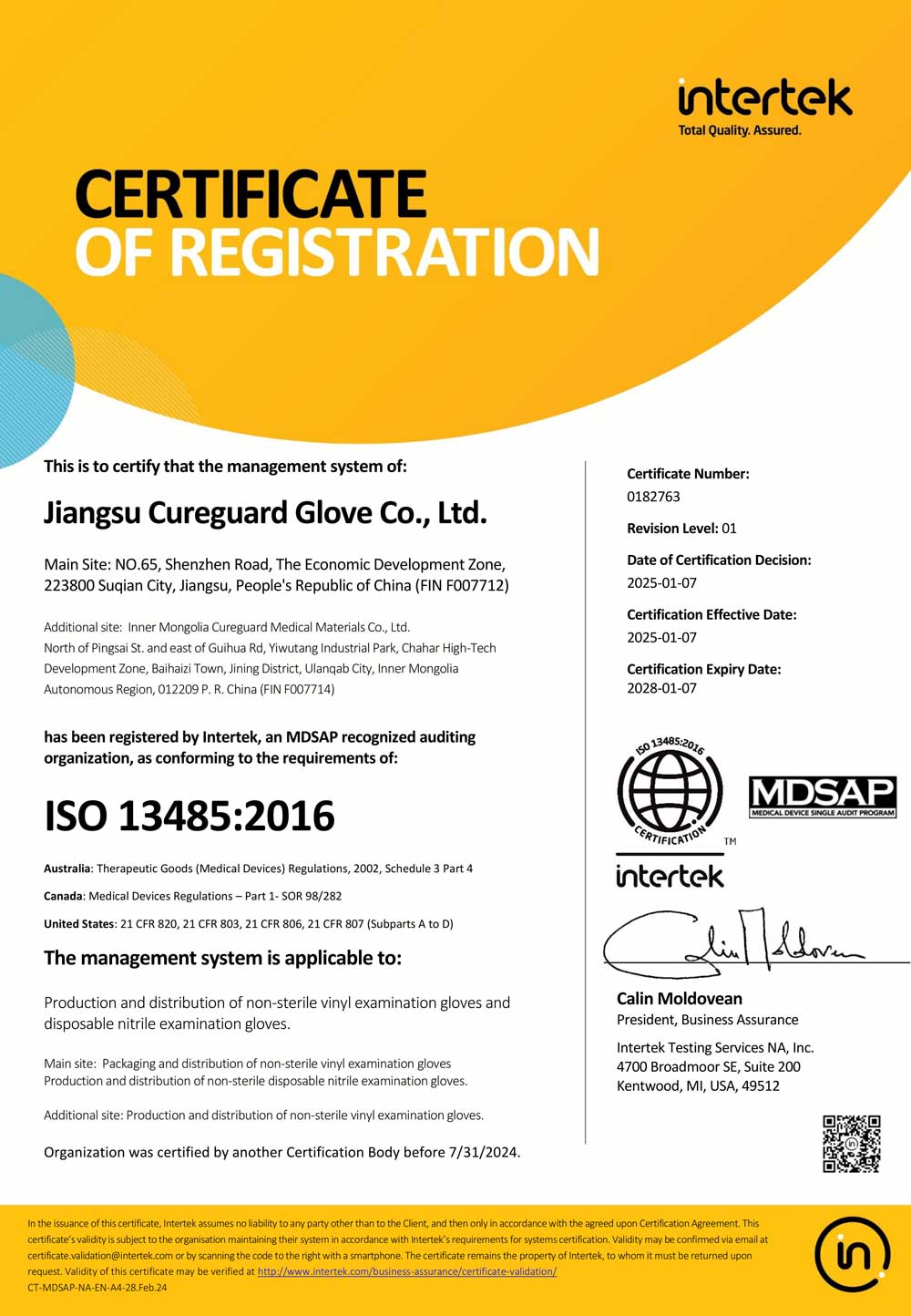
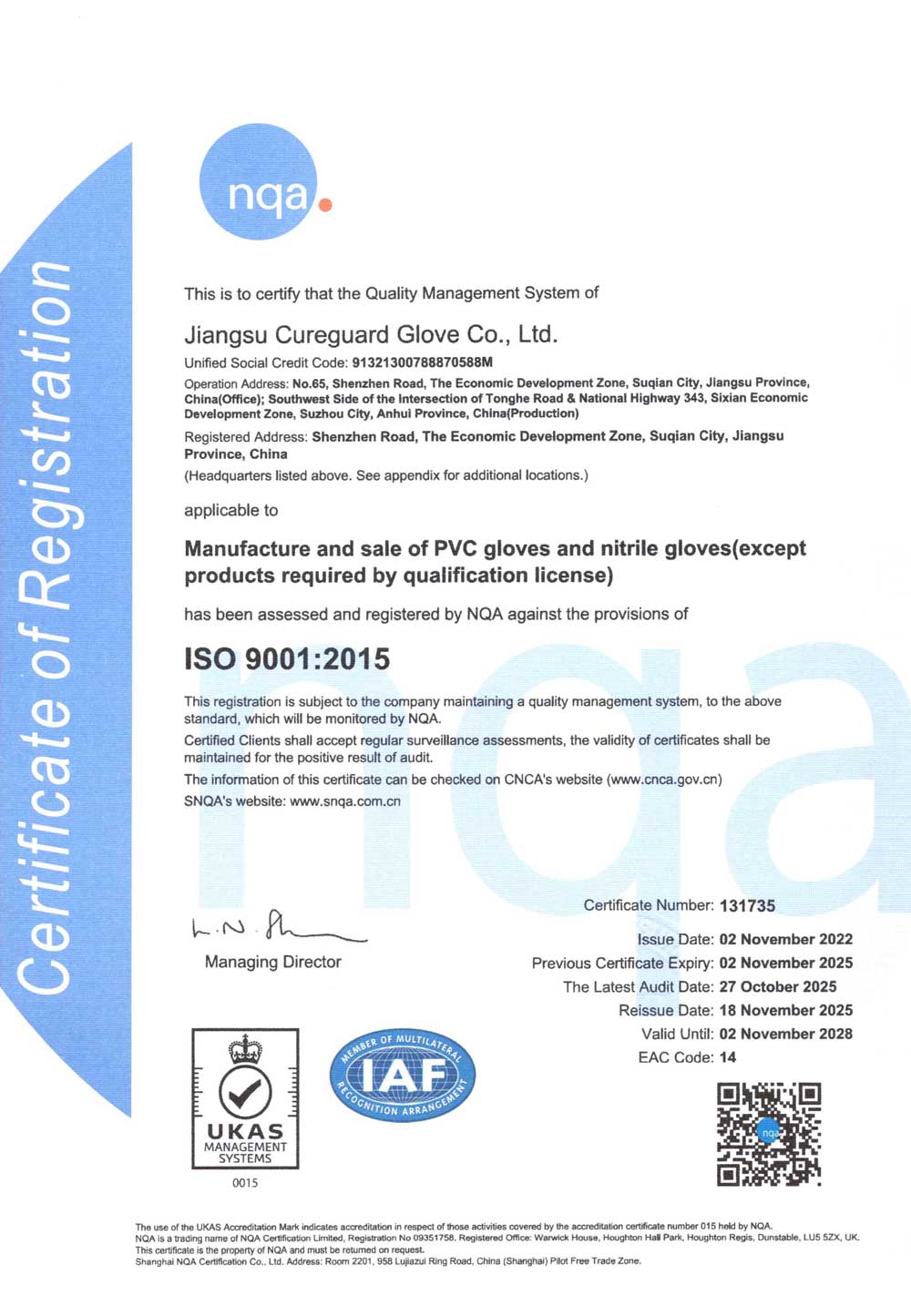
As industries march toward Industry 4.0, the PPE protecting the workforce is also undergoing a massive transformation. The future of Thick Nitrile Gloves For Industrial Maintenance And Mechanics lies at the intersection of extreme protection, smart technology, and environmental sustainability.
Eco-Friendly and Biodegradable Nitrile: One of the most significant challenges with disposable PPE is environmental impact. The industry is currently experiencing a breakthrough with the development of biodegradable nitrile technology. These innovative gloves maintain the exact same shelf life, chemical resistance, and tensile strength as traditional thick nitrile during active use. However, once disposed of in an active landfill environment, special organic additives attract microbes that break down the polymer chain, degrading the glove in a matter of years rather than centuries. This allows large automotive and industrial facilities to meet their ESG (Environmental, Social, and Governance) goals without compromising worker safety.
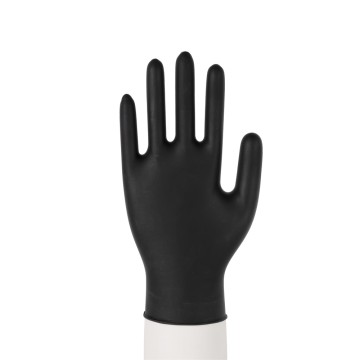
High-Visibility and Color-Coded Safety Systems: In complex industrial environments, visual safety is paramount. We are seeing a trend towards high-visibility colors—such as neon orange or bright green—for thick nitrile gloves. This serves multiple purposes: it allows safety managers to easily verify compliance from a distance, ensures hand visibility in dark engine bays or confined spaces, and facilitates color-coding protocols (e.g., orange for chemical handling, black for heavy mechanical repair) to prevent cross-contamination across different factory zones.
Smart Diagnostics Integration: Looking slightly further ahead, the integration of conductive polymers into the fingertips of heavy-duty nitrile gloves is becoming standard. Mechanics today rely heavily on tablets, touch-screen diagnostic tools, and digital schematics. Removing a glove to interact with a screen breaks workflow and exposes hands to hazards. Touch-screen compatible thick nitrile gloves are bridging this gap, allowing seamless interaction with digital interfaces while maintaining an impenetrable barrier against industrial grime.
Beyond heavy industrial use, our high-quality glove manufacturing supports a wide spectrum of critical industries.

Providing sterile, puncture-resistant barriers for clinical and surgical environments to prevent cross-infection.
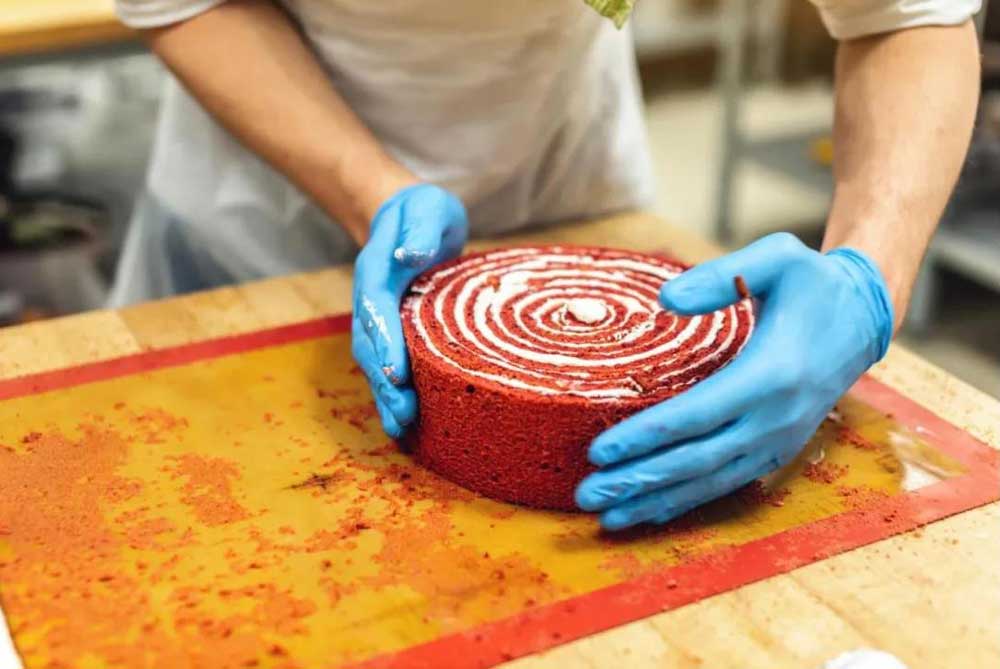
Food-grade safe materials ensuring zero contamination during ingredient handling and packaging.
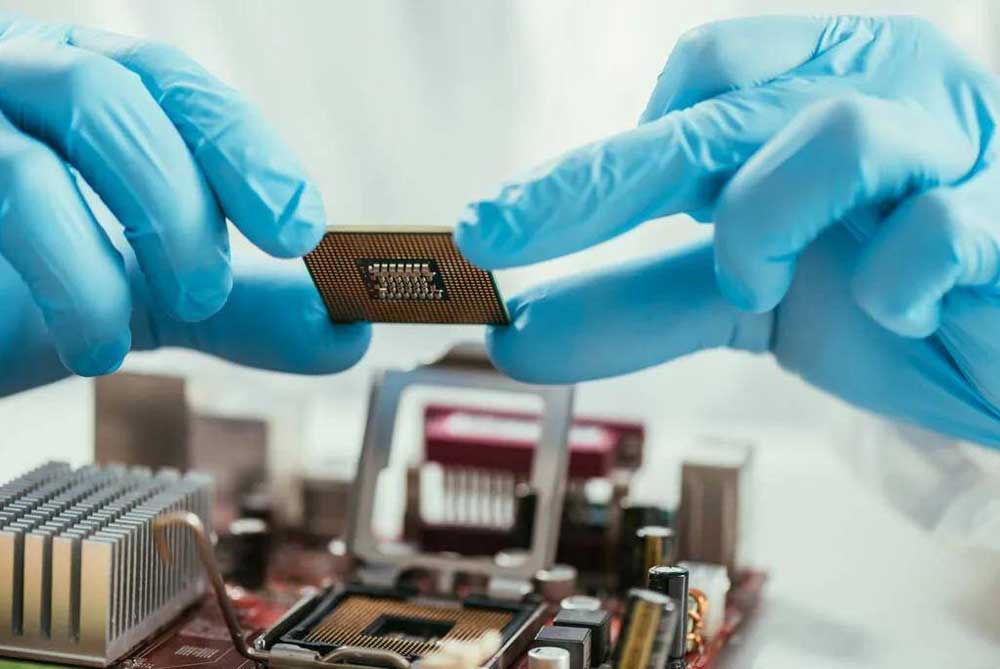
Anti-static and chemical resistant solutions for precise electronic assembly and heavy machinery.

Durable protection for daily scenarios, cleaning, and sanitizing, serving as the first line of defense for health.
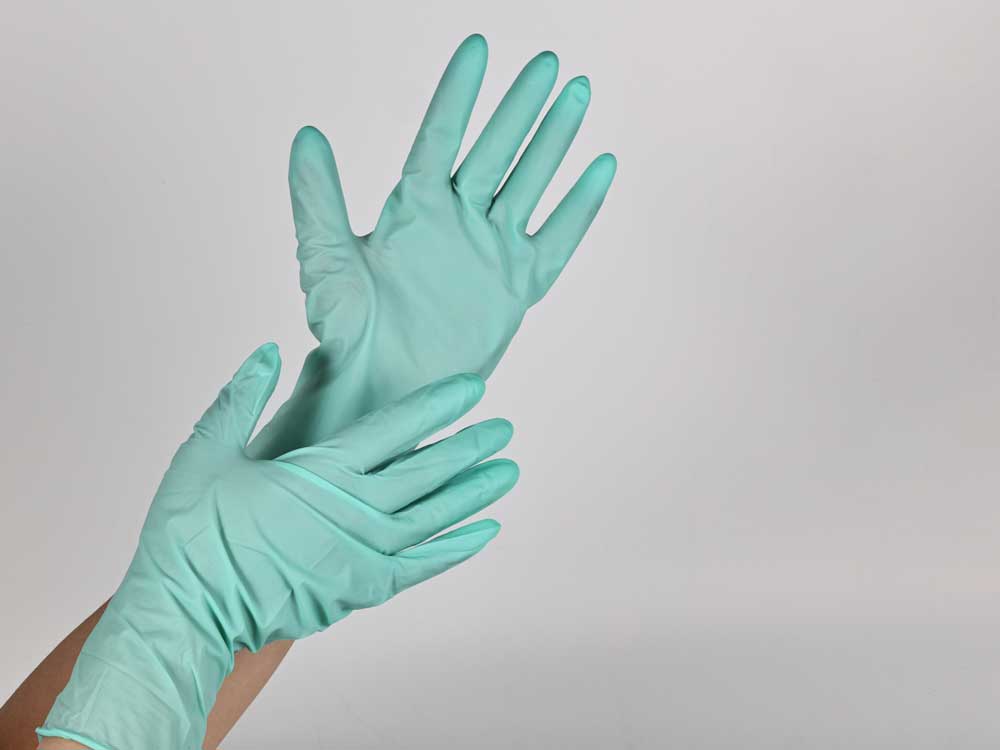
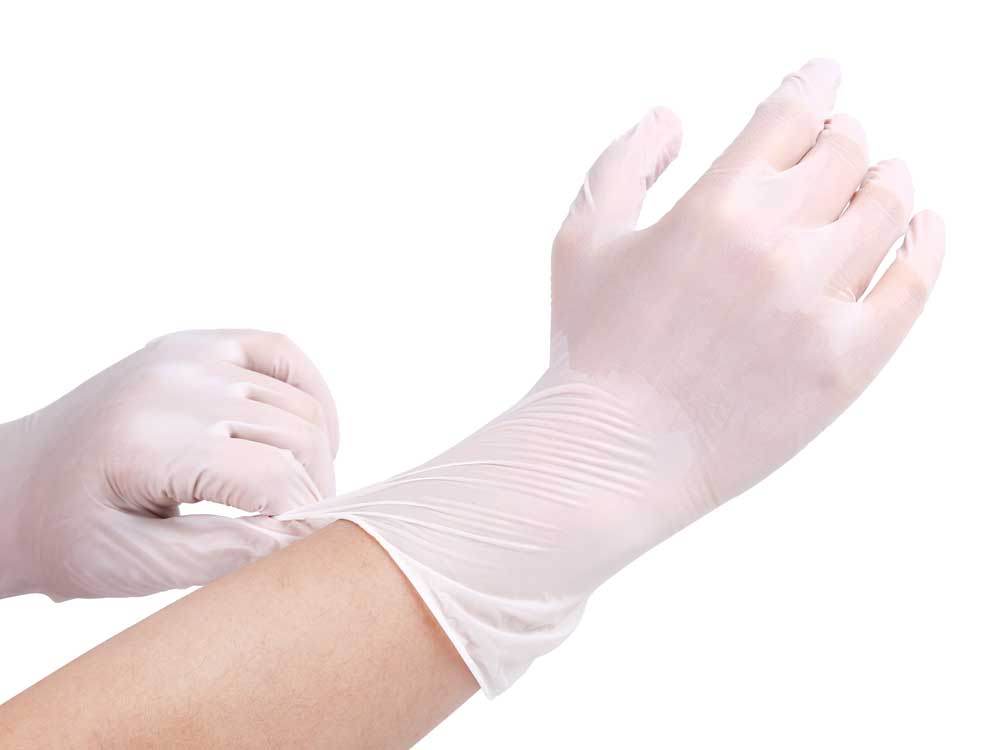
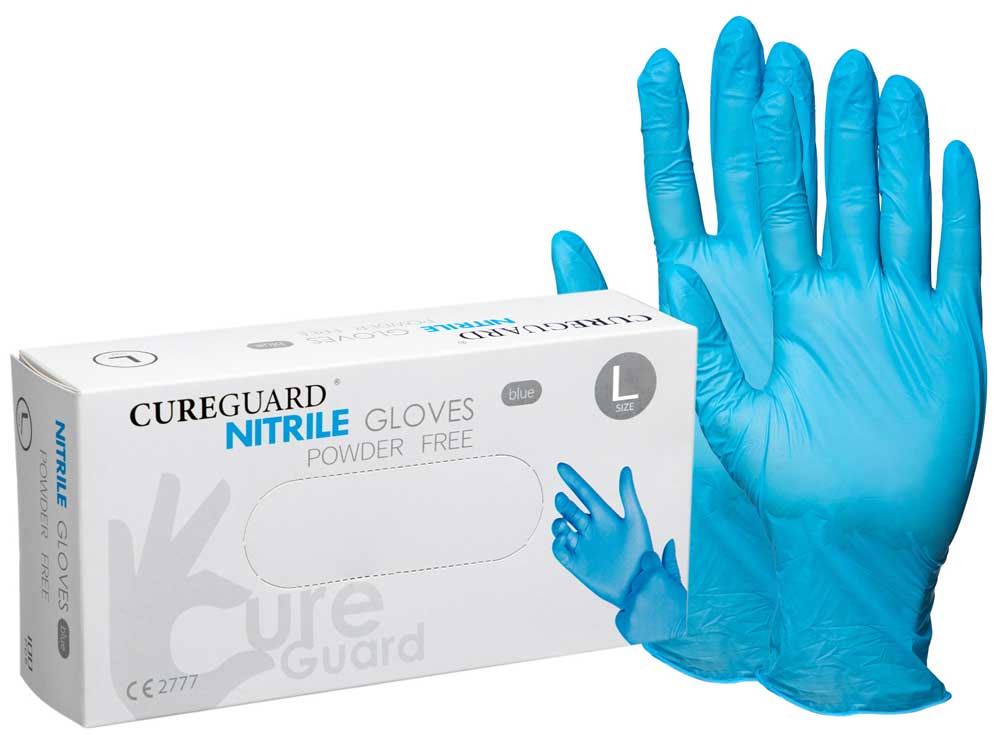
Explore our full range of disposable and reusable protective gloves designed for specialized industrial, medical, and commercial applications.