
Leave Your Message
-
Contact Phone
-
 Contact Email
Advanced Barrier Protection, Tactile Precision, and Uncompromised Hygiene for Body Modification Artists Worldwide.
Discover our top-rated, best-selling PVC and Nitrile gloves engineered specifically for tattoo artists, piercers, and studio sterilization protocols.
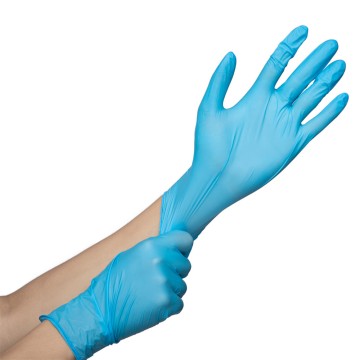
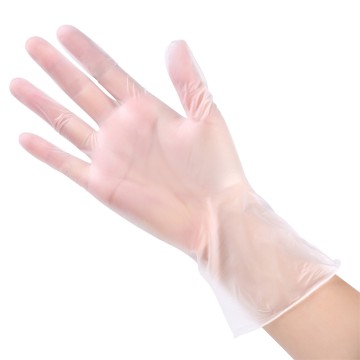
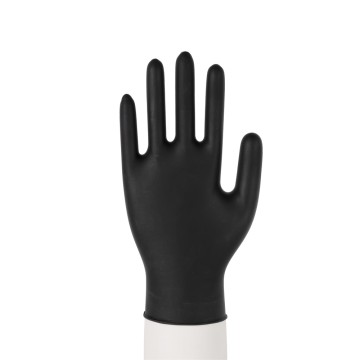
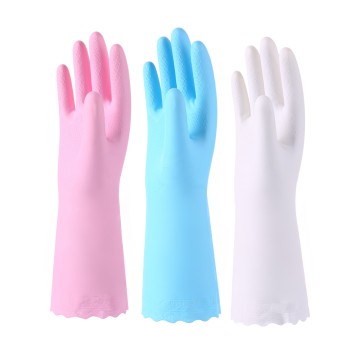
The professional tattoo and piercing industry has undergone a massive transformation over the past two decades. What was once considered an underground subculture has blossomed into a heavily regulated, multi-billion dollar global commercial enterprise. With this evolution, the demand for medical-grade hygiene and stringent cross-contamination protocols has skyrocketed. Central to this safety revolution is the ubiquitous Polyvinyl Chloride (PVC) glove, commonly known as the vinyl glove, alongside its nitrile counterparts.
In the contemporary industrial landscape, PVC gloves represent a highly cost-effective, reliable barrier protection solution for body modification artists. Unlike latex, which has been increasingly phased out of professional studios due to the rising prevalence of Type I latex allergies among both artists and clients, Polyvinyl Chloride offers a completely synthetic, latex-free alternative. This shift is not merely a preference but a commercial necessity. Studio owners face significant liabilities if a client experiences an anaphylactic reaction during a session. Consequently, global supply chains have pivoted, with advanced manufacturing facilities scaling up the production of high-tensile, powder-free PVC gloves designed specifically to meet the grueling demands of long tattoo sessions.
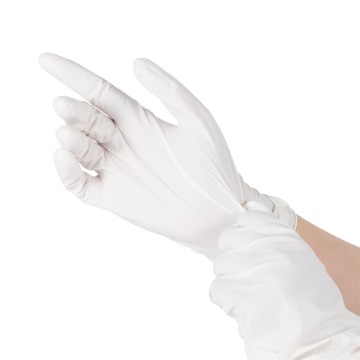
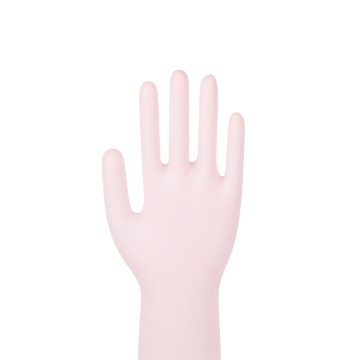
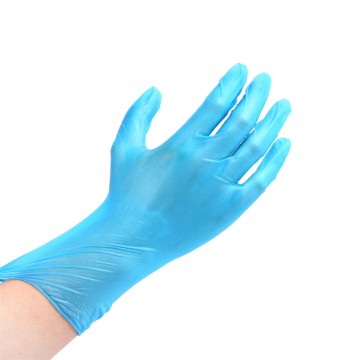
Engineered to meet strict OSHA standards, providing an impermeable shield against bloodborne pathogens and bodily fluids during piercing and tattooing.
100% Latex-free formulation eliminates the risk of Type I allergic reactions, ensuring safety for diverse client demographics in the studio.
Highly resistant to tattoo inks, petroleum-based glide ointments, and harsh medical-grade surface disinfectants used in studio cleanup.
The market trajectory for professional tattoo gloves is currently being shaped by material science innovations. Traditional PVC gloves were sometimes criticized for lacking the elasticity of latex. However, modern polymer engineering has introduced advanced synthetic blends—often incorporating nitrile elements or utilizing stretch-vinyl technologies. These industrial advancements provide artists with the "second-skin" feel required for intricate micro-realism tattoos or delicate dermal anchor placements. Furthermore, the commercial status of these gloves is heavily influenced by bulk procurement strategies. Large-scale tattoo conventions and multi-artist studios require vast quantities of reliable PPE (Personal Protective Equipment), driving manufacturers to optimize production lines for high-volume, defect-free output.
Established in 2006 and headquartered in Jiangsu Province, China, Cureguard Glove Group has specialized in advanced glove manufacturing for over 20 years. We understand that in the tattoo and piercing industry, a glove is more than an accessory—it is a critical instrument of safety.
We own over 60 intelligent production lines dedicated to disposable vinyl and nitrile gloves, alongside reusable vinyl variants, with an annual output exceeding 10 billion pieces. Supplying over 100 countries, our continuous R&D ensures our products address the routine, yet rigorous, scenario needs of medical examination, studio hygiene, and equipment sterilization.
Learn More About Us



The utility of Polyvinyl Chloride and Nitrile gloves in a professional tattoo and piercing studio extends far beyond simply putting them on before a procedure. The lifecycle of glove usage in this environment is complex and multifaceted, requiring different specifications for different tasks.
Before the needle ever touches the skin, the artist must prepare the canvas. This involves shaving the area, applying medical-grade sanitizers, and carefully placing the carbon stencil. During this phase, PVC gloves provide an excellent barrier. They offer sufficient tactile sensitivity to ensure the stencil is applied without air bubbles or distortion, while protecting the artist's hands from the harsh alcohol-based solutions used to prep the skin.
This is the most critical phase. When tattooing, the skin is continuously punctured, releasing blood, plasma, and excess ink. The artist's gloves must maintain absolute structural integrity. Polyvinyl Chloride gloves are highly favored because they do not break down when exposed to the petroleum jellies or specialized glides artists use to soothe the skin during the tattoo process. For piercers, tactile acuity is even more paramount. A piercer must feel the exact angle of the tissue and manipulate tiny, internally threaded titanium jewelry. High-quality, textured-fingertip gloves prevent the needle from slipping, ensuring a smooth, precise puncture.
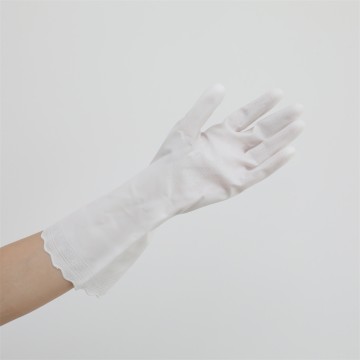
Cross-contamination protocols dictate that the studio must be broken down and sanitized after every client. This involves handling biohazard waste, wiping down armrests with hospital-grade virucidal cleaners, and scrubbing non-disposable grips before placing them in an ultrasonic cleaner and autoclave. For these heavy-duty tasks, artists often switch to thicker, reusable flocking-lined vinyl gloves. These industrial-grade PVC gloves protect the skin from chemical burns caused by concentrated disinfectants and provide thermal protection when handling freshly autoclaved equipment.
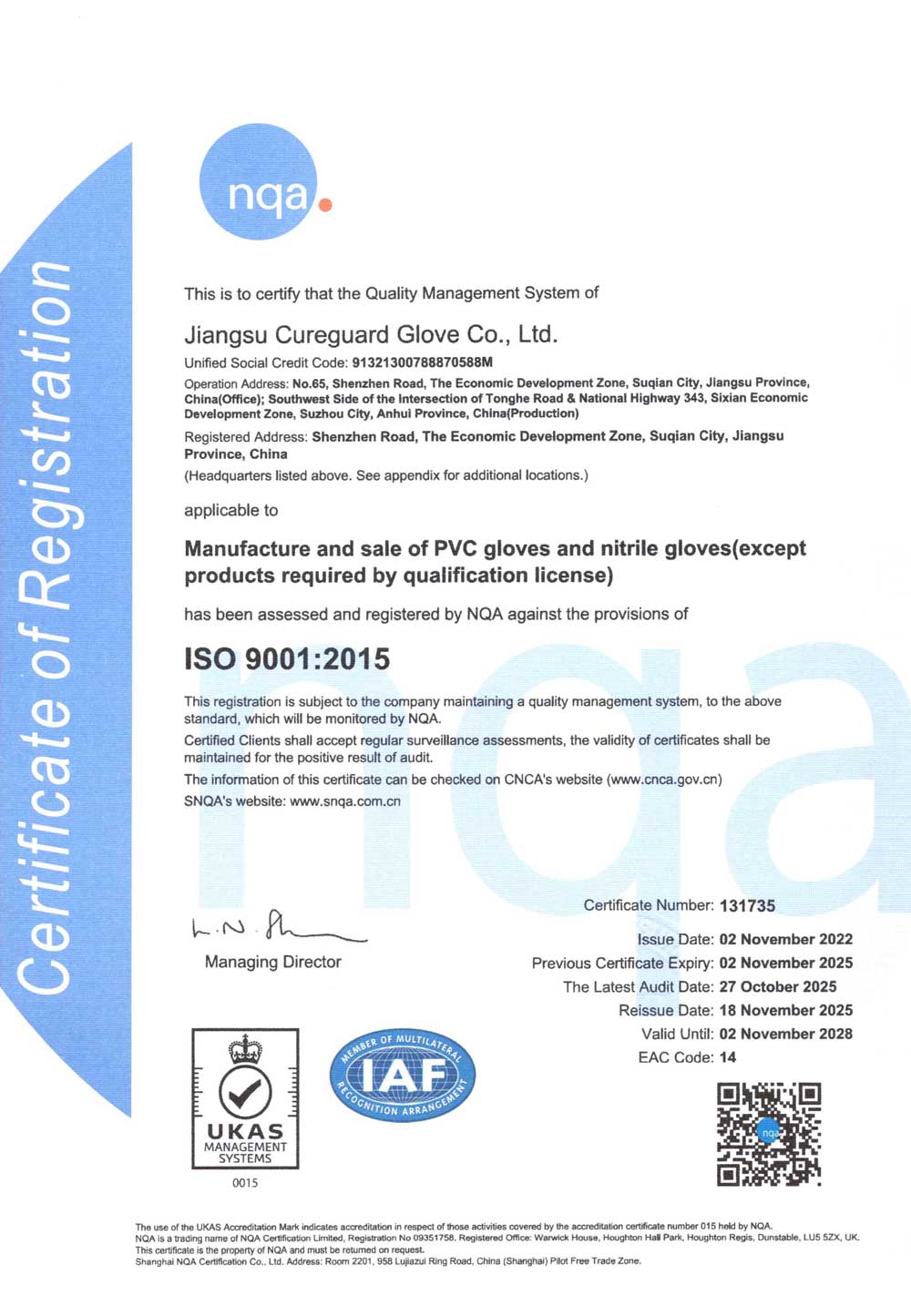
Our commitment to safety is backed by international medical and industrial certifications, ensuring our gloves meet the highest regulatory standards for professional use.
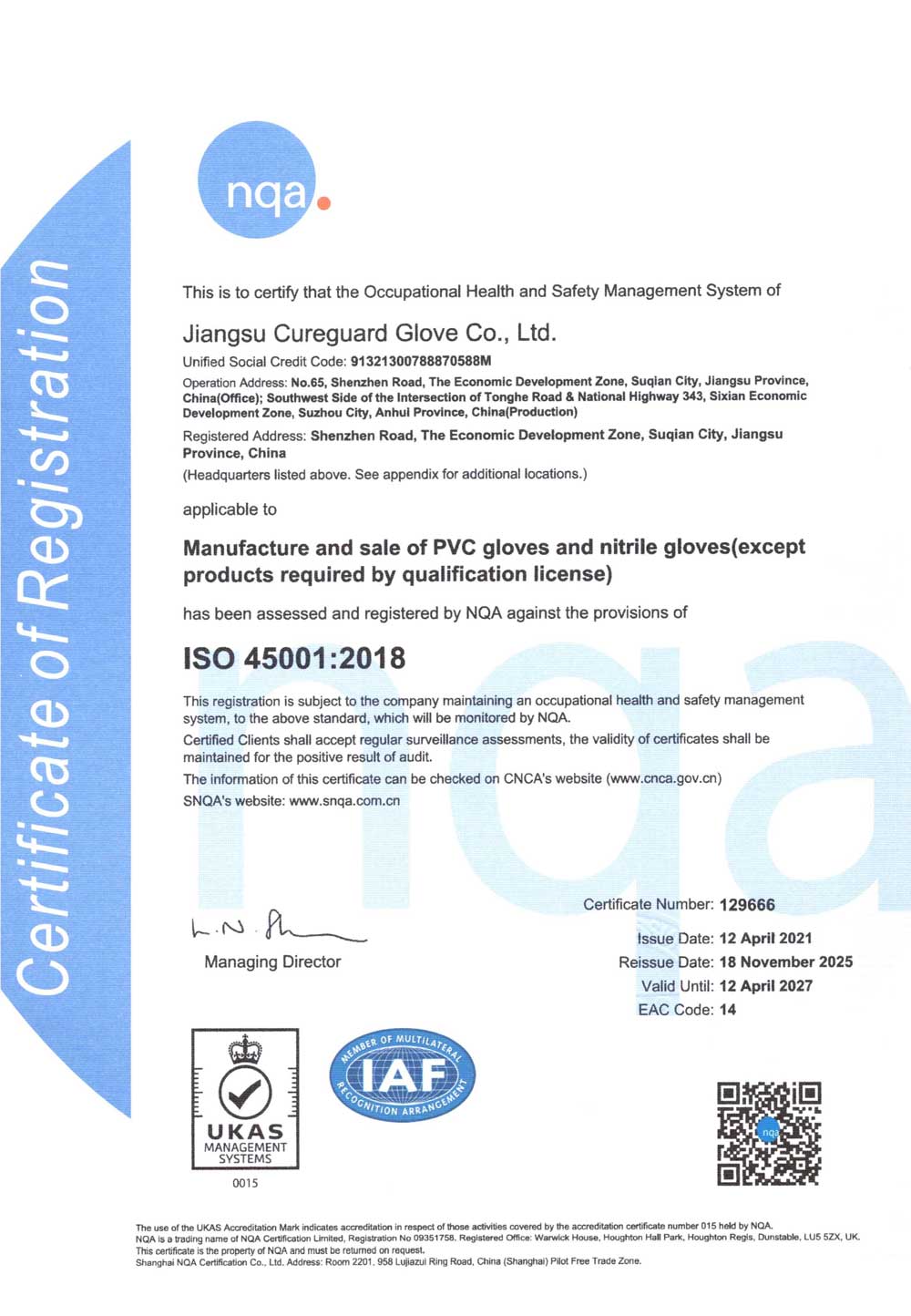
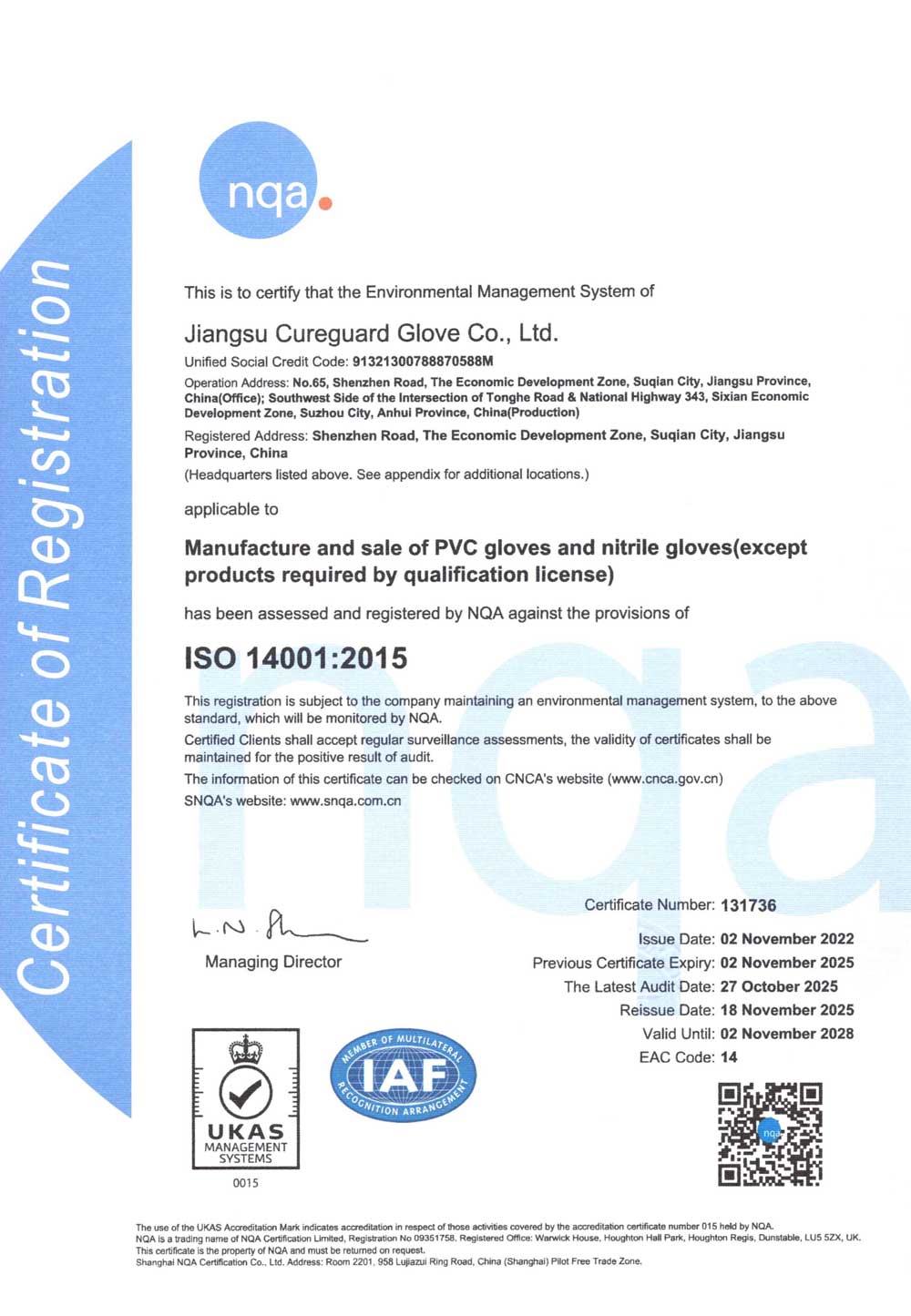
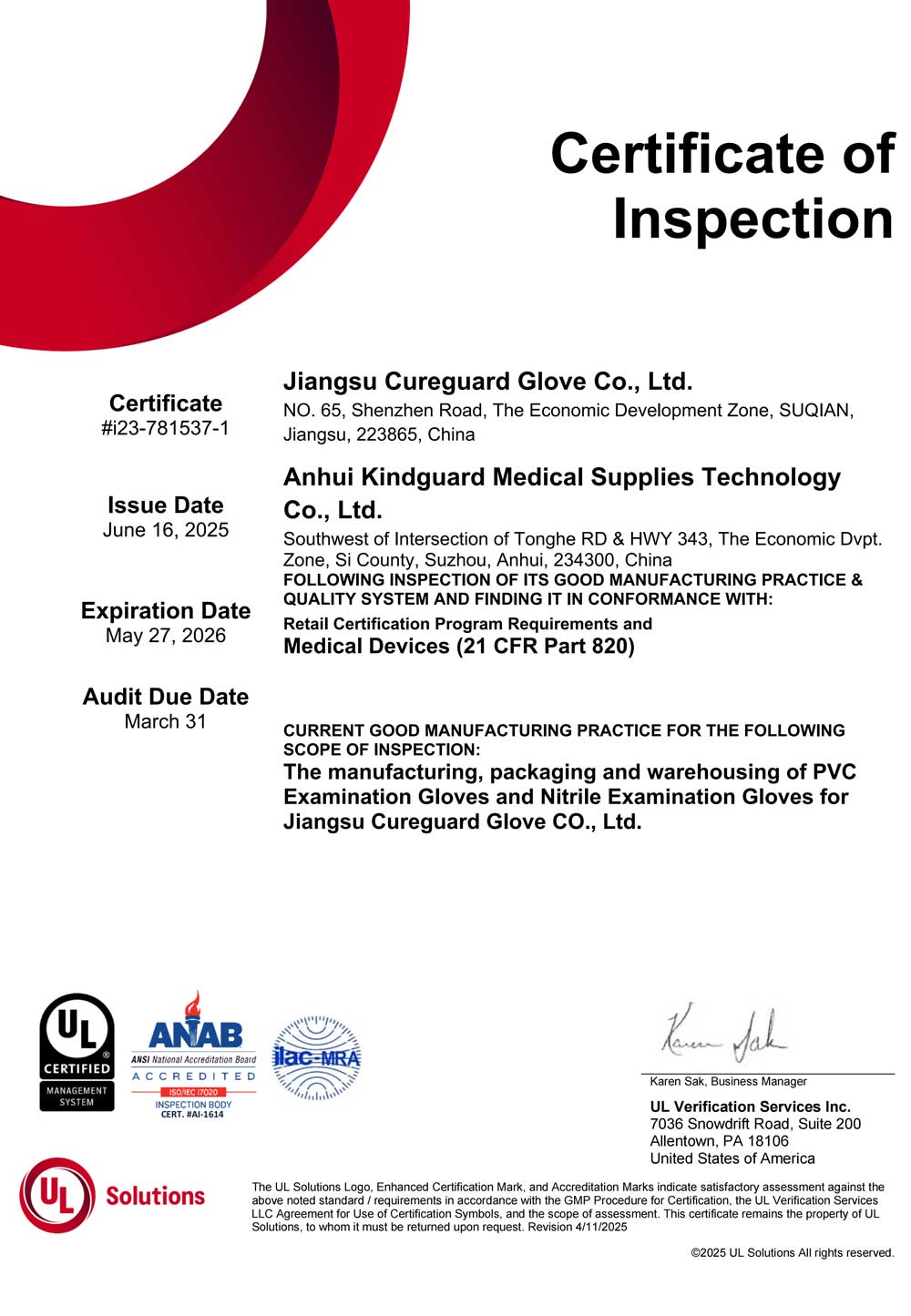
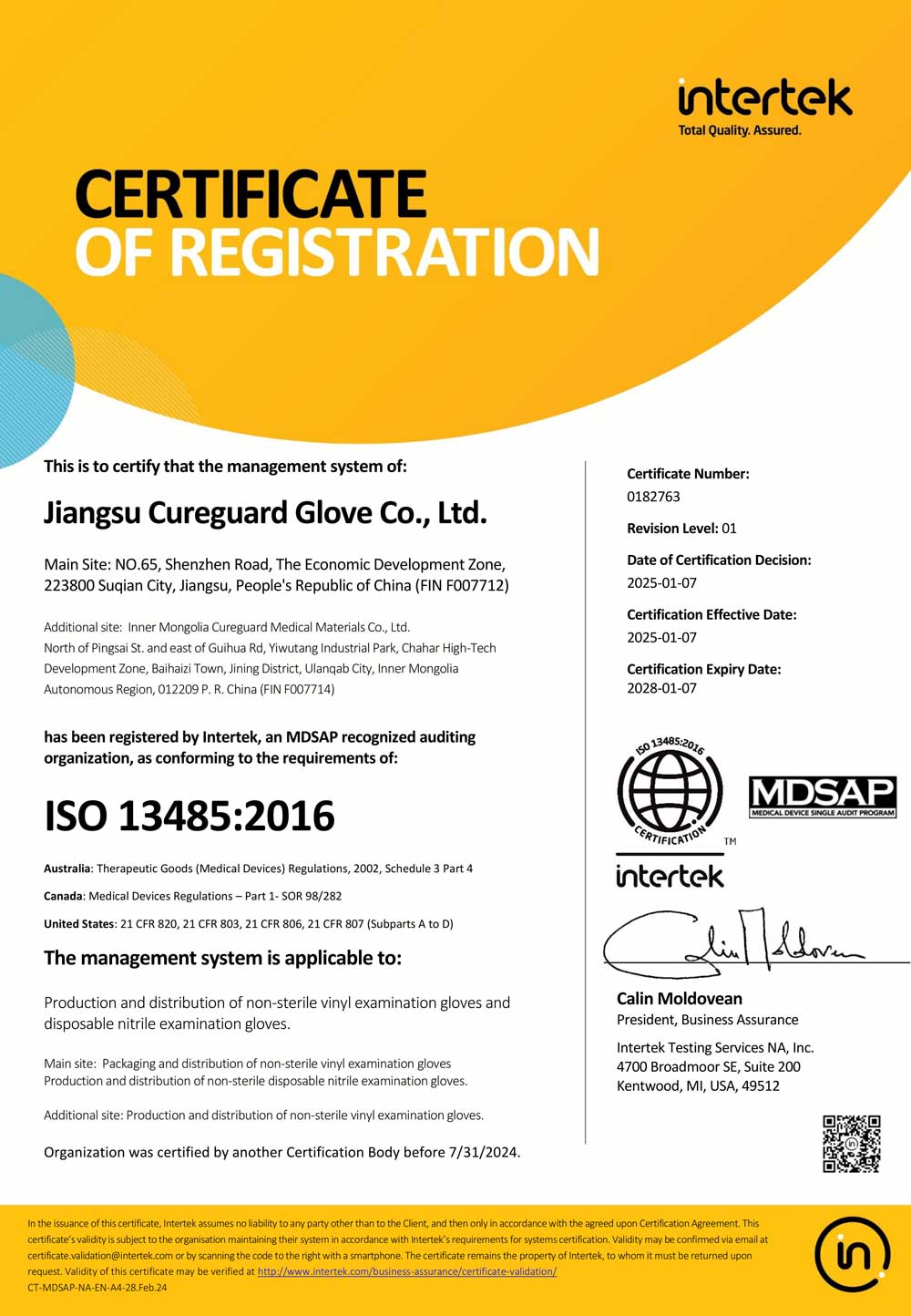
From clinical prep to post-care, our glove series covers every aspect of studio operations.
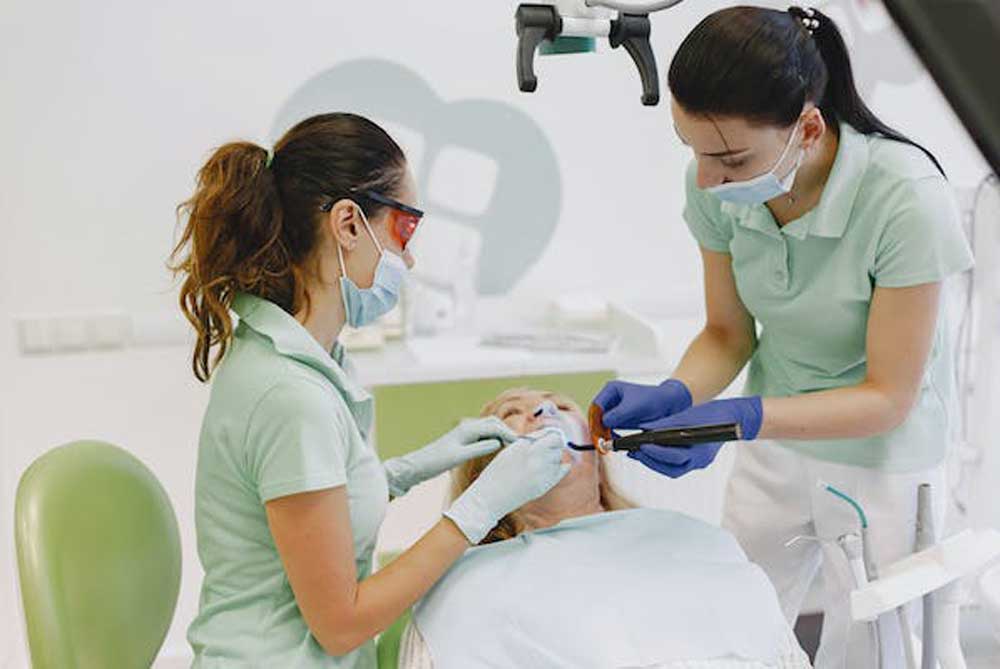
 Clinical Prep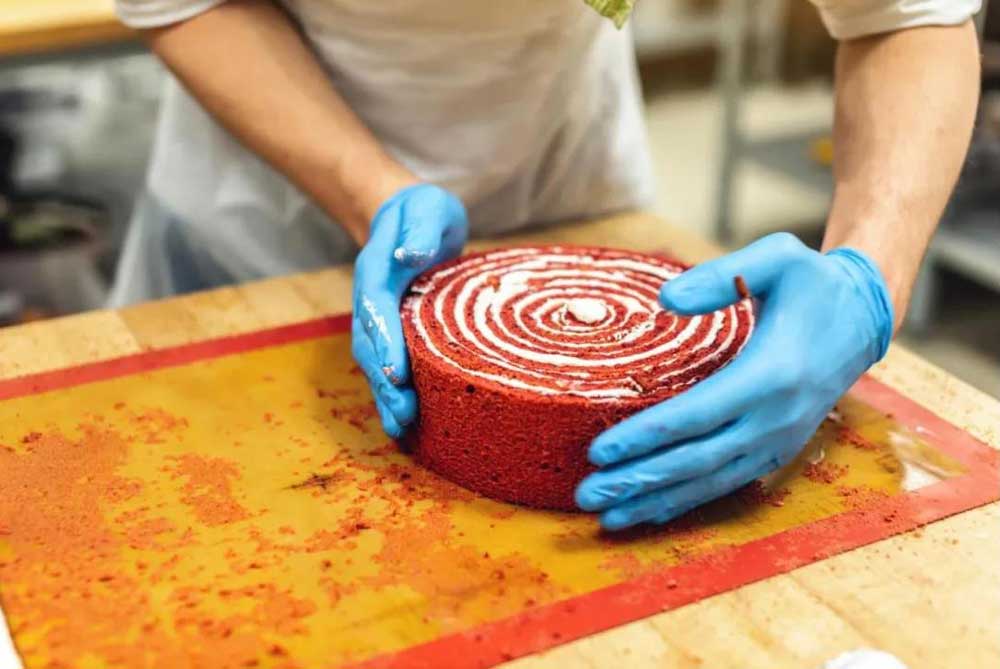
 Studio Hygiene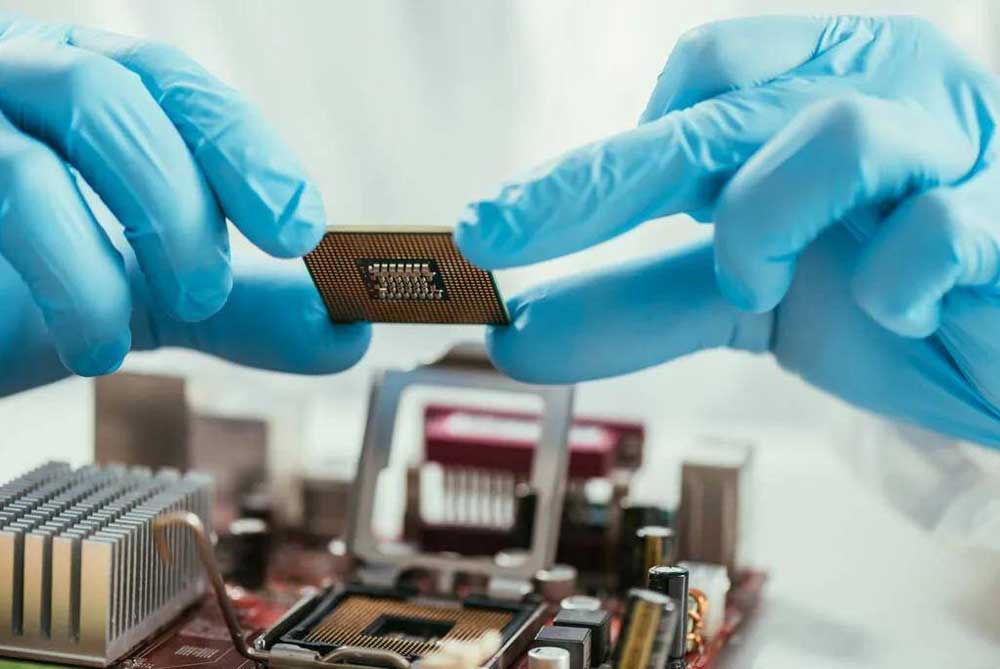
 Sterilization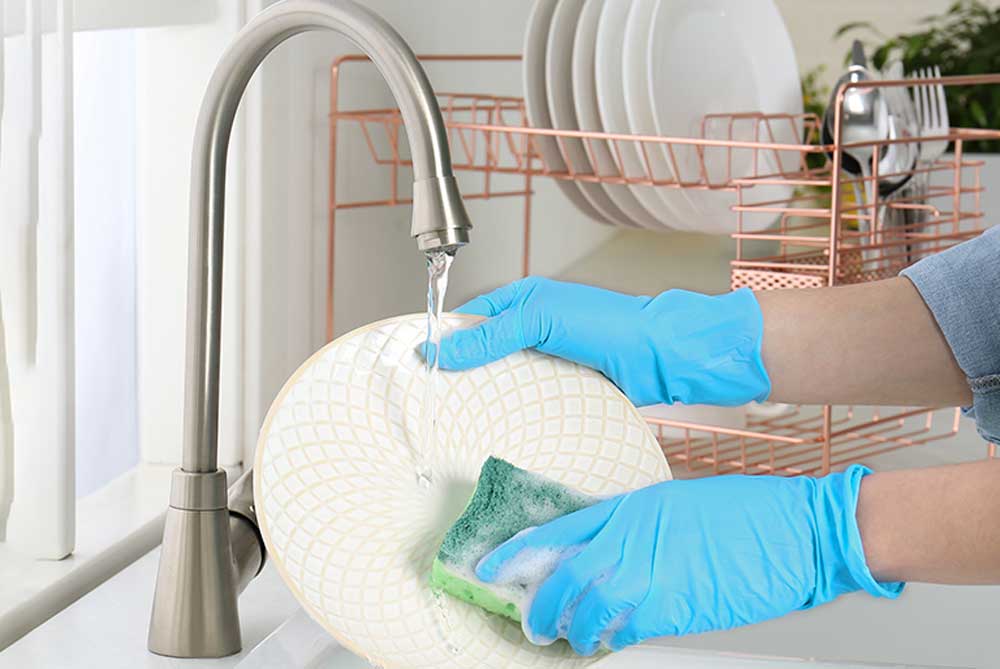
 Client Aftercare
As the demands of the professional tattoo and piercing art sectors grow, so does the sophistication of the manufacturing processes behind their essential tools. The integration of Artificial Intelligence (AI) and machine learning into the production of Polyvinyl Chloride and Nitrile gloves is revolutionizing quality control and supply chain management.
Historically, detecting micro-tears or pinholes in disposable gloves relied heavily on random batch testing—a method that, while effective, left a marginal risk of defective products reaching the end-user. In the context of a tattoo studio, where a pinhole can lead to direct exposure to Hepatitis C or HIV, marginal risk is unacceptable. Today, cutting-edge factories employ AI-driven optical inspection systems. These robotic sensors scan every single glove on the production line in real-time, using advanced algorithms to detect microscopic inconsistencies in polymer thickness, structural integrity, and tensile strength. Any glove that does not meet the exact biometric parameters is automatically rejected by pneumatic systems before it ever reaches the packaging phase.
Looking forward, the industry is also addressing the environmental impact of disposable PPE. While traditional PVC is highly durable, researchers are utilizing AI models to develop biodegradable polymer blends that maintain the chemical resistance needed for tattoo inks and disinfectants, but break down safely in landfills over time. Furthermore, predictive AI is being used to design ergonomically superior gloves. By analyzing the micro-movements of a tattoo artist's hand during an 8-hour session, manufacturers can adjust the molecular structure of the PVC to reduce hand fatigue, prevent carpal tunnel syndrome, and provide an unprecedented level of comfort and flexibility.
Stay updated with the latest advancements in protective wear, hygiene standards, and material technologies.
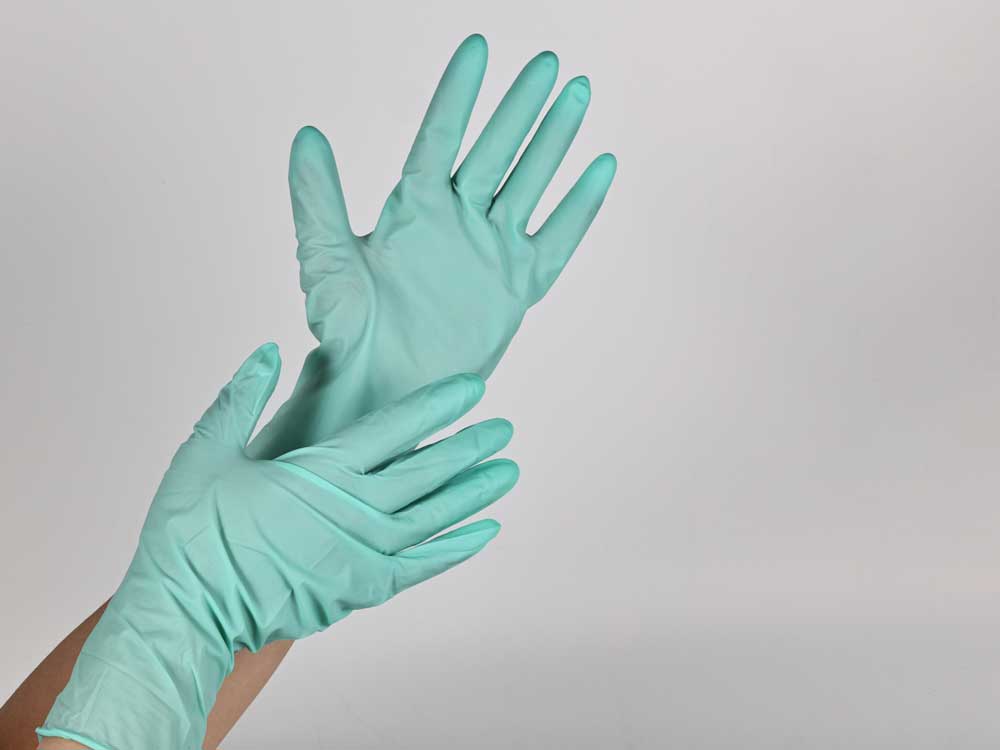
Understanding the critical protocols for donning nitrile and PVC gloves to maintain an absolute barrier against bacterial cross-infection...
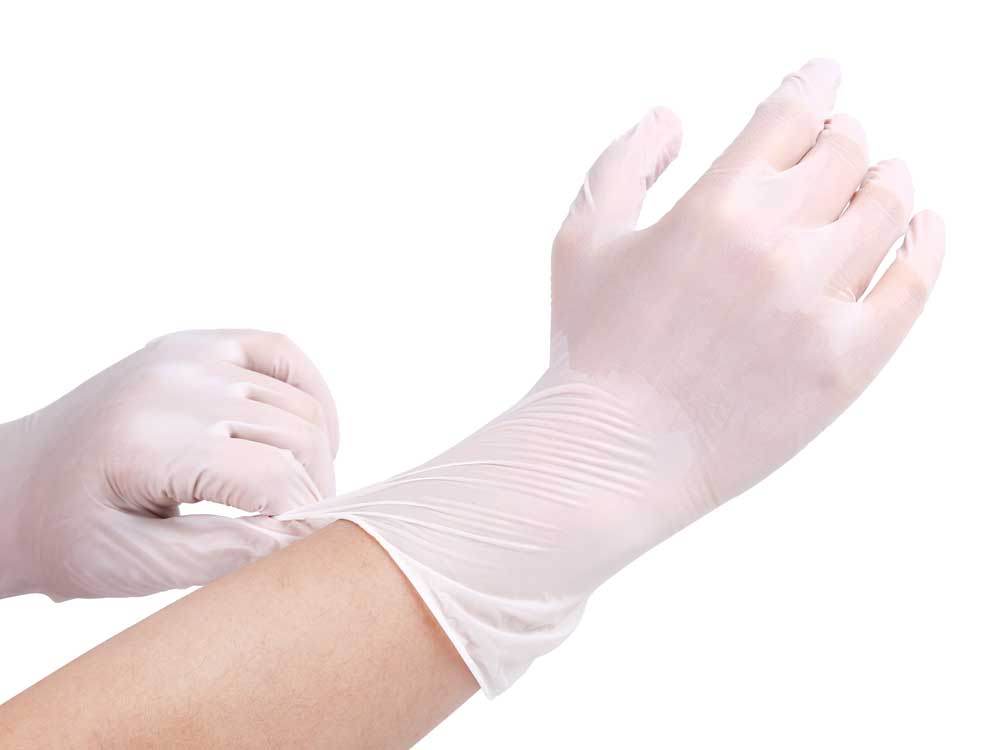
In fields requiring intense manual contact, hand protection is the primary defense against cross-contamination risk points...
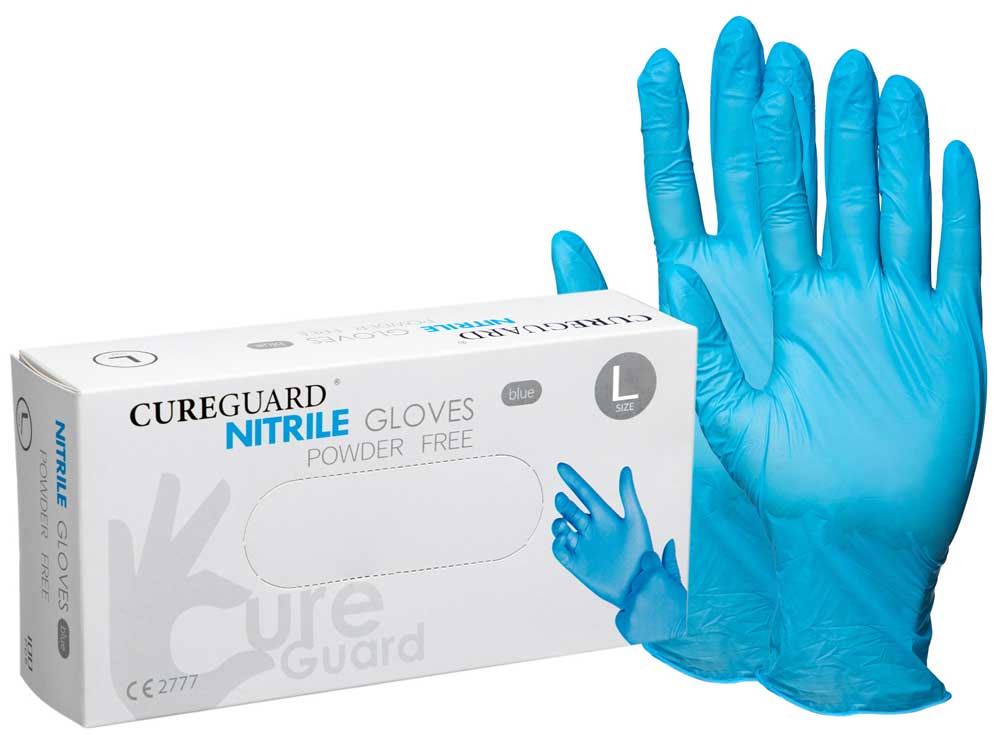
With the growing awareness of safety protection, the demand for resilient, high-tactile protective equipment is showing unprecedented growth...
Explore our full range of protective hand wear, meticulously categorized to suit every specific need within the professional body modification industry.