
Leave Your Message
-
Contact Phone
-
 Contact Email
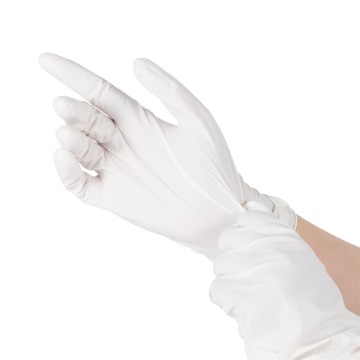
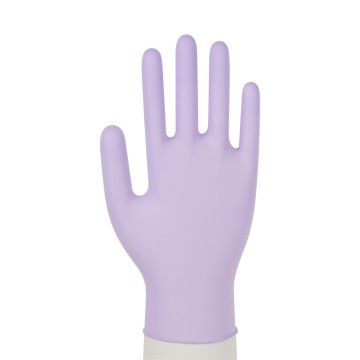
In the highly regulated landscape of the global food and beverage industry, maintaining pristine hygiene standards is no longer merely a compliance requirement—it is the foundational pillar of brand reputation and consumer trust. Nitrile Food Gloves For Professional Food Handling And Service have emerged as the absolute gold standard for personal protective equipment (PPE) in commercial kitchens, industrial food processing plants, and fine dining establishments. Unlike traditional latex or basic polyethylene options, advanced nitrile formulations offer an unparalleled combination of tactile sensitivity, robust puncture resistance, and complete absence of allergy-inducing latex proteins.
The transition from legacy materials to advanced nitrile polymers represents a significant technological leap in food safety protocols. Foodborne illnesses caused by cross-contamination remain a multi-billion dollar challenge globally. By deploying high-grade, powder-free nitrile gloves, food service operators create an impermeable, reliable barrier between human hands and consumable goods. Whether handling raw poultry, acidic citrus fruits, or delicate ready-to-eat (RTE) pastries, these gloves maintain their structural integrity, ensuring that neither chemical leaching nor bacterial transfer compromises the food supply chain.
The commercial demand for food-grade nitrile gloves has skyrocketed over the past decade. Driven by stringent FDA (Food and Drug Administration) regulations in the US, CE (Conformité Européene) standards in Europe, and elevated global hygiene expectations post-pandemic, the industrial landscape has shifted decisively. Facilities ranging from massive automated meatpacking plants to boutique artisanal bakeries now mandate nitrile PPE.
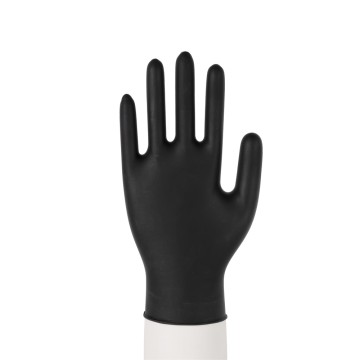
Current market trends highlight a specific demand for color-coded nitrile systems (e.g., blue for raw seafood, black for front-of-house BBQ service, white for dairy). This visual management strategy drastically reduces cross-contamination risks. Furthermore, the chemical resistance of nitrile makes it perfectly suited for the rigorous sanitation procedures in industrial food manufacturing, where workers frequently interact with harsh cleaning agents and sanitizers.
Understanding the specific demands of various culinary and industrial environments is crucial for selecting the right protective barrier. Here is a deeper analysis of how nitrile gloves perform across distinct professional food service sectors.
In environments where workers handle sharp boning knives, heavy machinery, and raw animal proteins, durability is non-negotiable. Nitrile gloves provide exceptional tensile strength and puncture resistance. The micro-roughened textures on the fingertips ensure a firm grip on slippery, fat-covered meats, reducing workplace accidents and enhancing processing efficiency. Moreover, nitrile's resistance to animal fats prevents the glove material from degrading during long shifts.
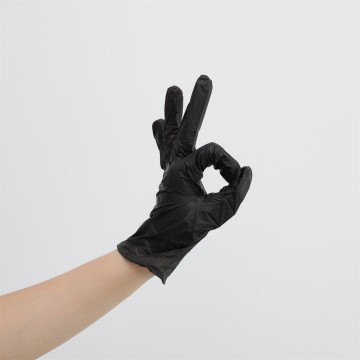
Chefs require maximum tactile sensitivity to execute precise knife cuts and delicate plating techniques. High-quality, ultra-thin nitrile gloves conform to the hand like a second skin, minimizing hand fatigue during grueling 12-hour shifts. The popular "Black Nitrile" variant has become a staple in open kitchens, BBQ joints, and sushi bars, as it masks grease and stains, maintaining a sleek, professional aesthetic in front of patrons.
For sandwich shops, delis, and salad bars, the primary concern is preventing the transfer of pathogens to food that will not undergo further cooking. Nitrile gloves designed for these fast-paced environments are powder-free to prevent any residue transfer to the food. They are engineered for rapid donning and doffing, allowing workers to seamlessly switch gloves between handling currency and preparing food, strictly adhering to health department guidelines.
In large-scale food manufacturing, workers often operate alongside automated belts, dealing with extreme temperatures, spices, and food dyes. Nitrile provides a superior chemical barrier against acidic ingredients (like vinegar or citrus) and capsaicin (found in chili peppers), protecting the worker's skin while simultaneously preventing human skin oils and contaminants from entering the automated packaging line.
The future of Nitrile Food Gloves For Professional Food Handling And Service is heavily intertwined with technological advancements. As sustainability becomes a global imperative, the industry is witnessing the advent of biodegradable nitrile technologies. These innovative formulations maintain the robust protective qualities of traditional nitrile during use but are engineered to break down rapidly in biologically active landfills, significantly reducing the carbon footprint of high-volume food service operations.
Behind the scenes, AI-driven manufacturing and quality control are revolutionizing how these gloves are produced. Modern automated dipping lines now utilize advanced machine vision systems powered by artificial intelligence. These AI cameras scan every single glove in real-time, detecting microscopic pinholes, thickness variations, or structural weaknesses that human eyes might miss. This ensures a flawless Acceptable Quality Level (AQL), guaranteeing that every batch delivered to food processing facilities offers absolute barrier integrity.
Furthermore, smart inventory tracking using IoT (Internet of Things) is helping large restaurant chains and industrial plants monitor PPE usage in real-time, optimizing supply chains and ensuring that facilities never run out of critical food-safe gloves during peak production hours.
Established in 2006 and headquartered in Jiangsu Province, China, Cureguard Glove Group is a premier global manufacturer specializing in high-grade protective solutions. With a deep commitment to quality and safety, we have spent over two decades perfecting the formulation and production of disposable vinyl and nitrile gloves tailored for professional food handling, medical, and industrial applications.
Our state-of-the-art facilities are equipped with cutting-edge technology, allowing us to supply premium products to more than 100 countries worldwide. We understand that in the food service industry, a glove is more than an accessory—it is a critical tool for public health. That is why our rigorous testing protocols ensure compliance with the highest international safety standards.

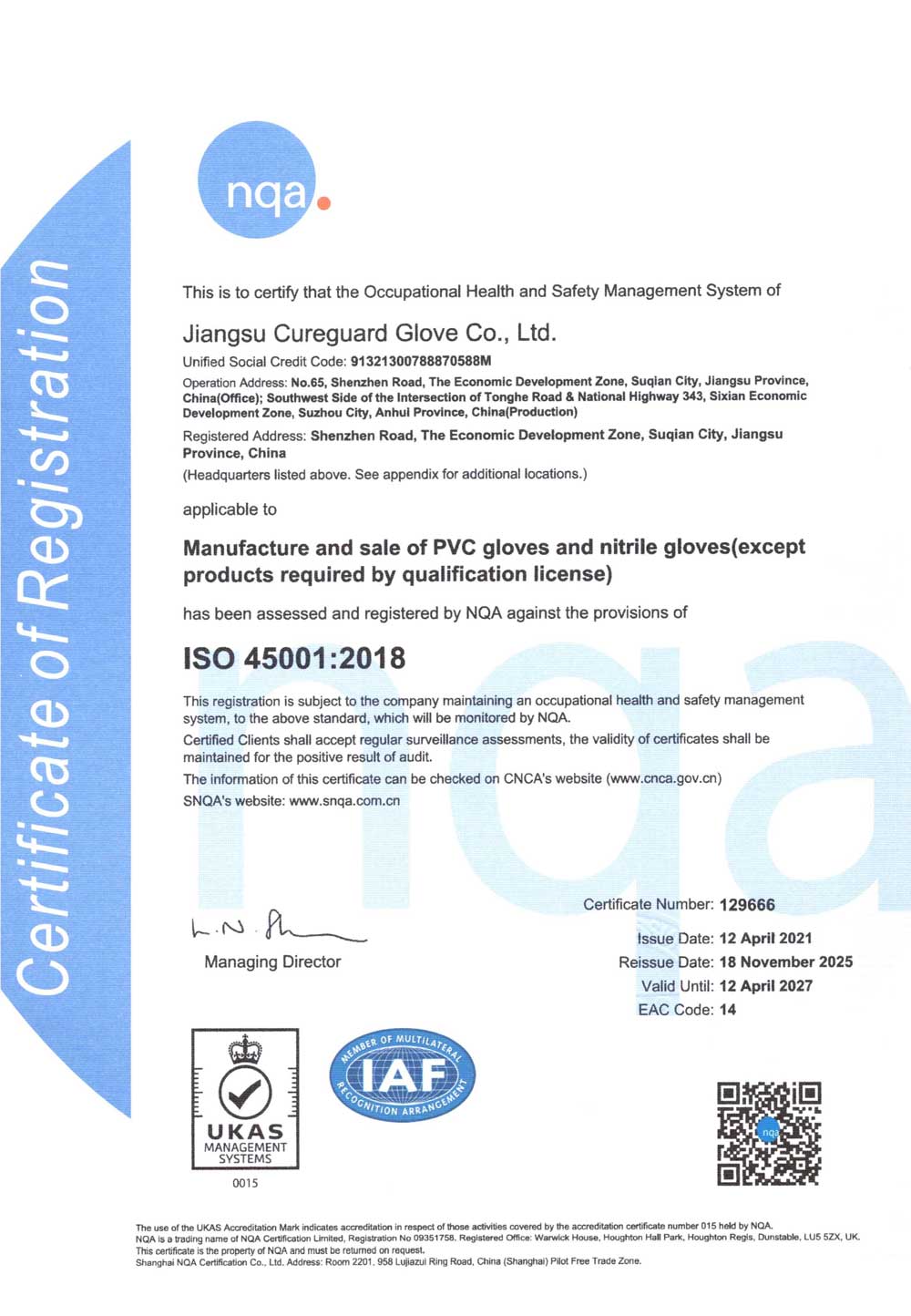
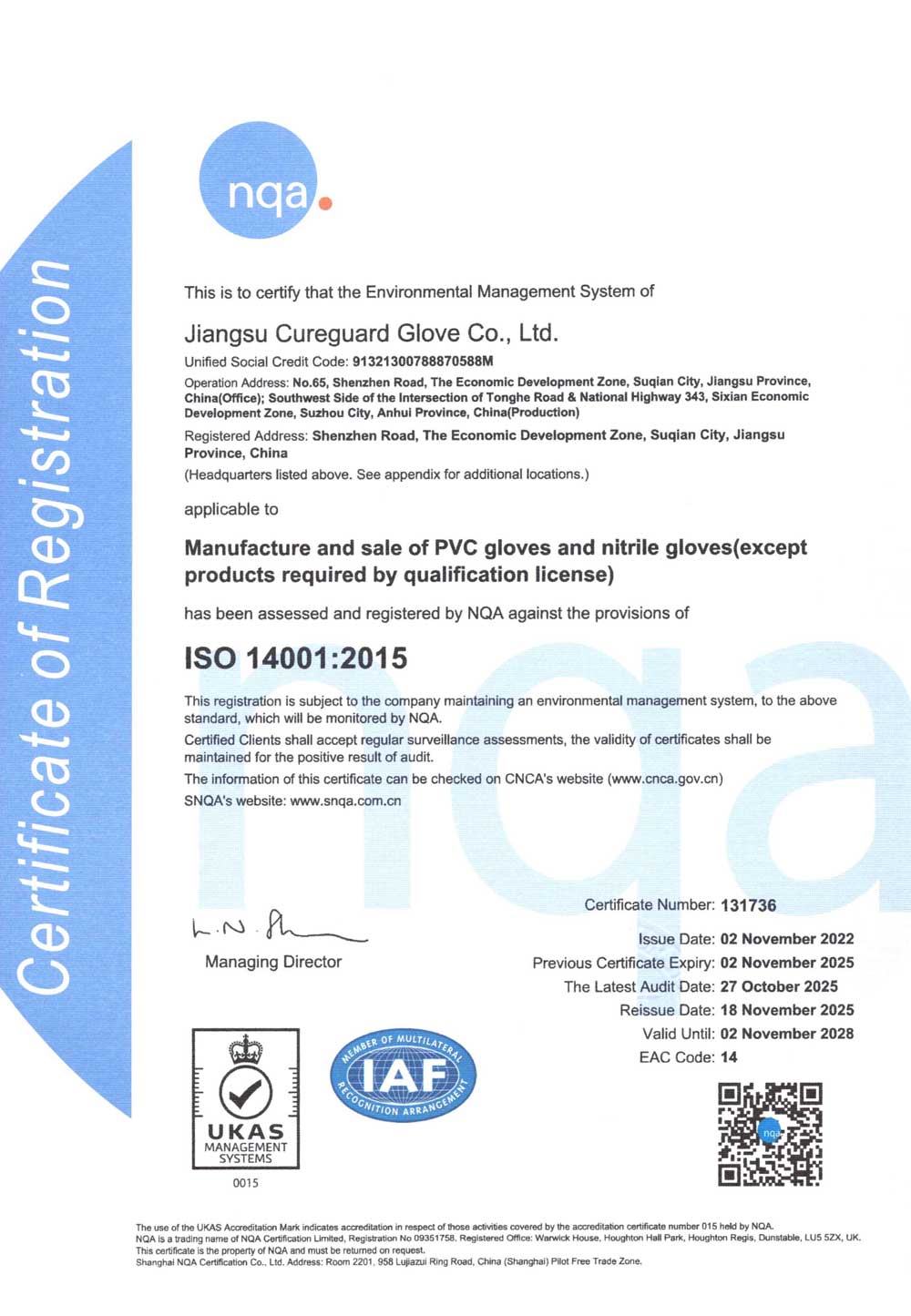
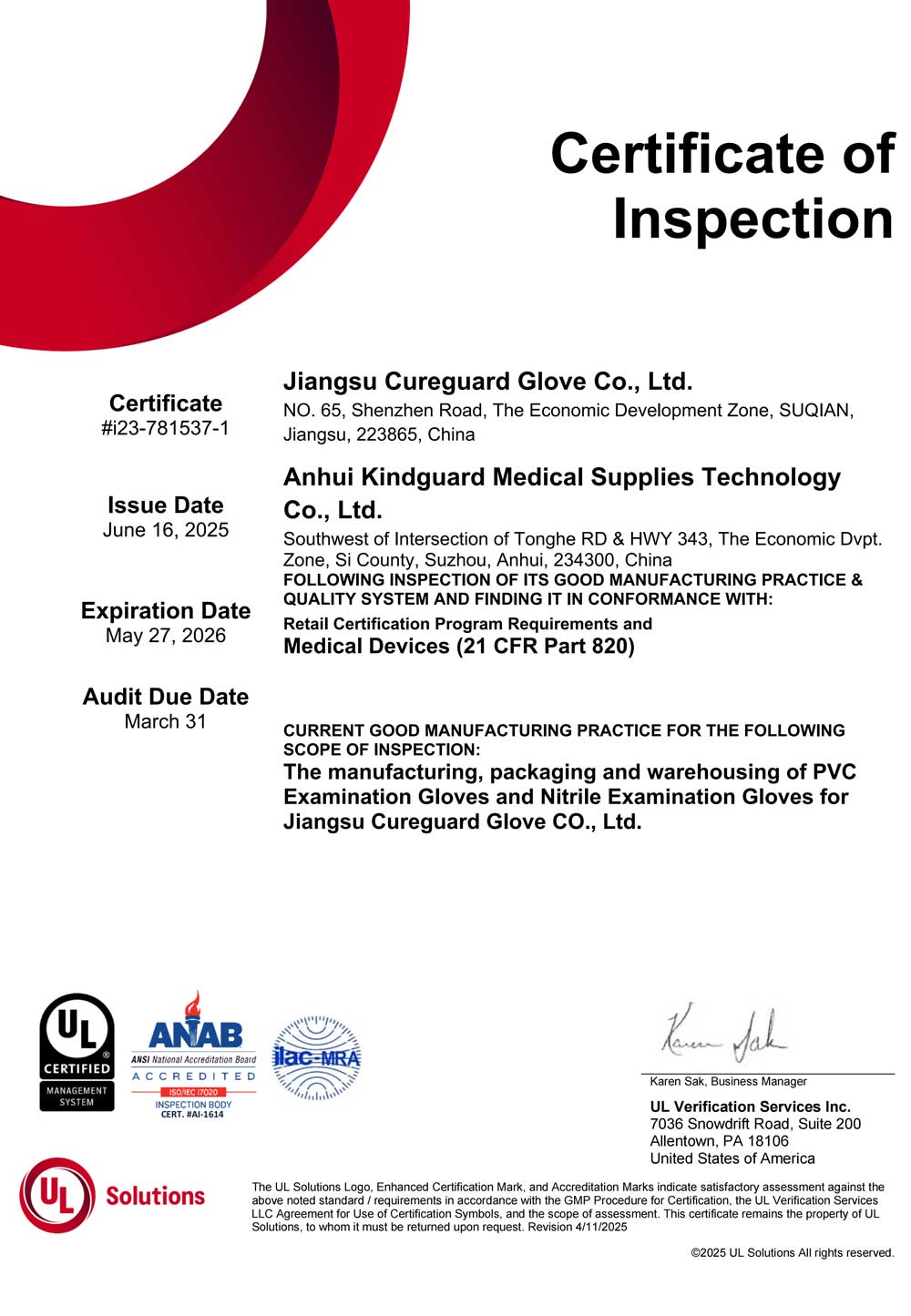
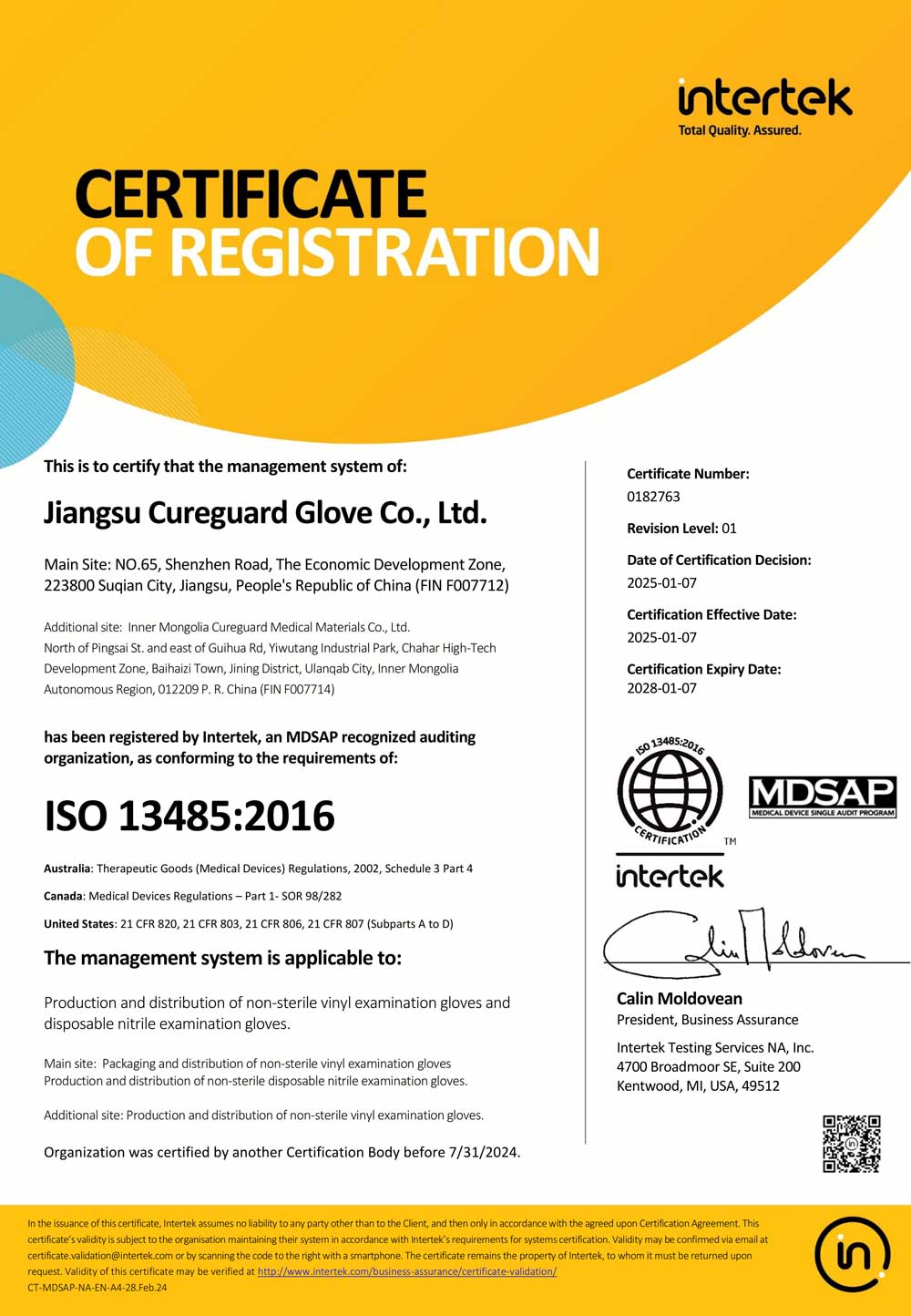
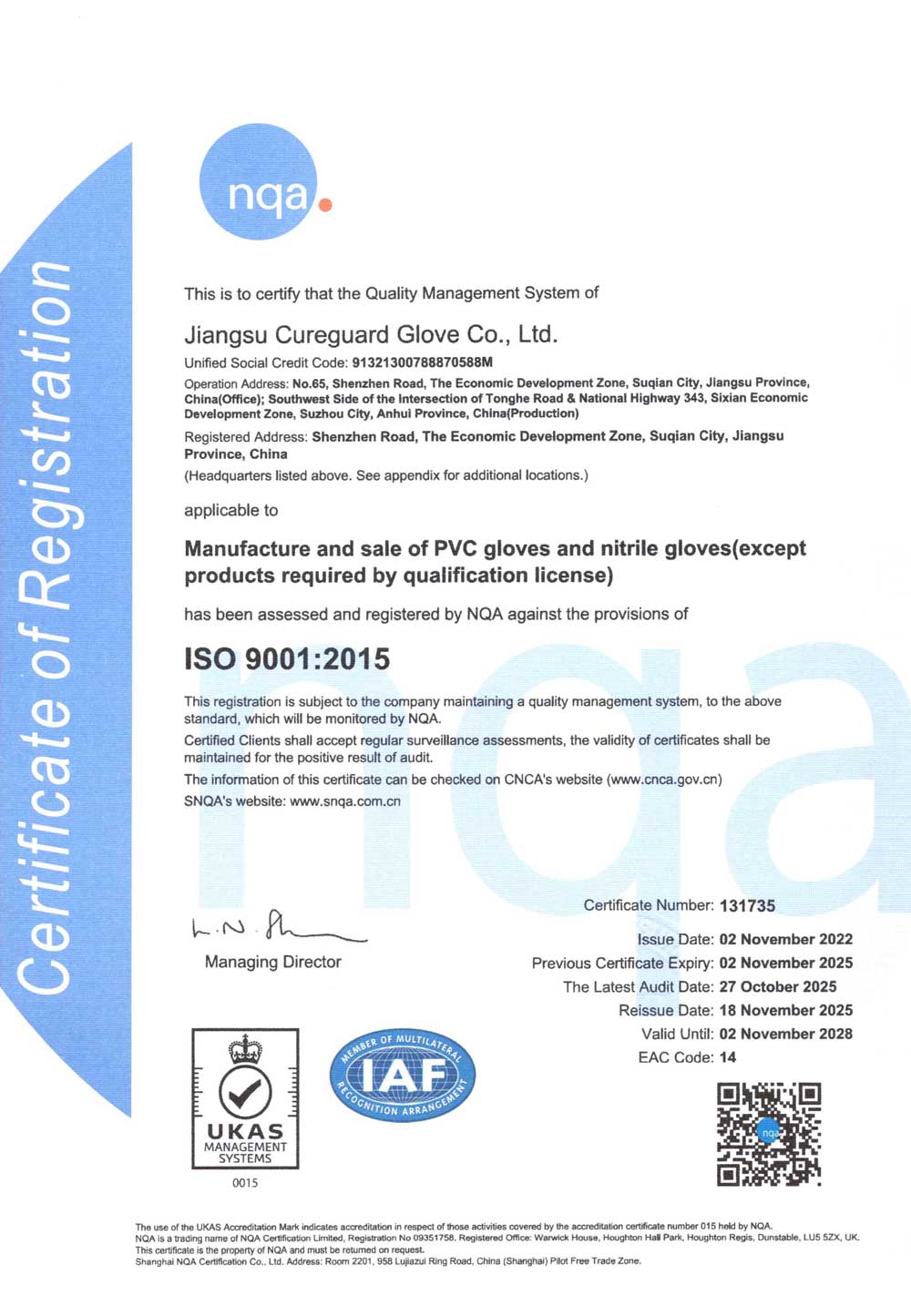
Our commitment to professional food safety and industrial standards is backed by comprehensive global certifications, ensuring every glove meets strict regulatory requirements.
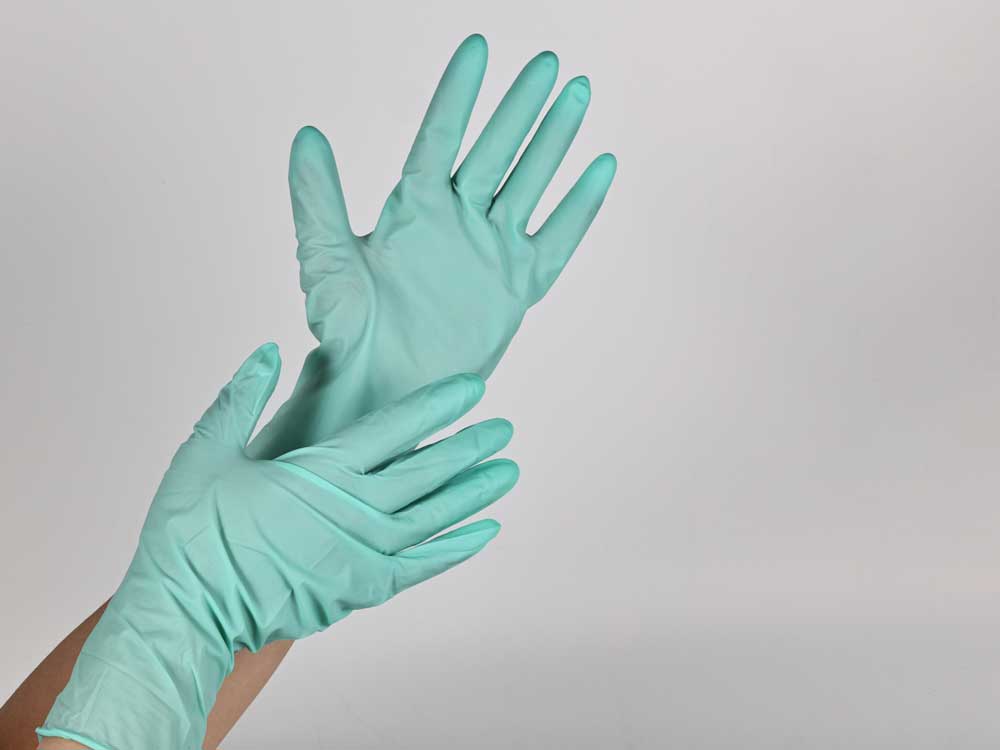
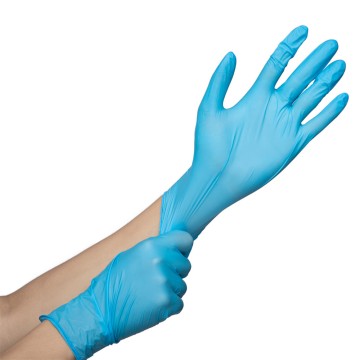
Proper donning techniques for nitrile gloves are just as critical in commercial kitchens as they are in medical fields to prevent severe cross-contamination...
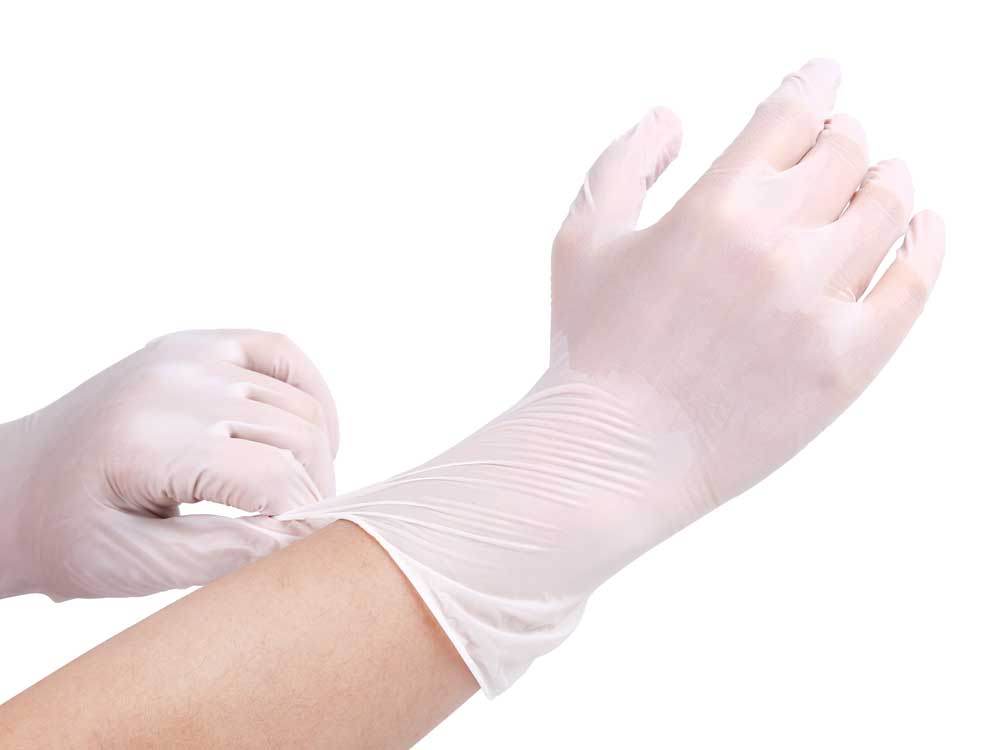
In the field of food processing, hand contact is one of the primary risk points. Discover how advanced glove materials mitigate pathogen transfer...
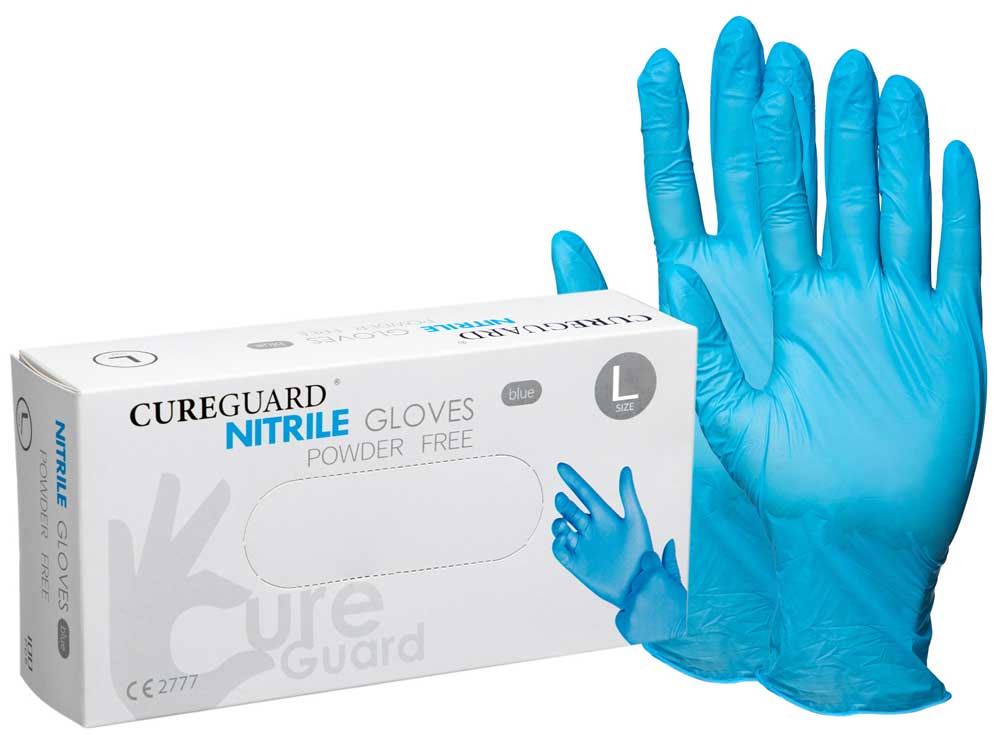
With growing awareness of food safety, the demand for reliable protective equipment is rising. Explore why nitrile is the preferred choice for modern chefs...