
Leave Your Message
-
Contact Phone
-
 Contact Email
Advanced Polymer Technology: Bridging Food-Grade Safety with Professional Salon Protection
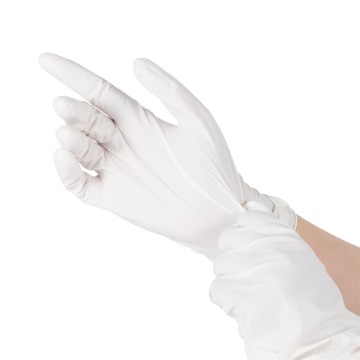
The beauty and personal care industry is undergoing a massive transformation regarding occupational health and hygiene. For decades, beauty salons, hair colorists, and estheticians relied heavily on latex and basic vinyl gloves to protect their hands during chemical treatments. However, the paradigm has shifted dramatically. Today, Nitrile Food Gloves for Beauty Salons and Hair Coloring have emerged as the gold standard. But why is a product originally designed for the food and medical sectors becoming indispensable in high-end salons?
To understand this, we must look at the commercial and industrial landscape. The global disposable glove market has seen unprecedented growth, driven primarily by heightened hygiene awareness post-pandemic and stricter occupational safety regulations. Nitrile, a synthetic copolymer formed from acrylonitrile and butadiene, offers a unique combination of extreme chemical resistance, puncture durability, and zero latex proteins. This makes it an absolute necessity in environments where professionals are exposed to harsh chemicals daily—such as the hydrogen peroxide, ammonia, and paraphenylenediamine (PPD) found in professional hair dyes.
Nitrile provides an impenetrable barrier against hair dye chemicals, bleach, and acetone, far surpassing standard latex.
100% latex-free composition eliminates the risk of Type I allergic reactions for both the stylist and the client.
Advanced AI-driven manufacturing allows for micro-textured fingertips, ensuring precision during complex hair sectioning.
It might seem counterintuitive to specifically seek out food-grade nitrile gloves for hair coloring. However, the "food-grade" designation (often regulated by the FDA or equivalent international bodies) guarantees that the gloves are manufactured without toxic plasticizers, heavy metals, or harmful chemical residues that could leach out. When a hair stylist applies color, they are massaging chemicals directly near the client's scalp—an highly vascularized area prone to absorbing substances.
Using food-grade nitrile ensures that no secondary contaminants are introduced during the hair coloring process. Furthermore, estheticians performing facials, microdermabrasion, or waxing benefit immensely from this purity. The skin is the body's largest organ, and maintaining a sterile, non-toxic barrier is paramount. Food-grade nitrile gloves offer that peace of mind, combining industrial-strength chemical resistance with dermatological safety.
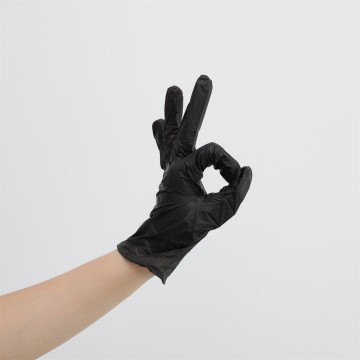
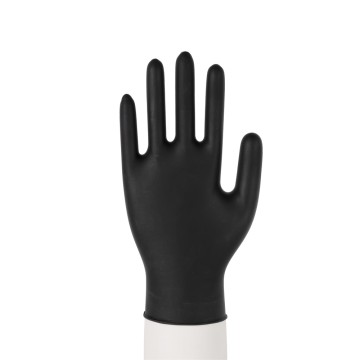
Hair coloring is an art that requires precision and protection. When stylists mix developers (hydrogen peroxide) with color creams or bleaching powders, an exothermic chemical reaction occurs. Traditional gloves can degrade, become sticky, or even allow chemicals to seep through, leading to contact dermatitis. Nitrile food gloves act as an armored shield. Their high tensile strength ensures that even when snagged by sharp hair cutting shears or pintail combs, they do not easily tear. The dark-colored variants (like black or dark blue nitrile) are particularly popular in salons as they hide unsightly dye stains, maintaining a sleek, professional appearance in front of clients.
Keratin treatments often involve formaldehyde or formaldehyde-releasing agents, combined with high-heat flat irons. The stylist's hands are constantly exposed to chemical vapors and heat. Nitrile gloves offer superior thermal resistance compared to vinyl, and their snug fit prevents the gloves from melting or slipping during the rigorous blow-drying and ironing phases. The ergonomic 3D hand-mapping technology used in modern nitrile glove production reduces hand fatigue, which is crucial for stylists performing multi-hour treatments.
Beyond hair, beauty salons encompass nail care. Nail technicians work with pure acetone, acrylic monomers, and UV gels. Acetone melts standard latex and vinyl gloves within seconds. Nitrile, however, boasts exceptional resistance to non-polar solvents. A high-quality nitrile glove allows nail techs to wipe down sticky gel residue or remove acrylics without compromising their own skin barrier.
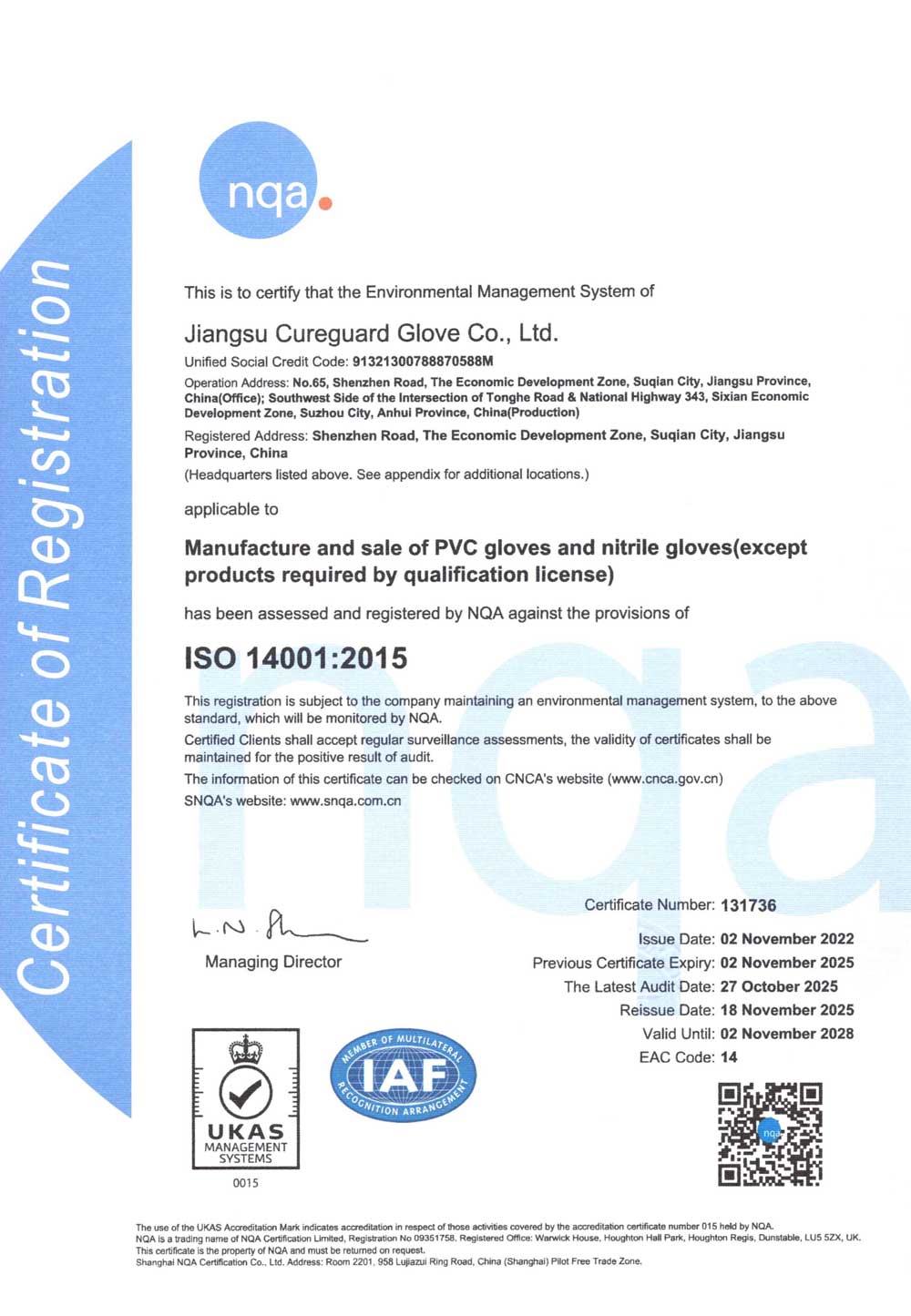
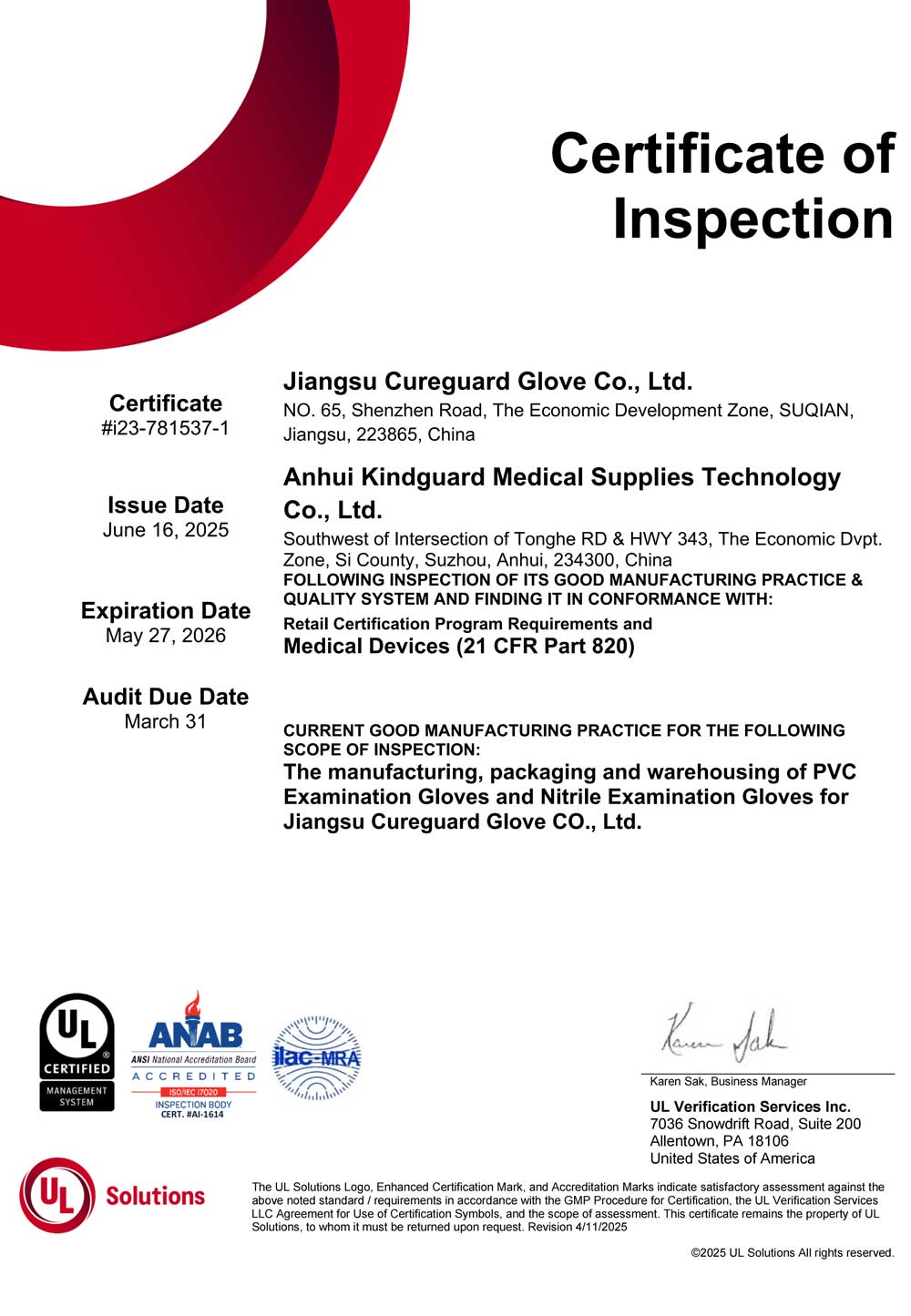
The manufacturing of nitrile gloves is becoming increasingly high-tech. Facilities are now integrating AI-driven quality control systems that scan gloves at a microscopic level for pinhole defects before they are boxed. This ensures a Medical Quality Level (AQL) that far exceeds standard requirements. Furthermore, the industry is trending towards sustainability. Innovations in polymer science are leading to the development of biodegradable nitrile gloves. These eco-friendly alternatives maintain the robust chemical resistance required for hair coloring but feature organic additives that attract microbes in landfills, allowing the gloves to break down in a fraction of the time compared to traditional synthetics.
Established in 2006 and headquartered in Jiangsu Province, China, Cureguard Glove Group is specialized in glove manufacturing for over 20 years.
We own over 60 production lines dedicated to disposable vinyl and nitrile gloves, and reusable vinyl gloves with an annual output exceeding 10 billion pieces. We supply various kinds of gloves to customers in more than 100 countries and regions worldwide.
We roll out different series of products to address various routine scenario needs, such as medical examination, food contact, electronic industry, household use, and specialized salon applications.
Click View More



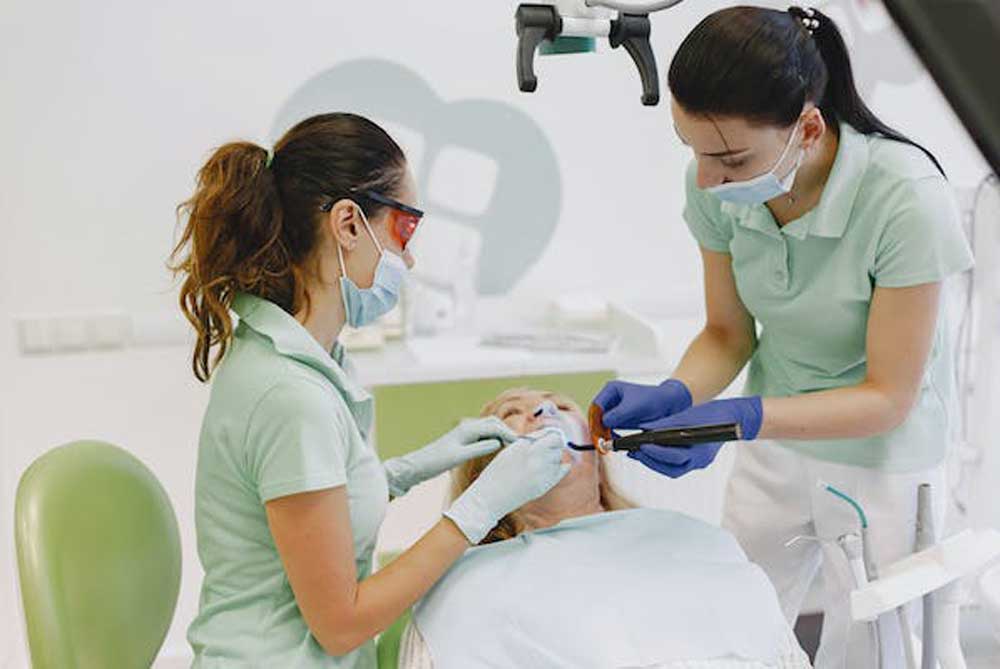
Ensuring sterile environments for facials, micro-needling, and advanced dermatological treatments.
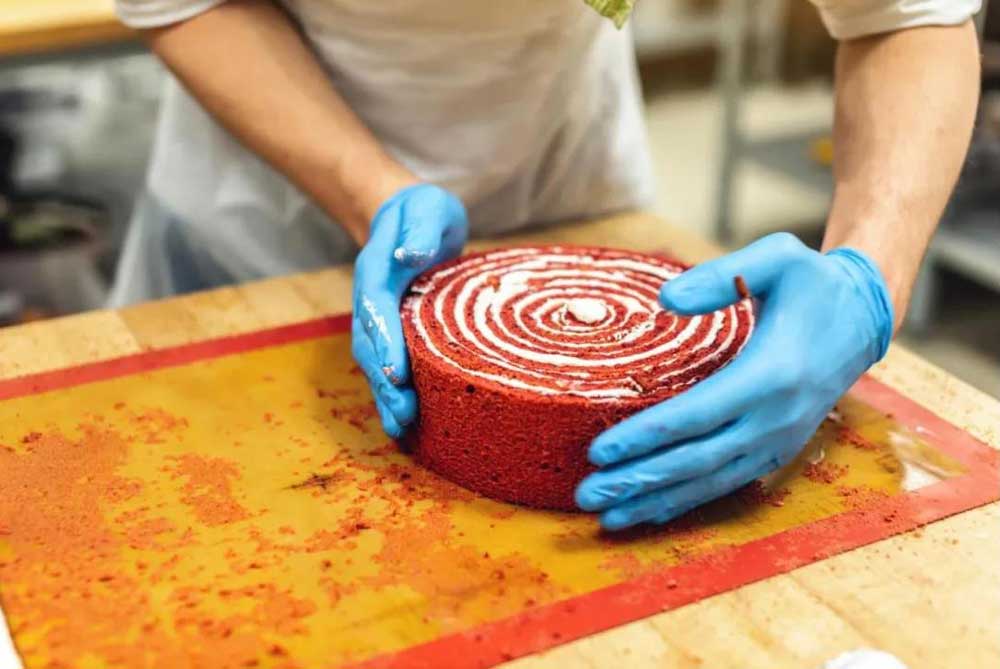
Non-toxic, pure materials ensuring zero chemical leaching when in close contact with clients' skin.
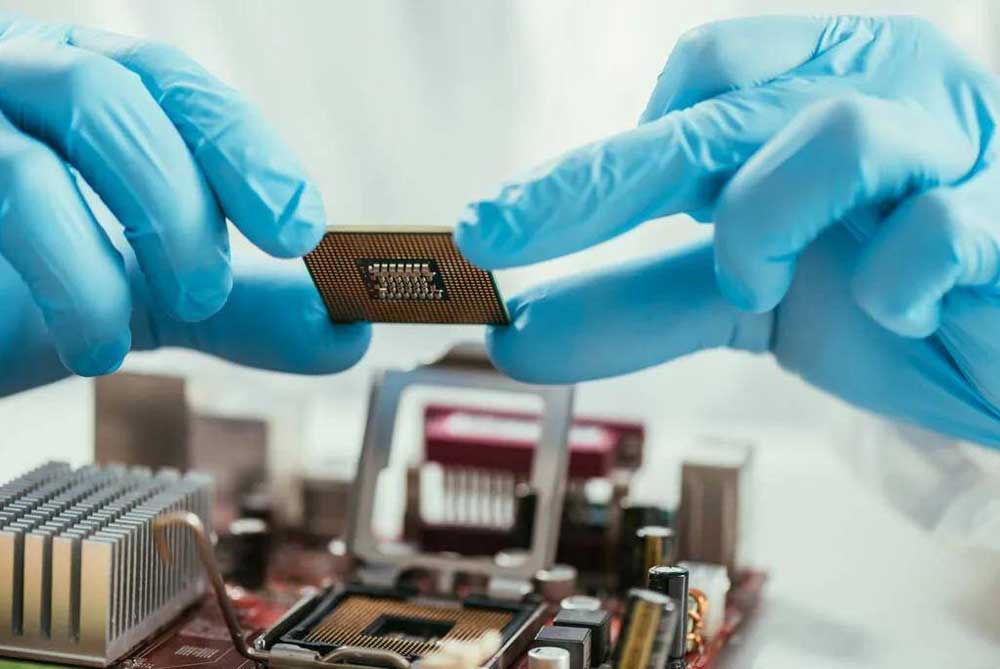
Industrial-strength barrier against peroxides, ammonia, and harsh salon solvents like acetone.
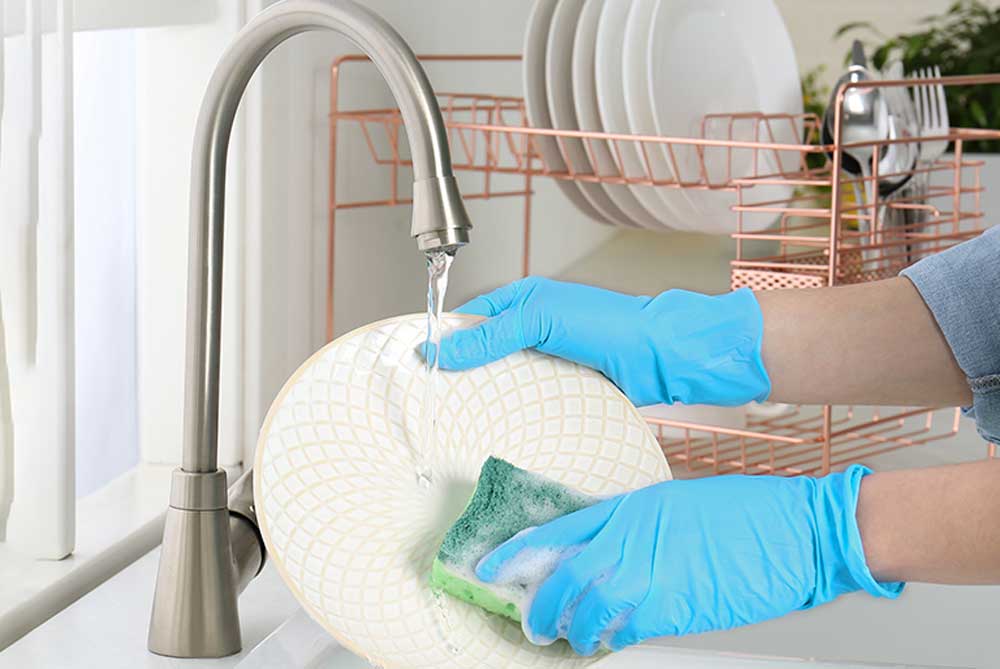
In salon life, hygiene is crucial when cleaning tools, handling ingredients, or caring for clients.
Learn More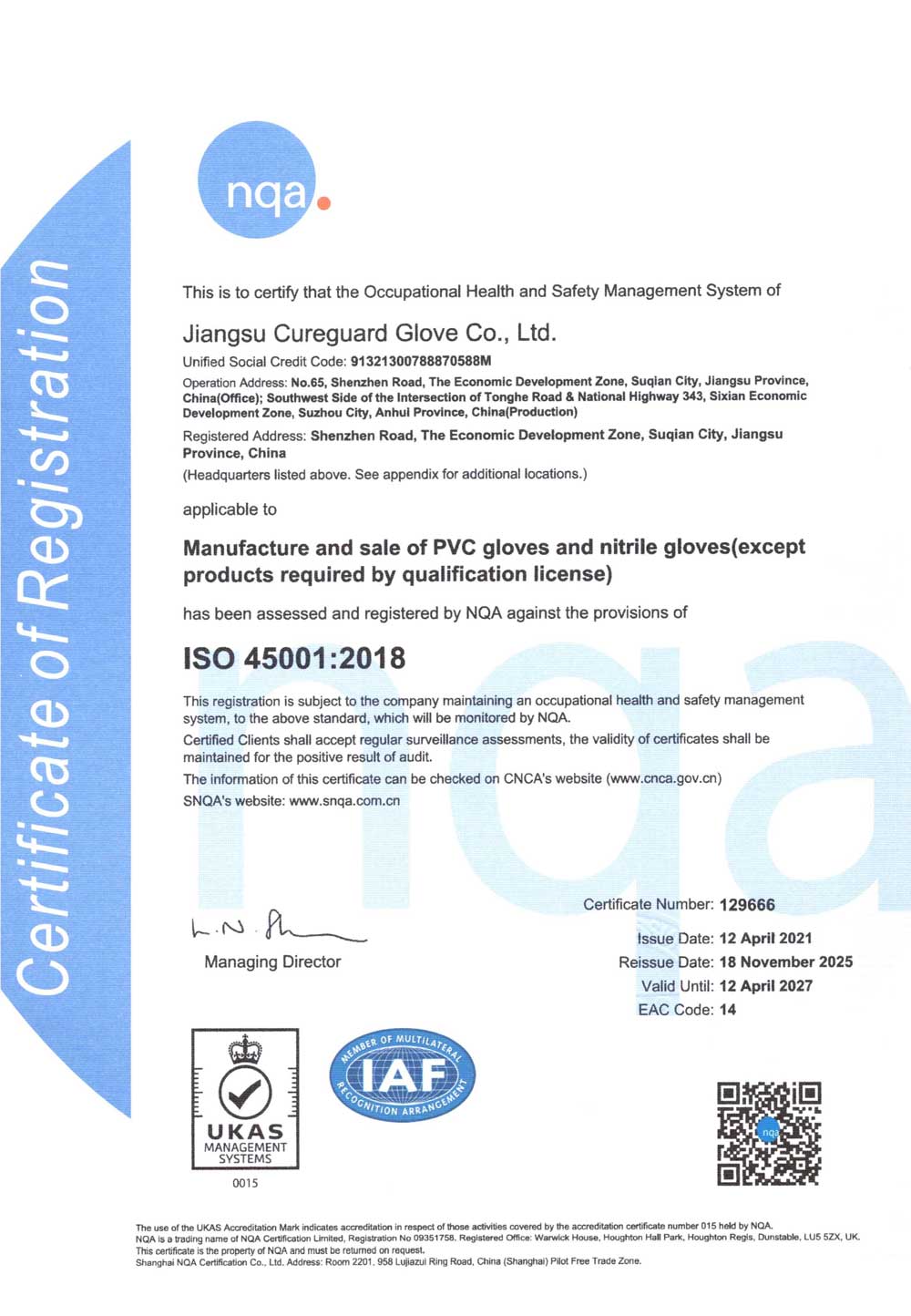

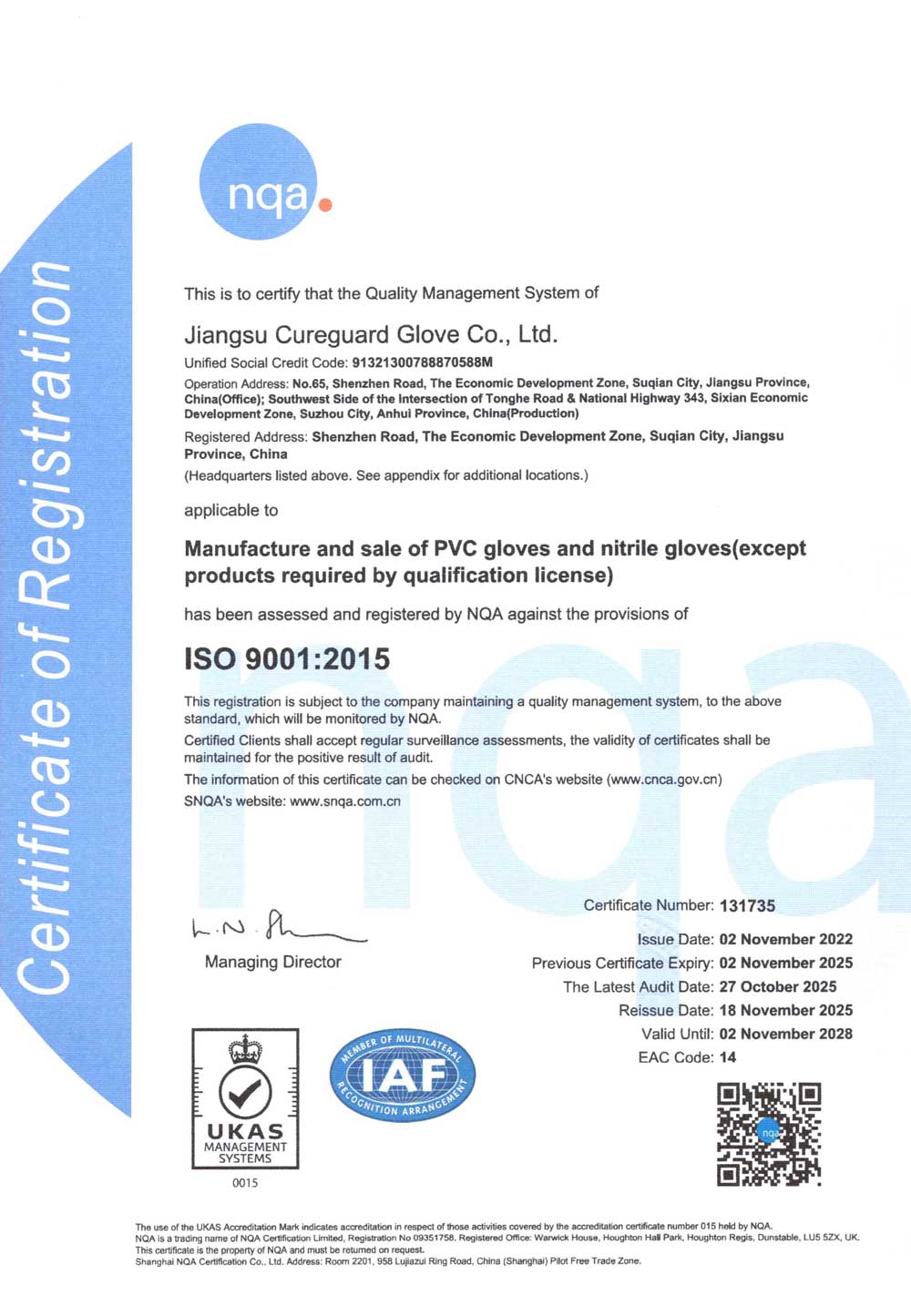
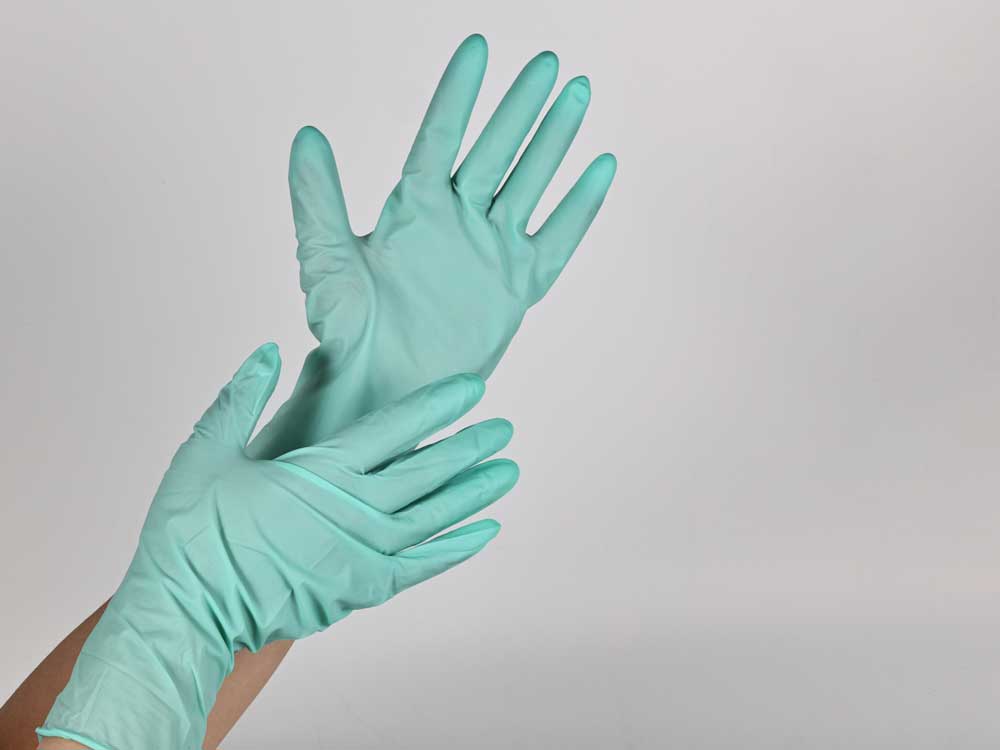
Medical staff wear nitrile gloves during surgery to prevent bacterial cross-infection. In the same way, salons benefit from strict donning procedures...
Read More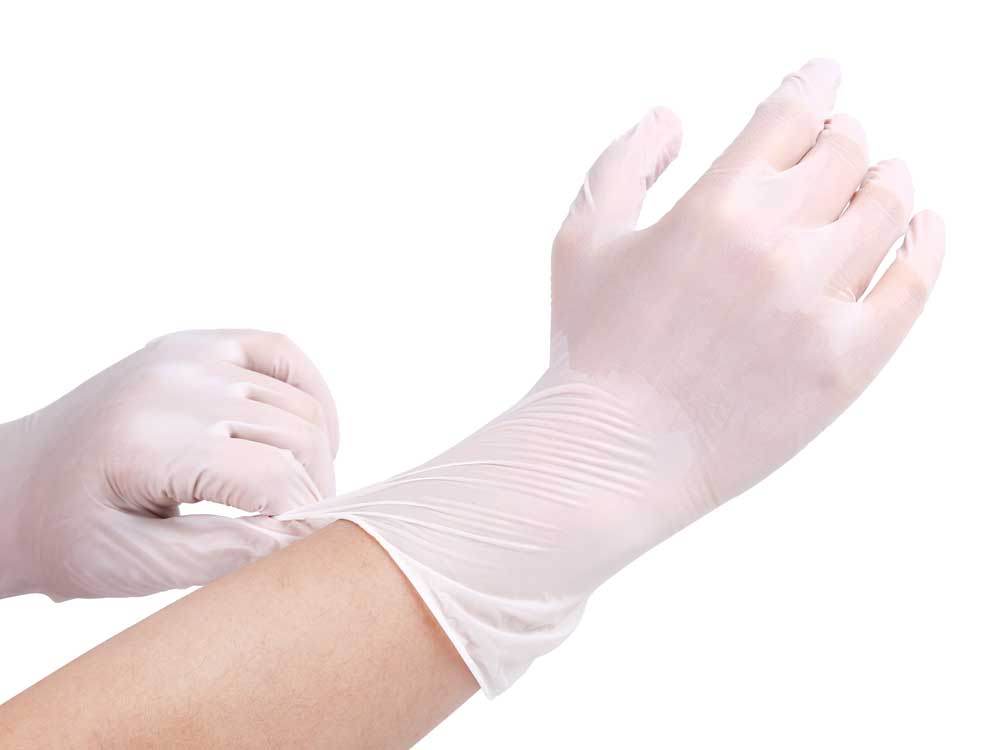
In the field of food processing and beauty care, hand contact is one of the primary risk points for cross-contamination...
Read More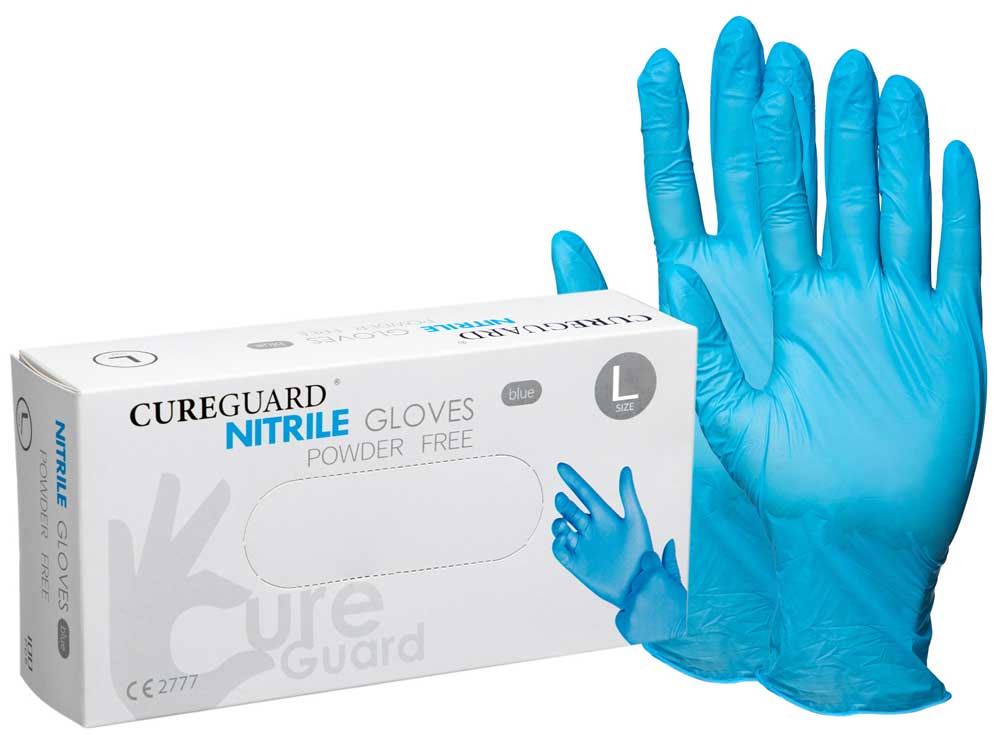
With the growing awareness of safety protection, the demand for protective equipment is showing rapid growth across multiple industries...
Read More