
Leave Your Message
-
Contact Phone
-
 Contact Email
Advanced AI-Engineered Hand Protection for the Most Demanding Environments
In the rapidly evolving sectors of industrial maintenance, heavy machinery repair, and automotive mechanics, the standard for personal protective equipment (PPE) has undergone a massive paradigm shift. Historically, mechanics and industrial workers relied heavily on thick leather gloves, standard latex, or even bare hands to maneuver through complex mechanical systems. However, the modern industrial landscape demands a highly sophisticated balance between robust protection and supreme tactile sensitivity. Enter Nitrile Exam Gloves For Industrial Maintenance And Mechanics—the definitive solution that has revolutionized workplace safety protocols globally.
Commercially, the industrial nitrile glove market is experiencing unprecedented growth. Driven by stringent OSHA regulations and a heightened corporate awareness regarding occupational dermatitis and chemical burns, facility managers are bulk-sourcing high-grade nitrile. Unlike natural rubber latex, which poses severe allergy risks to a significant percentage of the workforce, synthetic nitrile rubber offers a hypoallergenic alternative without compromising on elasticity or barrier integrity. The commercial viability of these gloves is further underscored by their cost-efficiency; reducing workplace injuries directly correlates to lower insurance premiums and minimized operational downtime.
Nitrile's molecular structure provides exceptional resistance to petroleum-based products. When mechanics handle motor oil, hydraulic fluids, transmission fluids, and harsh brake cleaners, latex and vinyl degrade rapidly. Nitrile maintains its structural integrity, offering an impenetrable shield against toxic industrial chemicals while providing the micro-roughened texture necessary to grip slippery, oil-coated tools.
Furthermore, the development of varying mil-thicknesses (ranging from standard 4-mil to ultra-heavy-duty 8-mil or 10-mil) allows for customized protection based on the specific task. A technician performing delicate electrical diagnostics might opt for a thinner gauge to feel tiny wires, whereas a heavy-duty diesel mechanic rebuilding a transmission will require a thicker, puncture-resistant barrier. This versatility is precisely why nitrile has monopolized the mechanic and maintenance sectors.
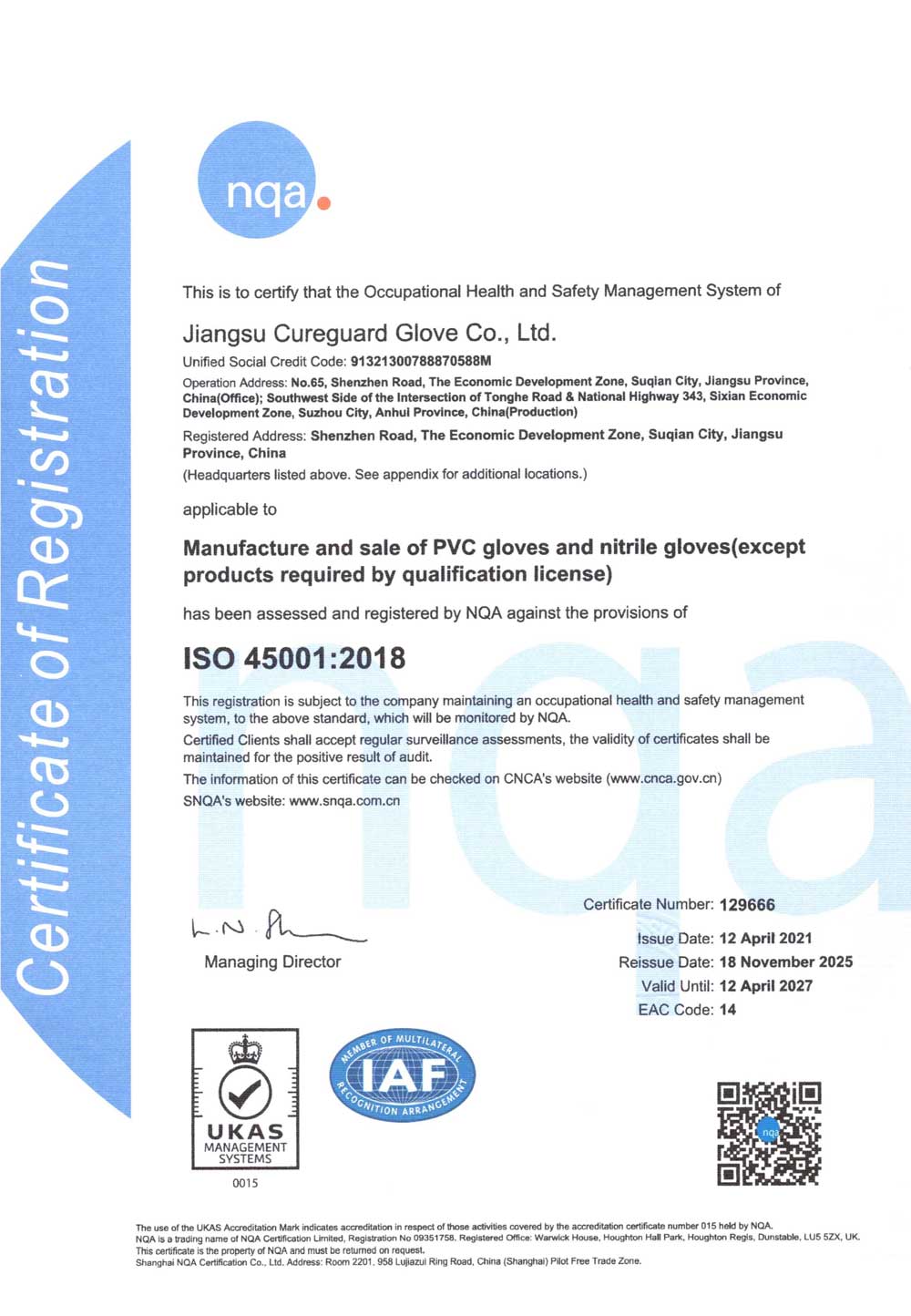
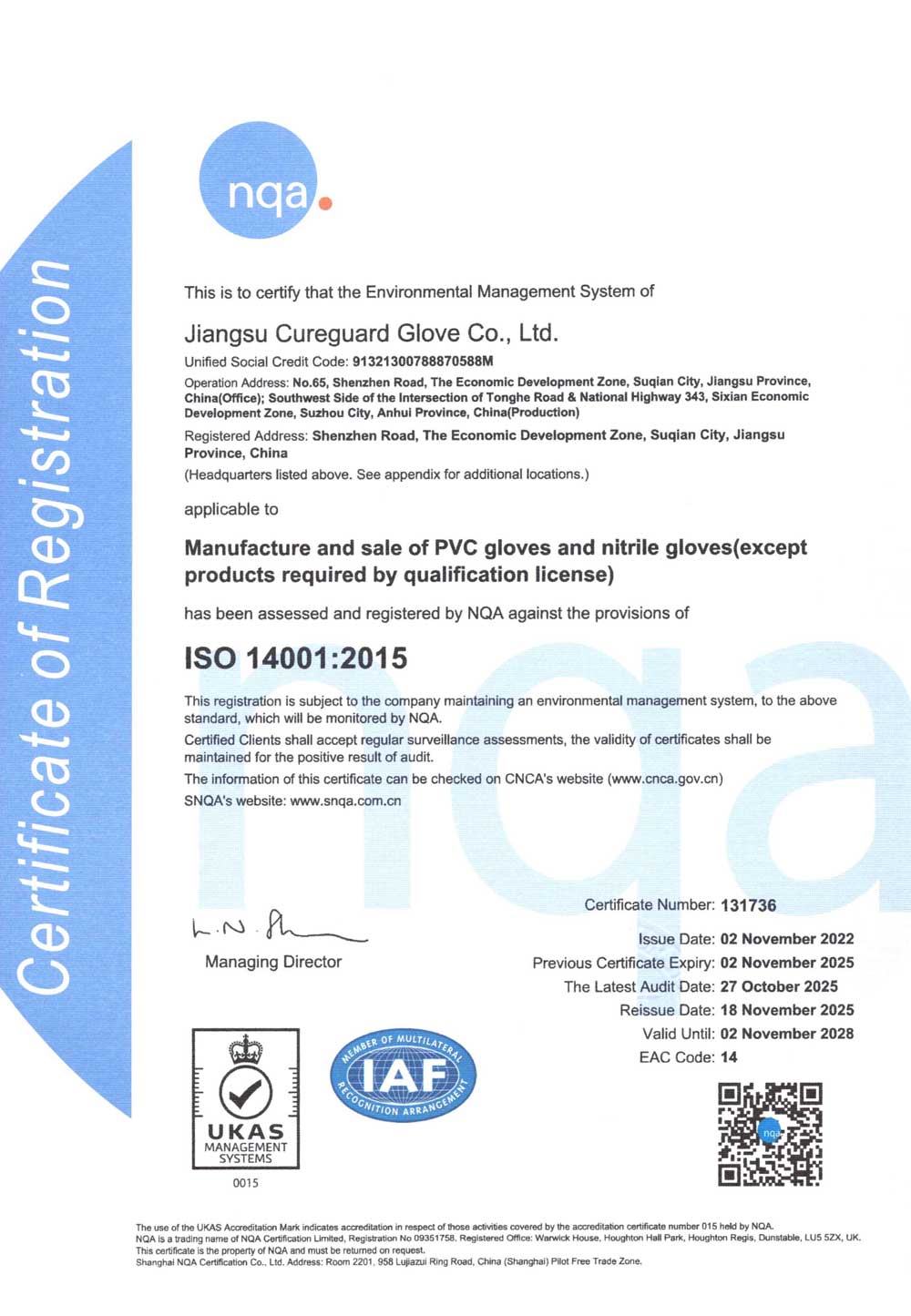
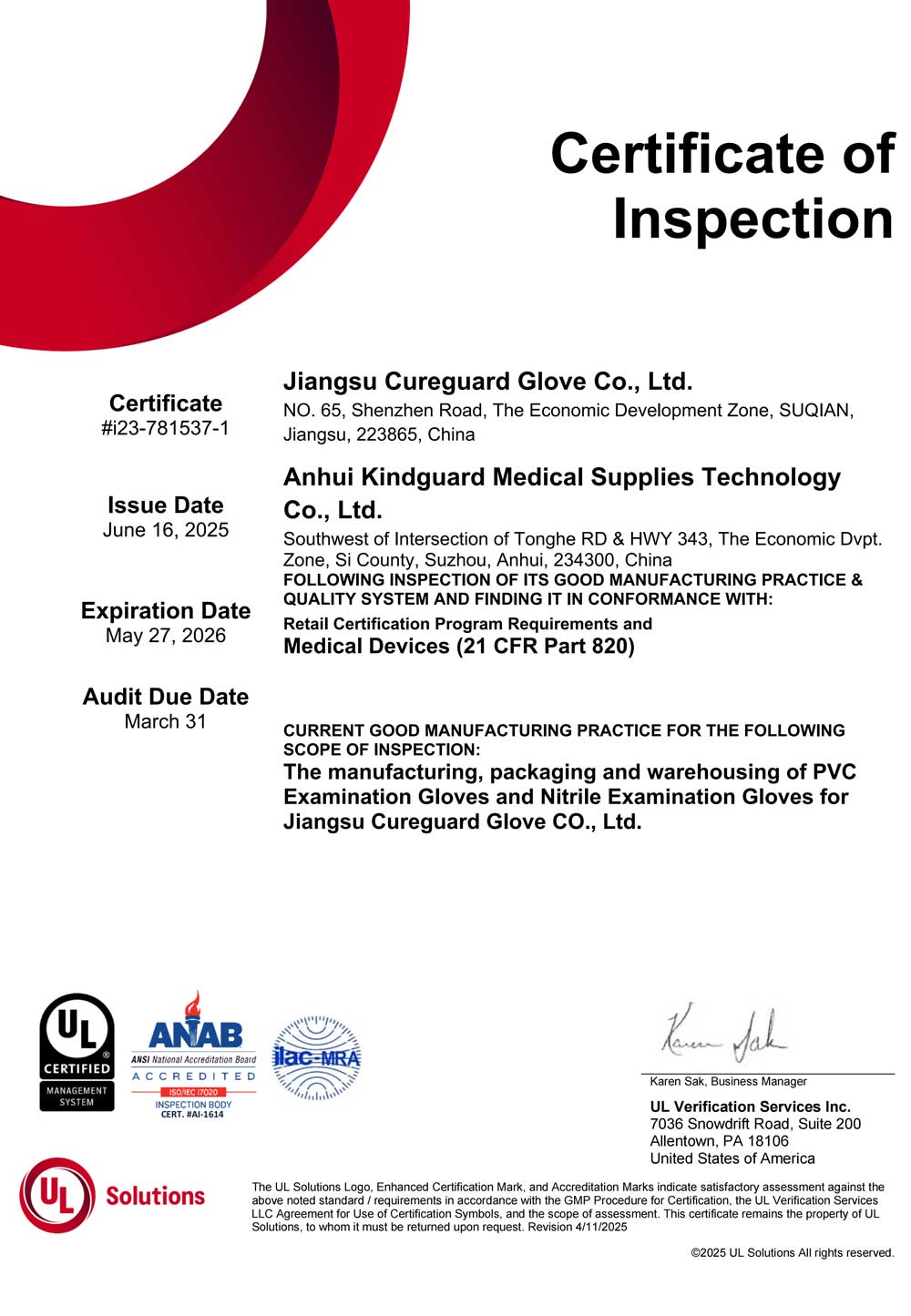
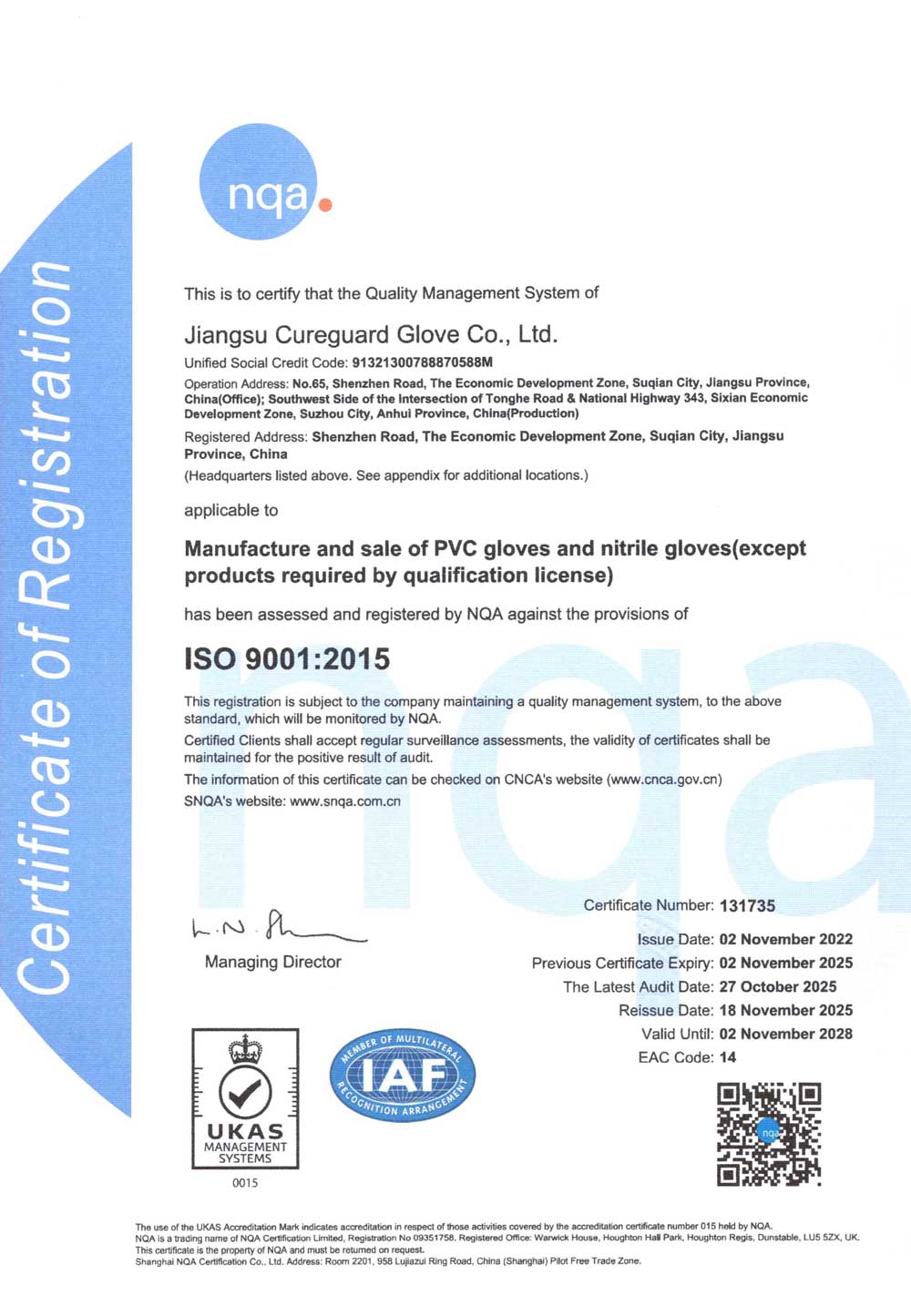
Established in 2006 and headquartered in Jiangsu Province, China, Cureguard Glove Group has specialized in advanced glove manufacturing for over 20 years. As industrial demands have shifted towards high-tech synthetic materials, our manufacturing processes have evolved to meet the stringent requirements of global industrial maintenance and mechanic sectors.
We own over 60 highly automated production lines dedicated to disposable vinyl and nitrile gloves, alongside reusable protective gear. With an annual output exceeding 10 billion pieces, we supply robust, chemical-resistant hand protection to customers in more than 100 countries and regions worldwide. We roll out different series of products to address various routine and extreme scenario needs, ensuring that whether you are in an electronics cleanroom or a heavy-duty automotive garage, your hands are protected.



In the automotive repair industry, a mechanic's hands are their most valuable tools. Nitrile exam gloves designed for this sector are engineered to withstand prolonged exposure to hydrocarbons. When changing oil, replacing brake pads, or handling carburetors, mechanics are exposed to carcinogenic fluids. High-quality nitrile acts as a second skin, preventing these toxins from being absorbed into the bloodstream. Furthermore, the inherent puncture resistance of nitrile protects against sharp metal shavings, frayed wire cables, and jagged engine blocks, significantly reducing the occurrence of minor lacerations that can lead to severe infections.
The aerospace sector requires an even higher degree of precision. Maintenance crews working on aircraft engines or avionics systems must prevent foreign object debris (FOD) and skin oils from contaminating sensitive components. Nitrile gloves provide a powder-free, lint-free environment. Their anti-static properties make them ideal for handling delicate electronic control units (ECUs) without the risk of electrostatic discharge (ESD) damaging the microchips.
HVAC technicians and heavy machinery operators face unique challenges, including handling refrigerants, industrial lubricants, and working in extreme temperature variations. Nitrile gloves offer a superior thermal barrier compared to latex, and their high tensile strength ensures they do not tear when stretched over large hands or pulled against the rough threads of industrial piping and ductwork.
In manufacturing environments where chemical washdowns and solvent-based parts cleaning are daily routines, the chemical degradation resistance of nitrile is unmatched. Workers can safely submerge their hands in degreasers, acetone, and industrial bleach solutions. The raised diamond texture often incorporated into these gloves channels liquids away, ensuring a vice-like grip on wet, slippery tools, thereby preventing dangerous drops and mechanical accidents.
While our nitrile technology is heavily utilized in mechanics and industrial maintenance, its core formulation provides exceptional safety across multiple critical sectors.

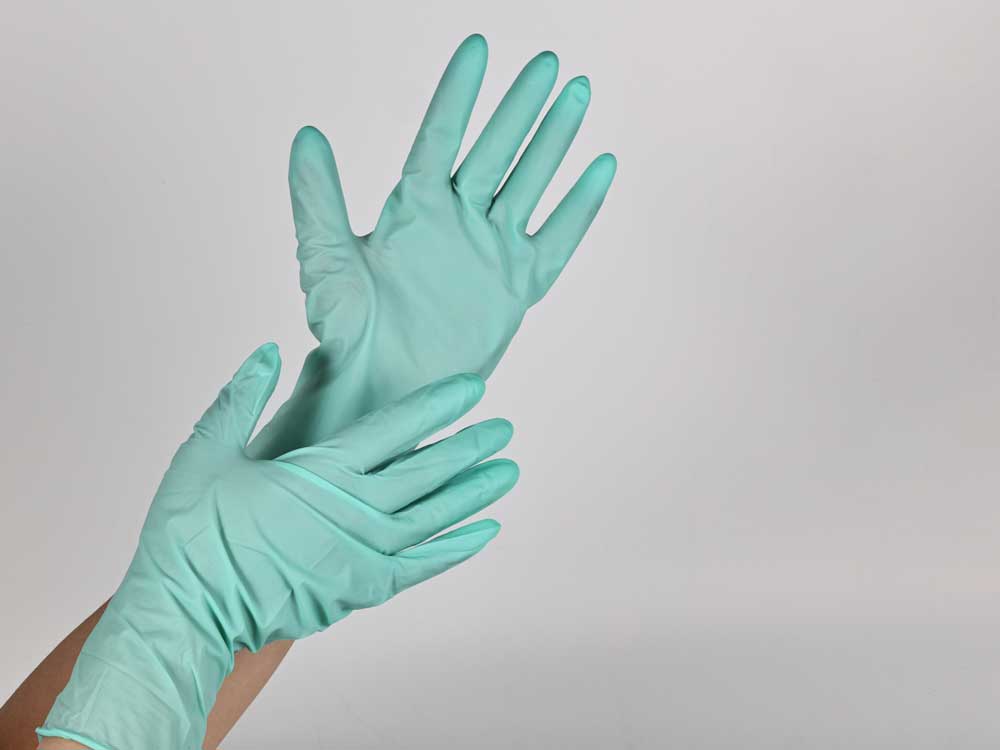
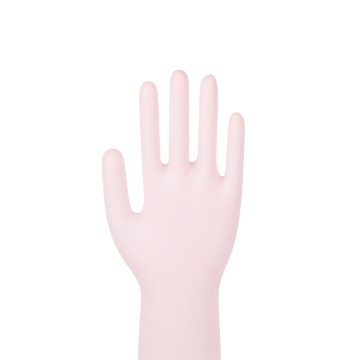
High tactile sensitivity for delicate tasks and inspections.
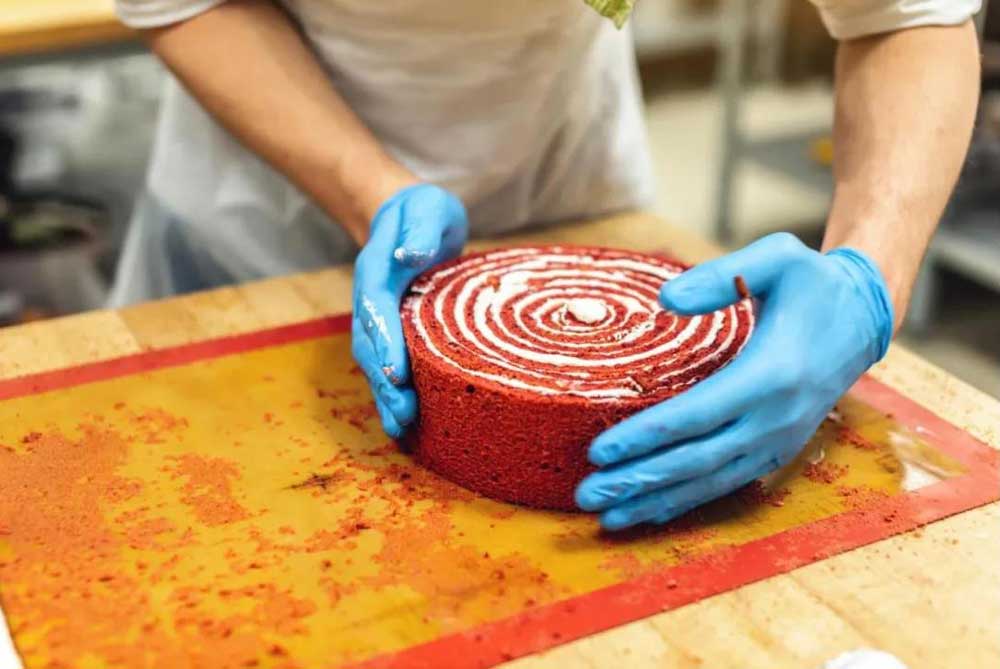
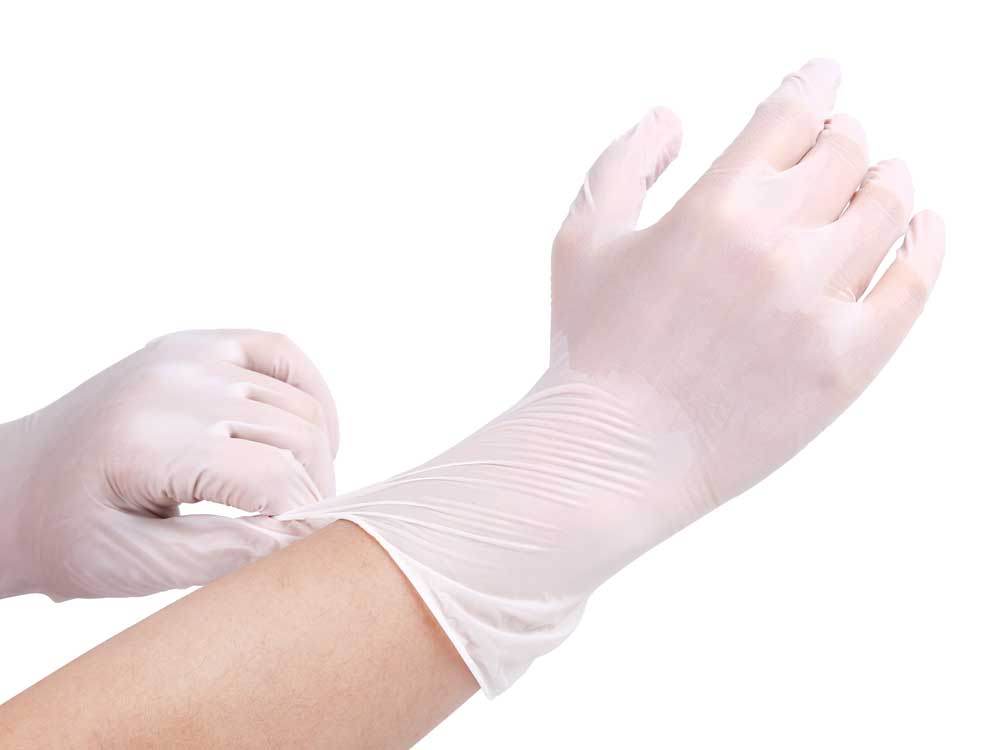
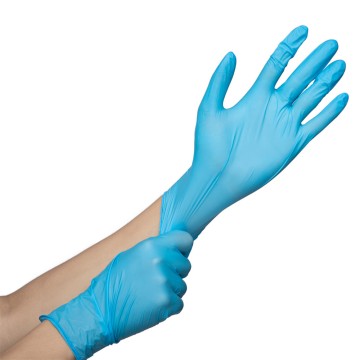
Non-toxic, powder-free barrier for safe material handling.
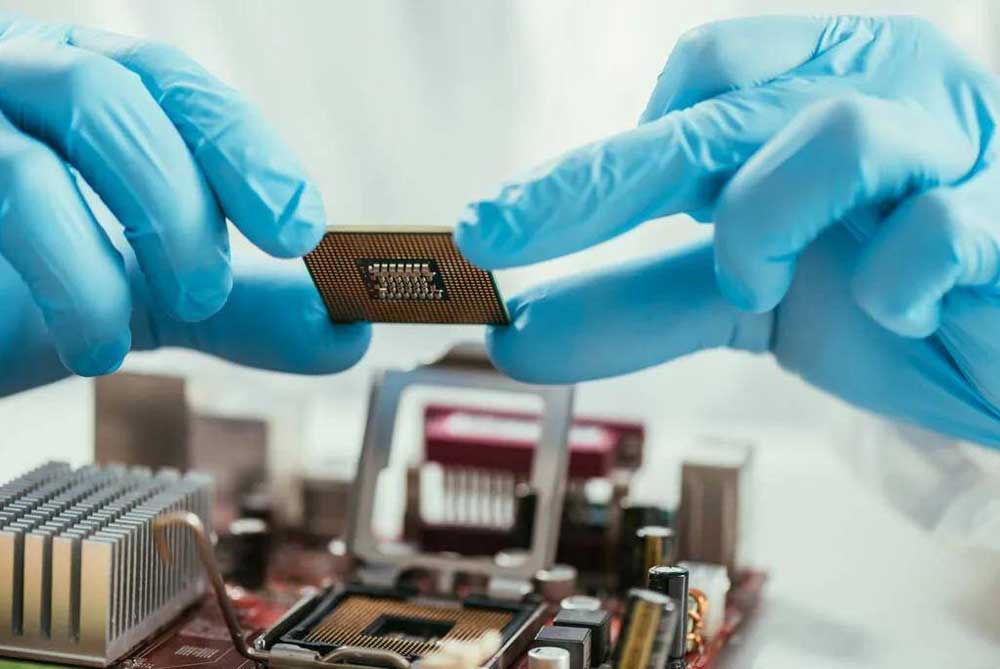
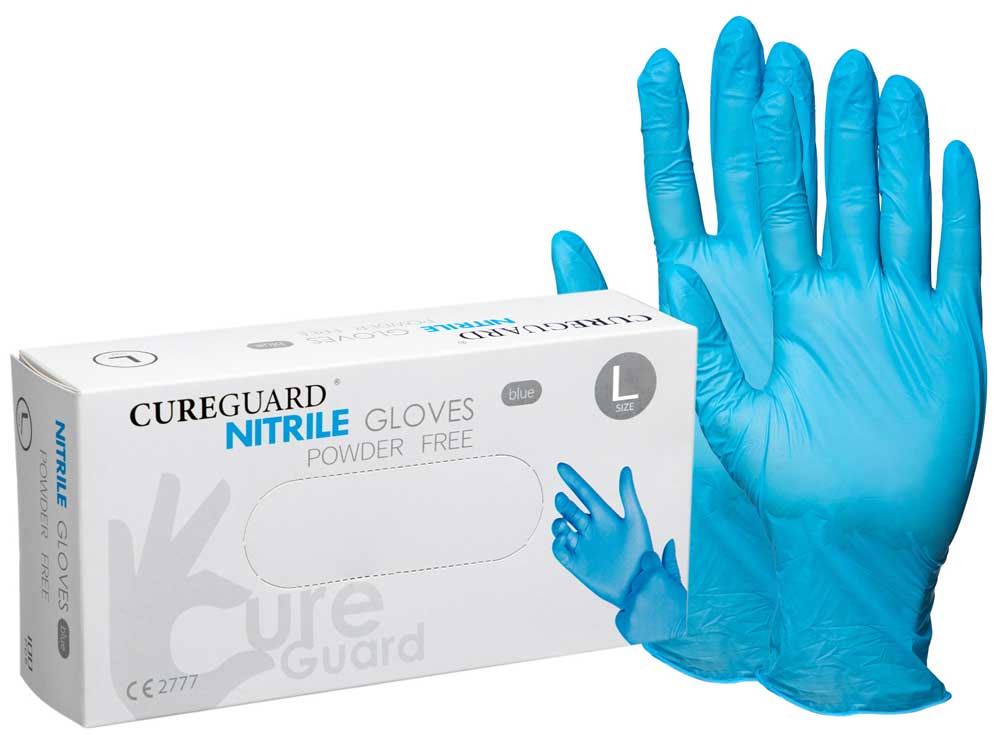
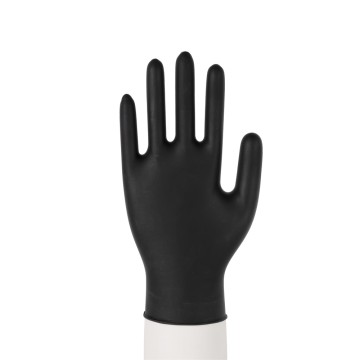
Maximum puncture and chemical resistance for mechanics.

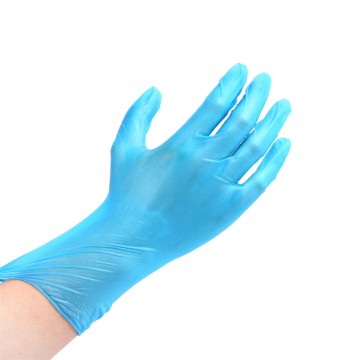
Durable protection for janitorial and routine facility care.
The future of Nitrile Exam Gloves For Industrial Maintenance And Mechanics is deeply intertwined with technological advancements. As industries push towards Industry 4.0, the manufacturing of PPE is adopting Artificial Intelligence (AI) and machine learning. AI-driven quality control systems in factories like ours utilize advanced computer vision to detect microscopic pinholes or inconsistencies in the glove's polymer matrix before they ever leave the production line. This guarantees a zero-defect rate, a crucial metric when a single pinhole can lead to severe chemical exposure for a mechanic.
Another significant trend is the development of eco-friendly, biodegradable nitrile. Historically, the massive consumption of disposable gloves in industrial garages contributed heavily to landfills. However, new proprietary organic additives are being introduced into the nitrile formulation. These additives attract microbes once the glove is disposed of in a biologically active landfill, allowing the glove to break down in years rather than centuries, without compromising its shelf life or chemical resistance during use.
Innovations are also leading to multi-layered gloves with built-in wear indicators. For instance, a glove might have a dark blue exterior and a bright orange interior. If a mechanic snags the glove on a sharp engine component, the bright orange layer becomes immediately visible, signaling that the barrier is breached and it is time to replace the glove. This visual safety mechanism is becoming a mandatory requirement in high-risk chemical handling and heavy machinery maintenance.