
Leave Your Message
-
Contact Phone
-
 Contact Email
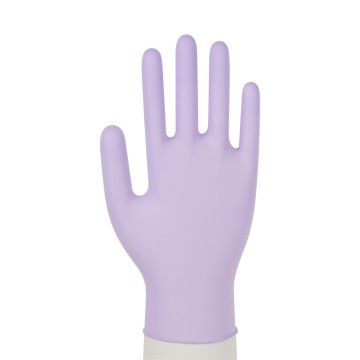
Advanced AI-driven manufacturing ensuring ultimate protection, tactile sensitivity, and chemical resistance for critical environments.
Discover our top-tier nitrile solutions engineered for precise laboratory research and rigorous chemical handling.
The global market for nitrile cleaning gloves, particularly those engineered for laboratory research and chemical safety, has experienced an unprecedented paradigm shift over the last decade. Historically viewed as a specialized commodity, nitrile butadiene rubber (NBR) gloves have now become the universal gold standard across scientific, medical, and industrial sectors. This surge is primarily driven by the escalating awareness of latex allergies (Type I hypersensitivity) and the stringent regulatory frameworks mandated by occupational safety organizations worldwide, such as OSHA in the United States and the European Agency for Safety and Health at Work (EU-OSHA).
Commercially, the industry has transitioned from fragmented regional manufacturing to highly consolidated, technologically advanced mega-facilities. The integration of artificial intelligence (AI) in the supply chain has optimized raw material procurement, predictive maintenance of dipping lines, and global distribution logistics. As industries expand their research and development (R&D) capabilities, the demand for specialized, high-tensile, and chemical-resistant nitrile gloves is projected to grow at a compound annual growth rate (CAGR) of over 9% through the next decade. This growth is not merely quantitative but qualitative, with end-users demanding gloves that offer specific barrier properties against complex chemical mixtures and biohazardous agents.
In the realm of laboratory research, the margin for error is non-existent. Nitrile gloves serve as the critical interface between the researcher and potentially volatile or hazardous environments.
In high-performance liquid chromatography (HPLC) and gas chromatography (GC), researchers handle harsh solvents like acetonitrile, methanol, and hexane. Nitrile gloves provide an exceptional barrier against these organic solvents, preventing dermal absorption. Furthermore, high-quality nitrile gloves are manufactured to be powder-free and undergo extensive washing processes to ensure low particulate counts, preventing the contamination of sensitive samples and maintaining the integrity of analytical results.
When extracting DNA/RNA or performing PCR assays, cross-contamination is the greatest threat. Nitrile gloves offer superior puncture resistance compared to latex or vinyl, crucial when handling micropipettes, glass slides, and sharp instruments. Their synthetic nature ensures there are no natural rubber proteins that could interfere with biological assays. Additionally, textured fingertips enhance grip precision, allowing scientists to handle microcentrifuge tubes with absolute dexterity.
Laboratories dealing with infectious agents (BSL-2 and BSL-3 environments) require robust personal protective equipment (PPE). Nitrile gloves act as an impermeable shield against bloodborne pathogens, viruses, and bacteria. Extended cuff designs provide overlapping protection with lab coats, ensuring no skin is exposed during the transfer of hazardous biological materials. The high tensile strength of nitrile ensures the glove remains intact even under mechanical stress during rigorous experimental procedures.
The fundamental superiority of nitrile gloves in chemical safety lies in their molecular structure. Nitrile is a copolymer synthesized from acrylonitrile and butadiene. The acrylonitrile content directly correlates with the glove's chemical resistance—the higher the percentage, the stronger the barrier against oils, fuels, and corrosive chemicals. Conversely, the butadiene component provides flexibility and tear resistance. This unique polymer matrix makes nitrile the definitive choice for industries handling aliphatic hydrocarbons, weak acids, and alkalis.
In heavy industrial settings, such as petrochemical refining, automotive manufacturing, and chemical synthesis plants, workers are routinely exposed to hazardous substances. Nitrile gloves designed for these environments undergo rigorous permeation and degradation testing. Permeation refers to the chemical passing through the glove at a molecular level, while degradation involves the physical deterioration of the glove material. Premium nitrile gloves are engineered to delay breakthrough times significantly, providing workers with a crucial safety window to wash off accidental chemical splashes without sustaining chemical burns or systemic toxicity.
Furthermore, the integration of AI-driven quality control in modern manufacturing plants ensures that every batch of gloves meets microscopic thickness consistency. AI visual inspection systems scan gloves for pinholes as small as a few microns, guaranteeing an Acceptable Quality Level (AQL) of 1.5 or lower. This technological leap ensures that the gloves deployed in high-risk chemical environments are virtually flawless, mitigating the risk of occupational hazards.
One of the most significant challenges facing the disposable PPE industry is environmental impact. Billions of nitrile gloves end up in landfills annually. However, the future trend is shifting rapidly towards sustainability. Innovators are now introducing biodegradable nitrile gloves. By incorporating proprietary organic additives into the NBR formulation, these gloves attract microbial activity once disposed of in an active landfill environment. This allows the synthetic rubber to break down into biogas and inert humus in a matter of years, rather than centuries, without compromising the glove's shelf life or chemical resistance during use.
Beyond chemical protection, the physical well-being of the user is becoming a focal point. Prolonged use of poorly fitting gloves can lead to hand fatigue, reduced dexterity, and even repetitive strain injuries (RSI) or carpal tunnel syndrome. Modern nitrile gloves are being designed with thermo-responsive properties. Upon donning, the material reacts to body heat, conforming perfectly to the unique contours of the user's hand. This "custom fit" reduces the force required to bend the fingers, significantly lowering muscle exertion during prolonged laboratory pipetting or intricate chemical handling tasks. The future of laboratory safety is not just about the barrier; it's about harmonizing protection with human biomechanics.
Established in 2006 and headquartered in Jiangsu Province, China, Cureguard Glove Group is specialized in glove manufacturing for over 20 years.
We own over 60 production lines dedicated to disposable vinyl and nitrile gloves, and reusable vinyl gloves with an annual output exceeding 10 billion pieces. We supply various kinds of gloves to customers in more than 100 countries and regions worldwide.
We roll out different series of products to address various routine scenario needs, such as medical examination, food contact, electronic industry, laboratory research, and household use.
Click View More



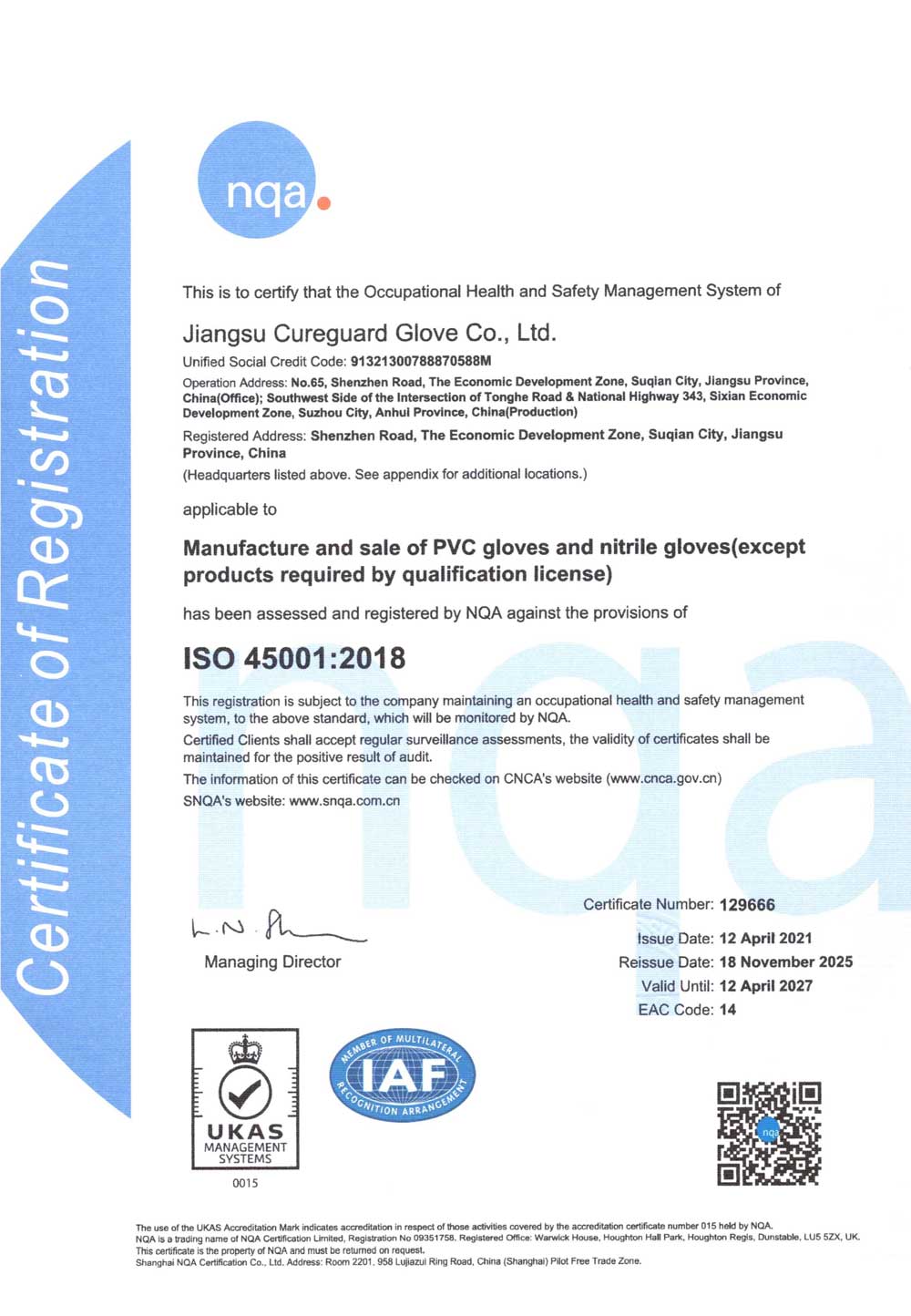
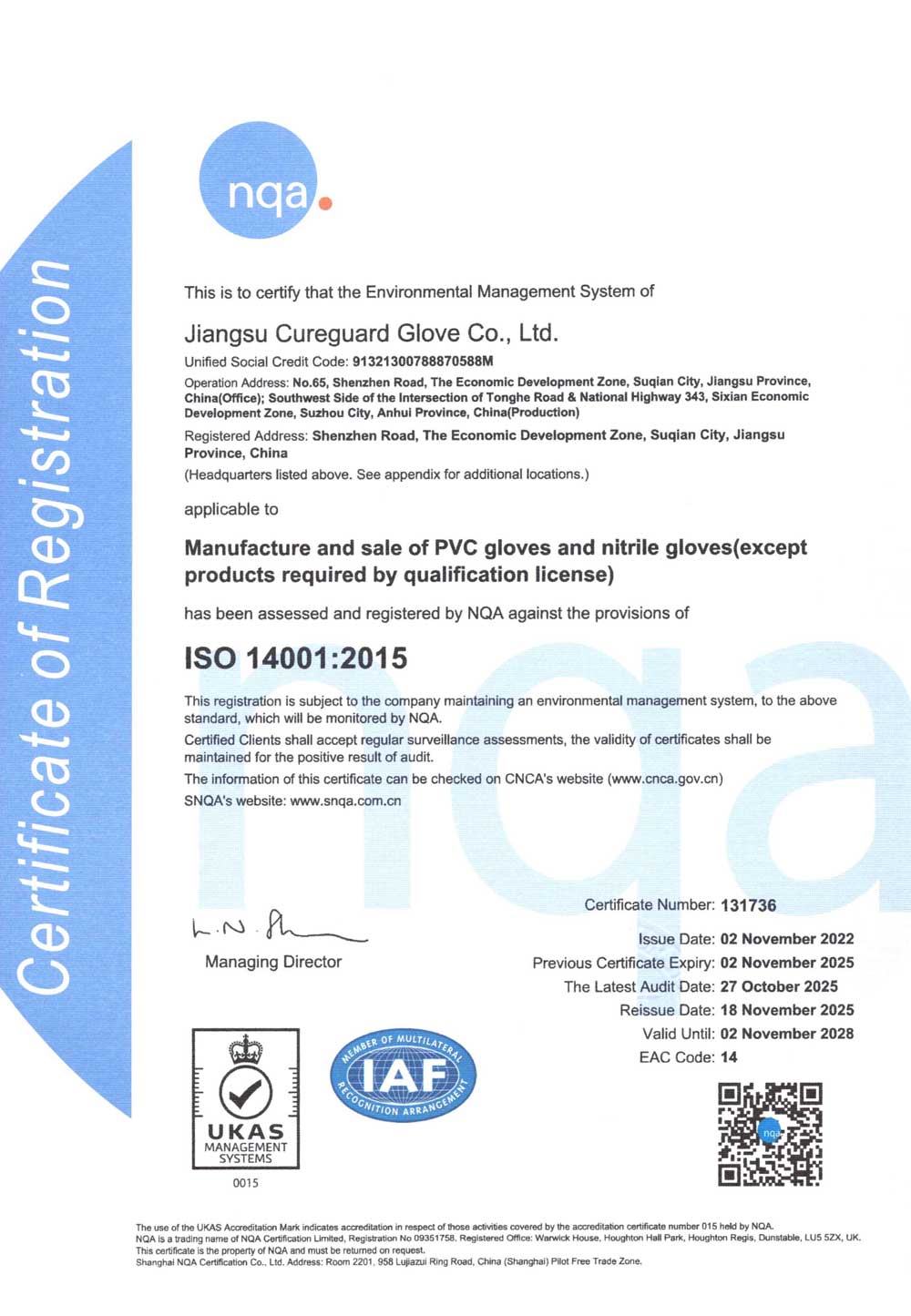
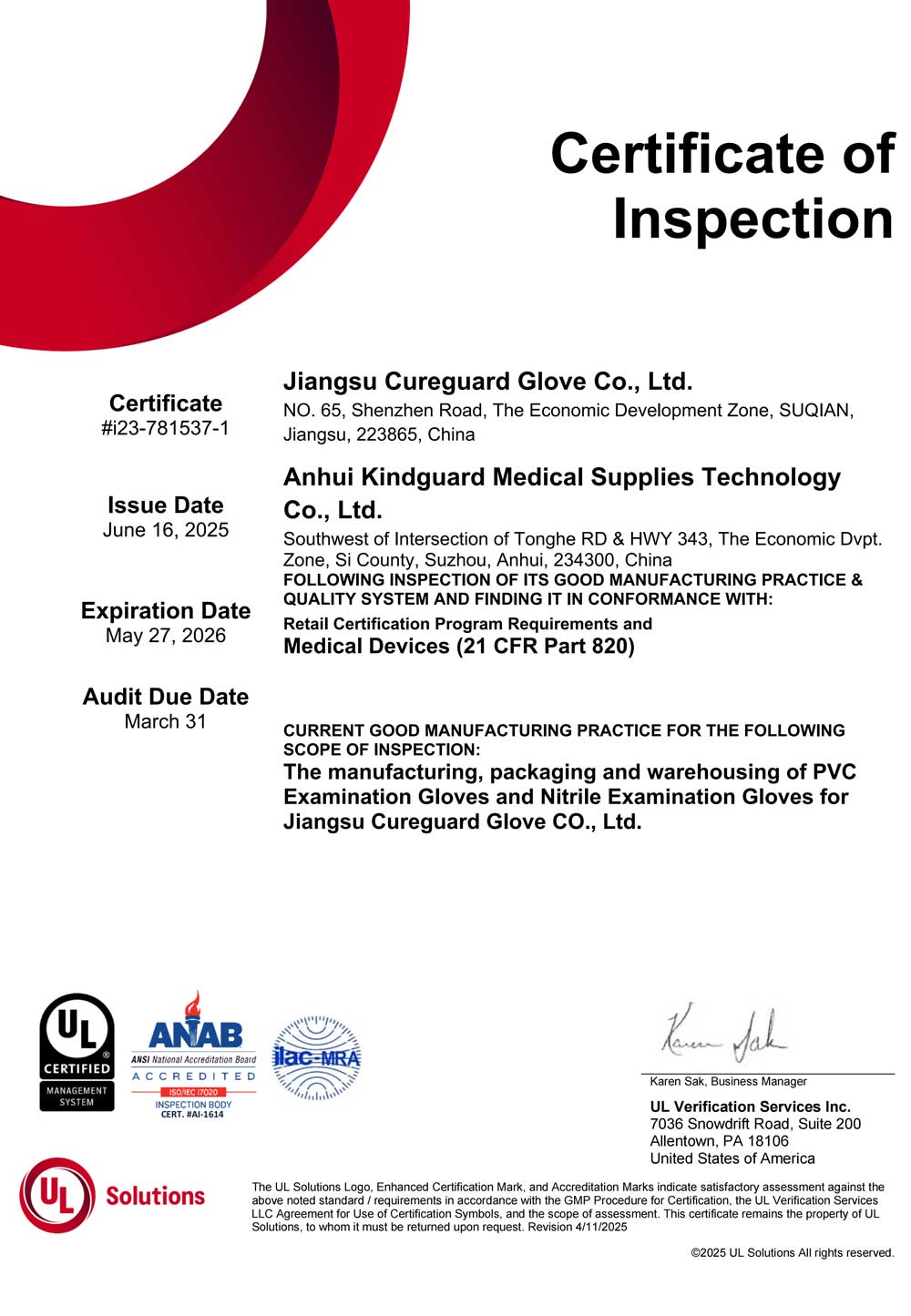
Our commitment to quality is backed by international certifications, ensuring top-tier safety for laboratory and chemical applications.
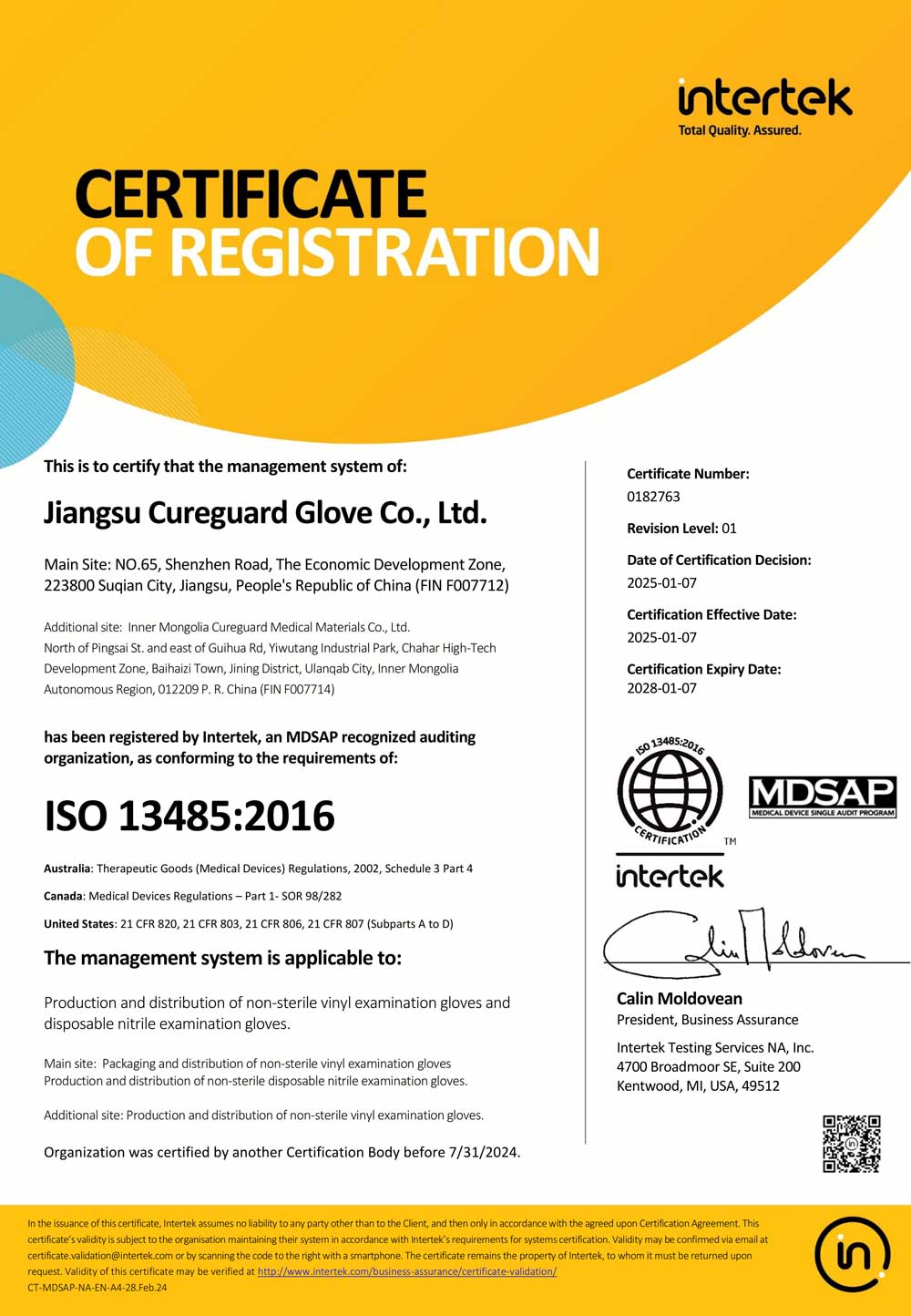
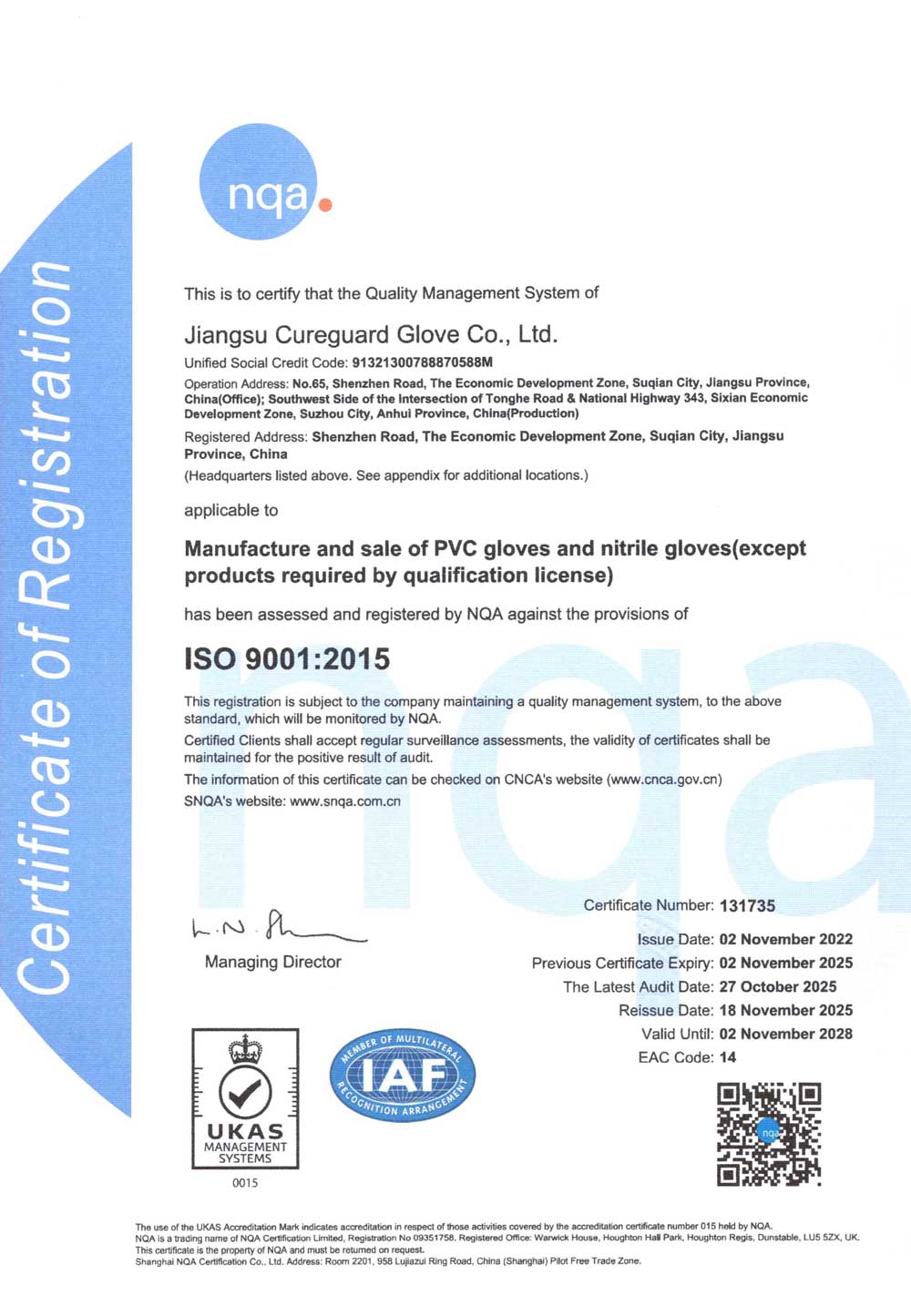
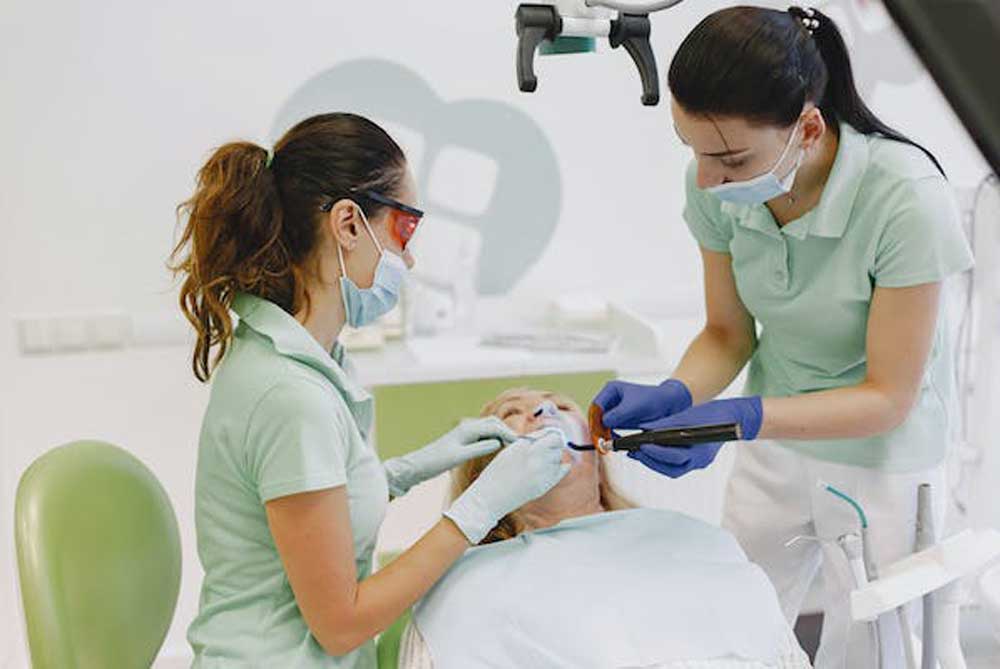
Essential barrier protection for healthcare professionals during diagnostics and patient care.
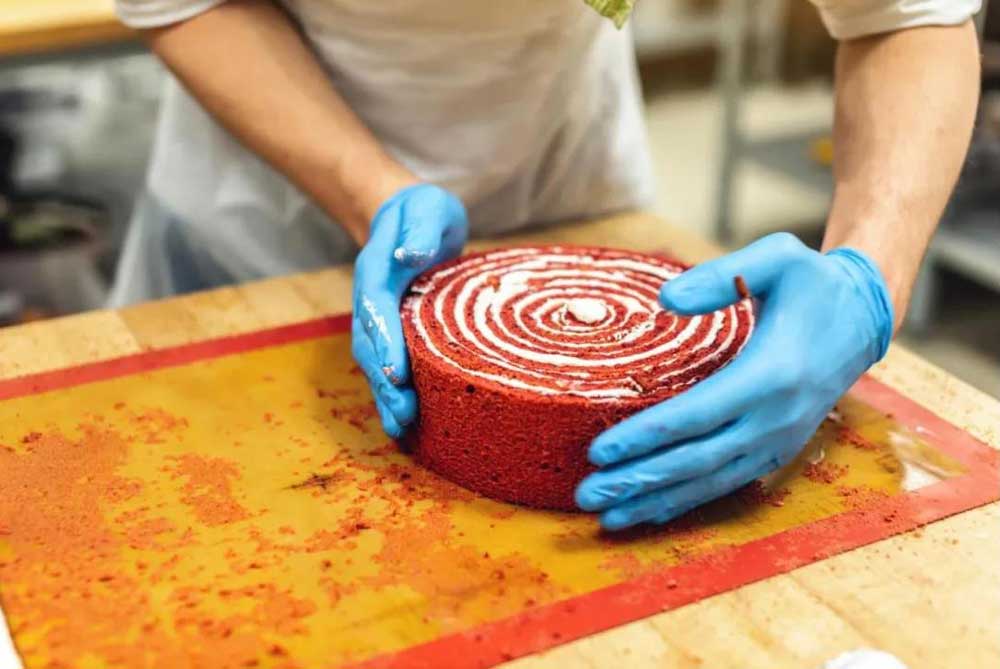
Food-safe certified gloves preventing cross-contamination in culinary and industrial food prep.
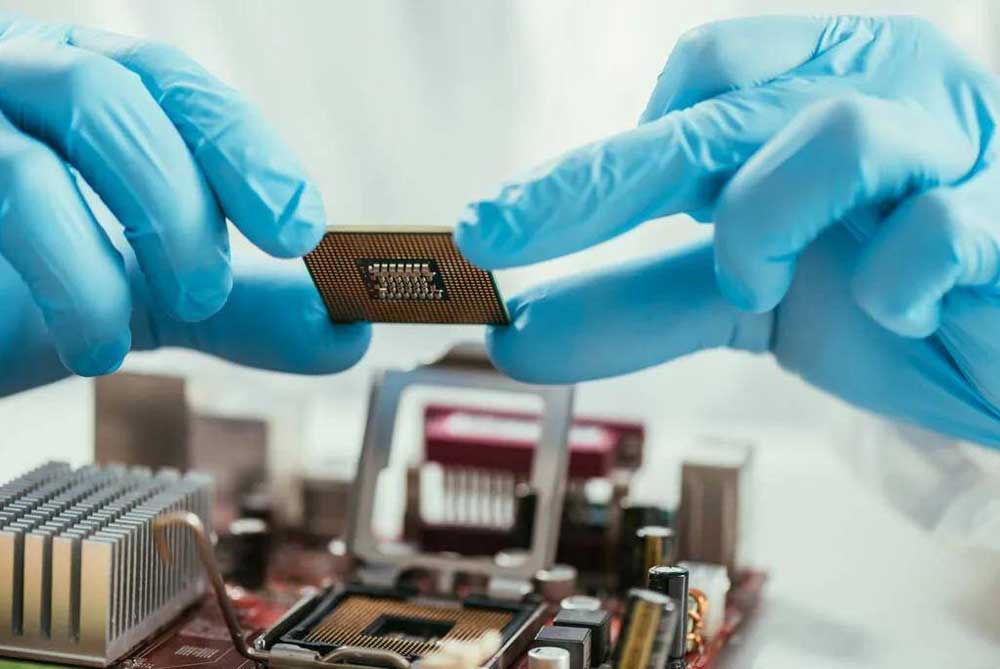
Robust defense against harsh chemicals, oils, and abrasions in manufacturing sectors.
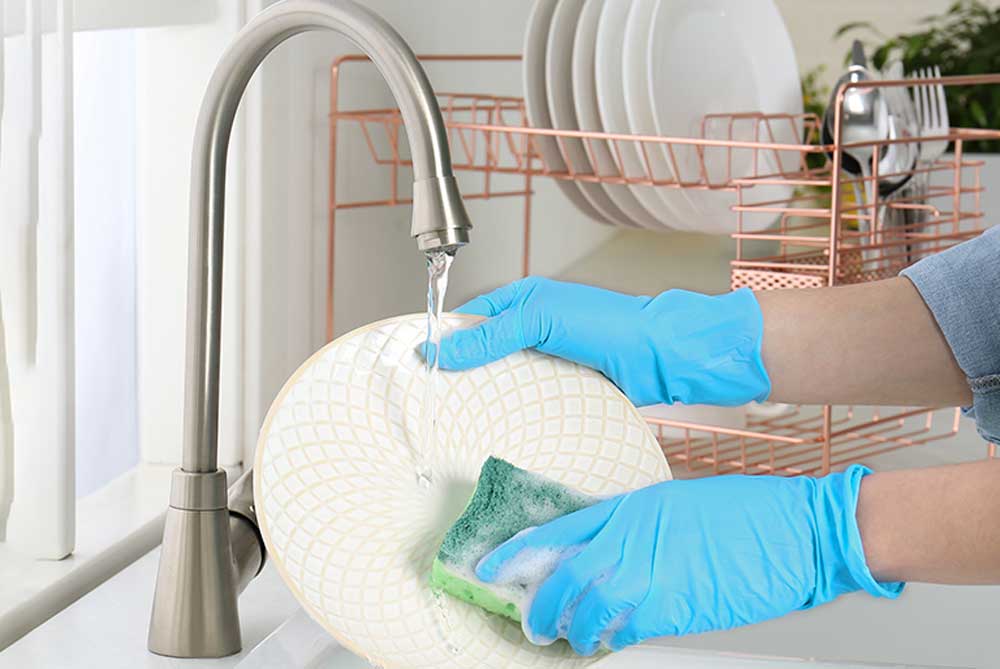
In home life or lab settings, hygiene and convenience are equally important when handling ingredients or chemicals.
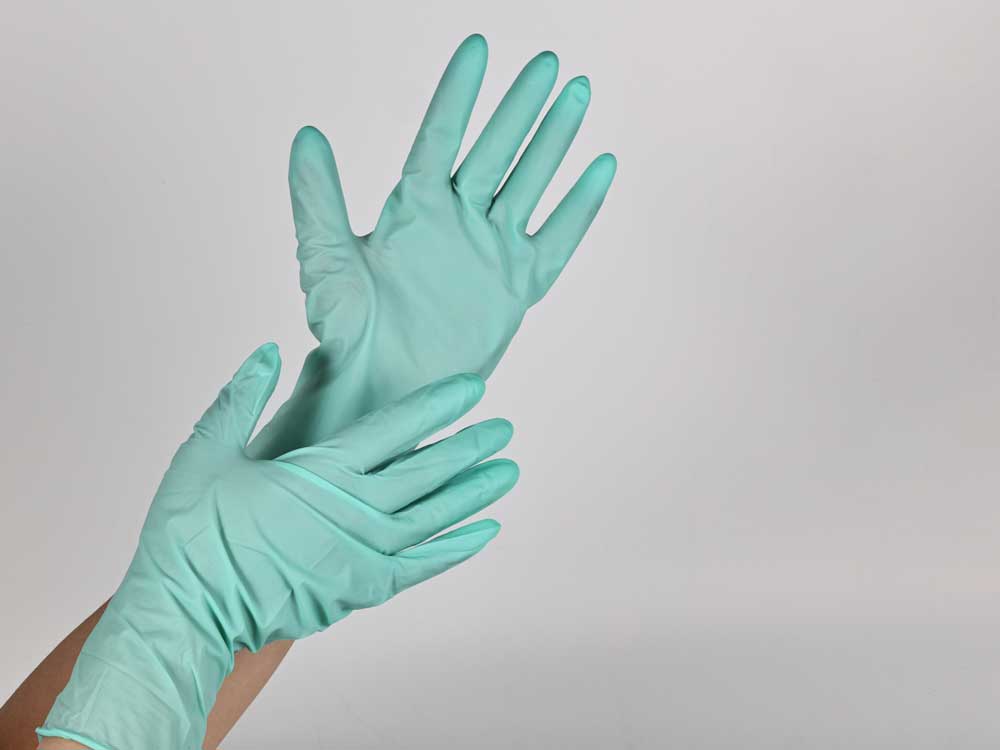
Medical staff wear nitrile gloves during surgery to prevent bacterial cross-infection. In the scientific community, proper donning is critical...
February 02, 2026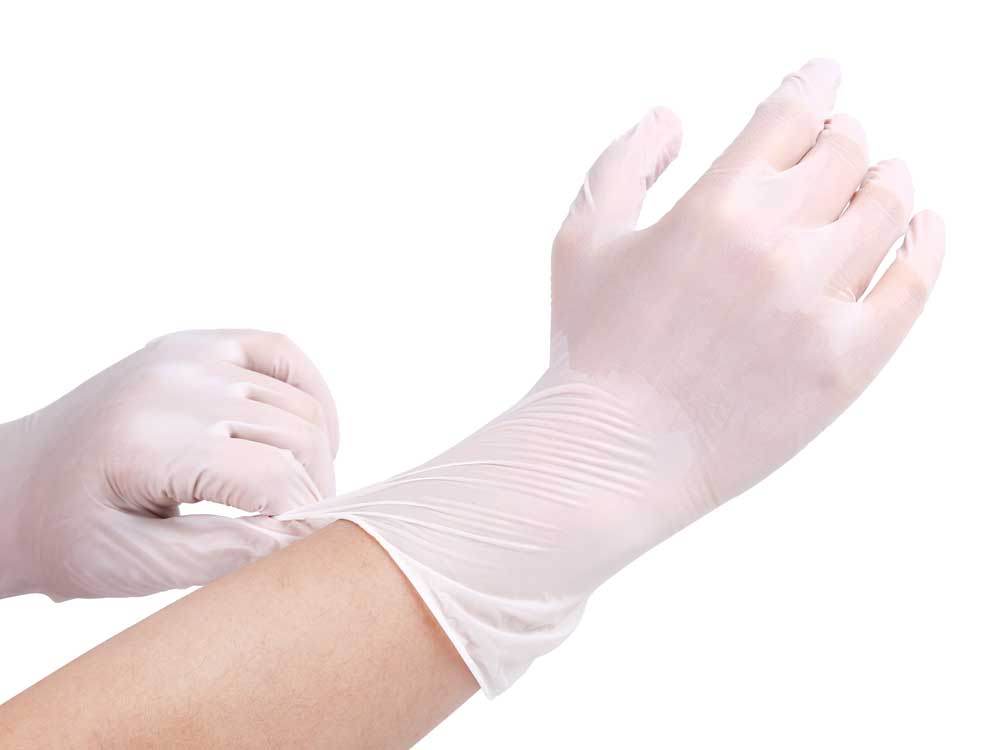
In the field of processing, hand contact is one of the primary risk points for cross-contamination. Understanding material limits is key...
February 02, 2026
With the growing awareness of safety protection, the demand for protective equipment is showing unprecedented growth across laboratories...
February 02, 2026Explore our full range of disposable and reusable gloves engineered for maximum safety and performance.