
Leave Your Message
-
Contact Phone
-
 Contact Email
Advanced AI-driven manufacturing meets heavy-duty industrial protection. Discover why medical-grade tactile sensitivity and robust chemical resistance are revolutionizing the mechanics and industrial maintenance sectors.
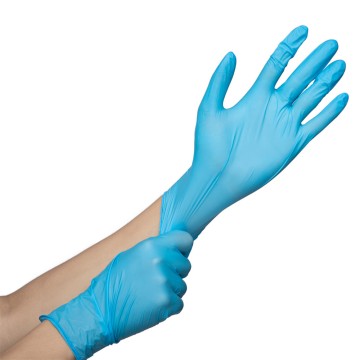
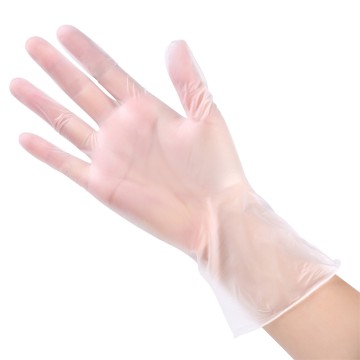
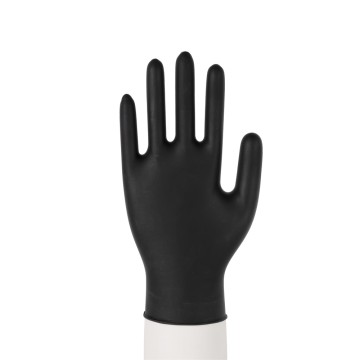
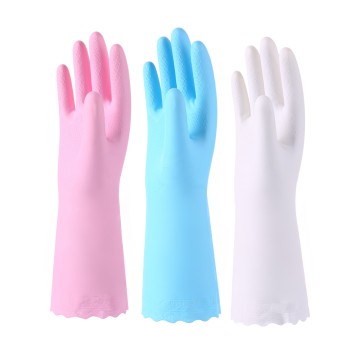
The intersection of medical-grade hand protection and heavy-duty industrial maintenance has created a massive paradigm shift in the commercial safety equipment market. Historically, mechanics and industrial maintenance workers relied heavily on thick leather, canvas, or heavy rubber gloves. While these materials offered basic abrasion resistance, they completely compromised tactile sensitivity—a crucial requirement for modern precision engineering, automotive diagnostics, and intricate machinery repair.
Today, the global demand for Medicine Gloves For Industrial Maintenance And Mechanics is skyrocketing. Facilities are adopting high-mil nitrile and vinyl gloves, originally designed for medical examinations, to provide workers with an impenetrable barrier against harsh chemicals, synthetic oils, brake fluids, and industrial solvents. From a commercial standpoint, businesses are realizing that investing in premium disposable and reusable medical-grade gloves reduces workplace injuries, decreases the time spent cleaning hands, and significantly boosts overall operational efficiency.
This crossover trend is driven by the rapid advancement in synthetic rubber manufacturing. Modern production lines, such as those utilizing AI-monitored dipping technologies, have allowed manufacturers to create nitrile gloves that are thinner yet remarkably stronger than their predecessors. This means an automotive technician can easily handle microscopic screws, feel thread engagements, and operate touchscreen diagnostic tools without ever exposing their skin to carcinogenic engine fluids.
Established in 2006 and headquartered in Jiangsu Province, China, Cureguard Glove Group is specialized in glove manufacturing for over 20 years. We own over 60 production lines dedicated to disposable vinyl and nitrile gloves, and reusable vinyl gloves with an annual output exceeding 10 billion pieces. We supply various kinds of gloves to customers in more than 100 countries and regions worldwide.
We roll out different series of products to address various routine scenario needs, such as medical examination, food contact, electronic industry, and heavy-duty industrial maintenance.



When discussing Medicine Gloves For Industrial Maintenance And Mechanics, it is vital to dissect the specific scenarios where these protective barriers outperform traditional gear. The industrial sector is vast, encompassing everything from automotive repair to aerospace engineering. In each of these sub-sectors, the physical demands placed on the human hand are extreme.
In the automotive world, mechanics are constantly exposed to a cocktail of hazardous substances: used motor oil, transmission fluid, brake cleaners, and antifreeze. Traditional cloth gloves soak up these liquids, holding toxic chemicals directly against the skin. Medical-grade nitrile gloves, specifically formulated for high tensile strength, provide an absolute barrier. Furthermore, the micro-roughened textures often found on the fingertips of these gloves allow mechanics to maintain a secure grip on slick, oil-covered ratchets and miniature engine components.
As factories move towards Industry 4.0, industrial maintenance increasingly involves servicing delicate electronic sensors, PLCs (Programmable Logic Controllers), and robotic components. Here, the glove serves a dual purpose: protecting the worker from minor static shocks and sharp solder points, while simultaneously protecting the sensitive electronic components from the natural oils, salts, and static electricity generated by the human hand. Powder-free medical gloves are the absolute standard in these highly controlled environments.
Aerospace maintenance requires strict adherence to safety protocols. Mechanics working on aircraft use specialized aviation solvents, hydraulic fluids (like Skydrol, which is notoriously harsh on skin), and aviation fuel. The chemical resistance profile of high-grade nitrile gloves makes them indispensable on the hangar floor. The tactile feedback is equally critical; an aviation mechanic must be able to feel the proper seating of an O-ring or the tension of a safety wire, tasks that are impossible in bulky leather gloves.

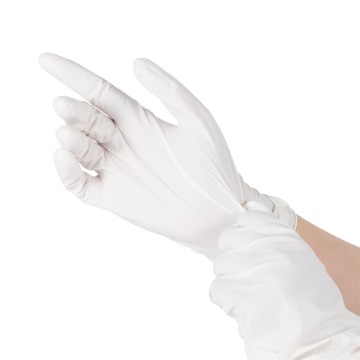
Essential for maintaining sensitive medical and laboratory equipment, ensuring zero contamination and high tactile feedback during intricate repairs.
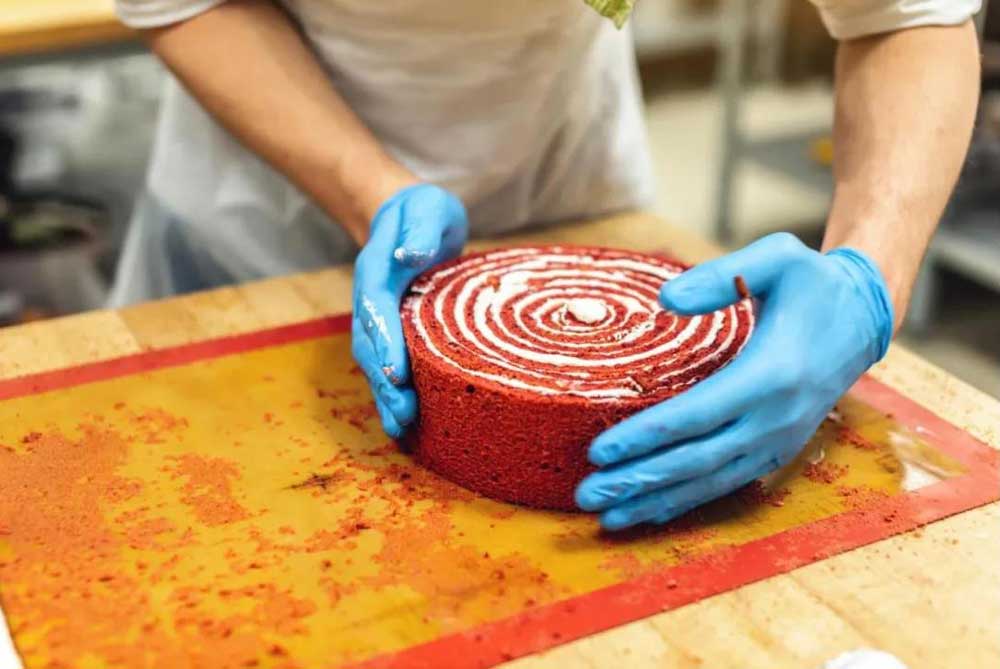
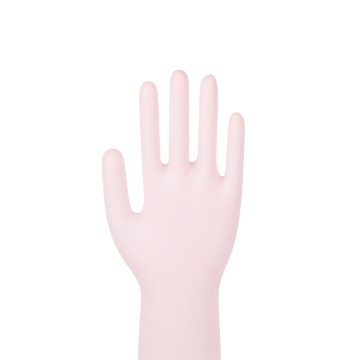
Food-safe protective gloves designed for mechanics servicing industrial food processing lines, preventing cross-contamination.
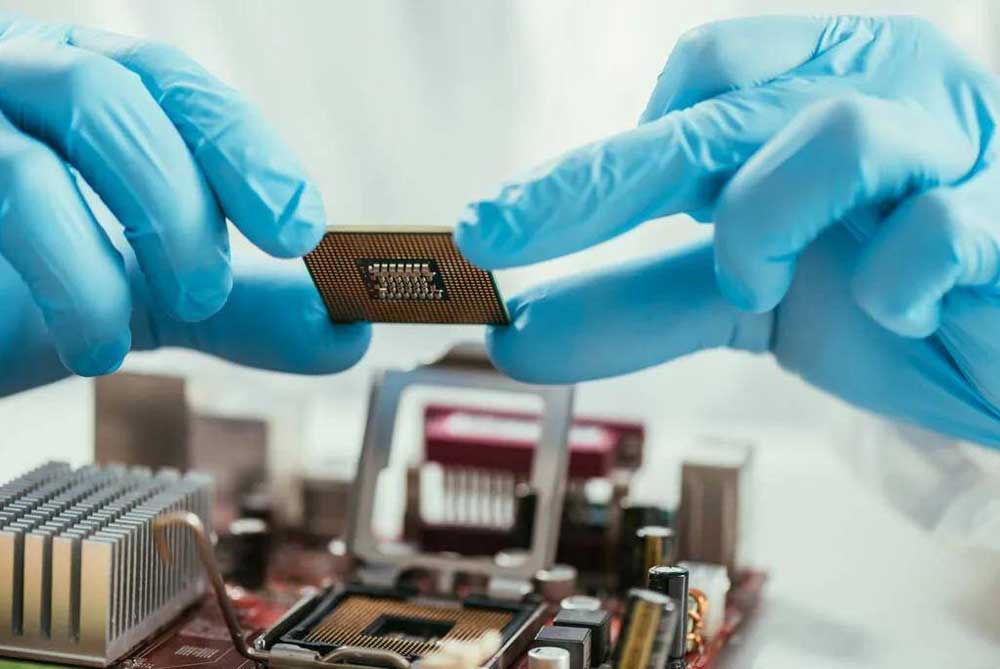
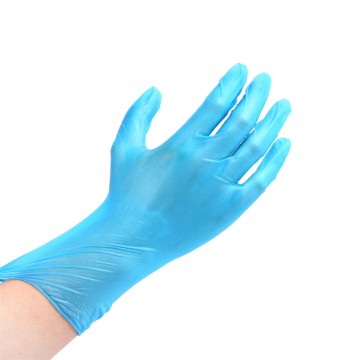
Engineered for harsh environments, protecting against grease, solvents, and abrasions in heavy machinery plants.

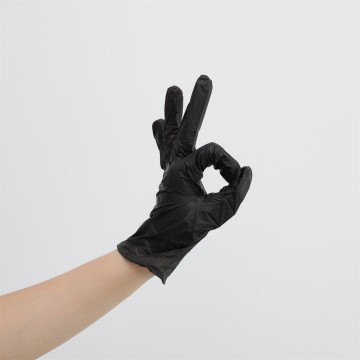
The first line of defense for janitorial, HVAC, and general facility maintenance staff facing daily chemical and biohazard risks.
The manufacturing technology behind Medicine Gloves For Industrial Maintenance And Mechanics is experiencing a renaissance, driven by Artificial Intelligence and advanced polymer chemistry. As industrial safety regulations become increasingly stringent globally, manufacturers are pushing the boundaries of what a disposable glove can achieve.
One of the most significant trends is the development of Diamond-Textured Grip Technology. Traditional medical gloves are smooth or lightly textured at the fingertips. However, for industrial mechanics who work in wet or oily conditions, advanced polymer molding techniques now allow for raised diamond patterns across the palm and fingers. This structure channels oil and grease away from the gripping surface, providing a mechanical hold that rivals heavy-duty reusable gloves, while maintaining the disposable, hygienic nature of a medical glove.
Furthermore, we are witnessing the rise of smart manufacturing. AI-driven quality control systems in factories—like those utilizing high-speed optical sorting and machine learning algorithms—ensure that every single glove produced is free from micro-pinholes. In industrial settings where a pinhole could mean exposure to highly concentrated acids or toxic solvents, this flawless consistency is not just a luxury; it is a life-saving necessity.
Sustainability is also reshaping the market. The industrial sector consumes billions of disposable gloves annually. In response, the industry is rapidly developing biodegradable nitrile technologies. These next-generation gloves maintain their structural integrity and chemical resistance during use, but are designed to break down in biologically active landfills in a fraction of the time it takes traditional synthetic rubber, significantly reducing the carbon footprint of industrial maintenance operations.
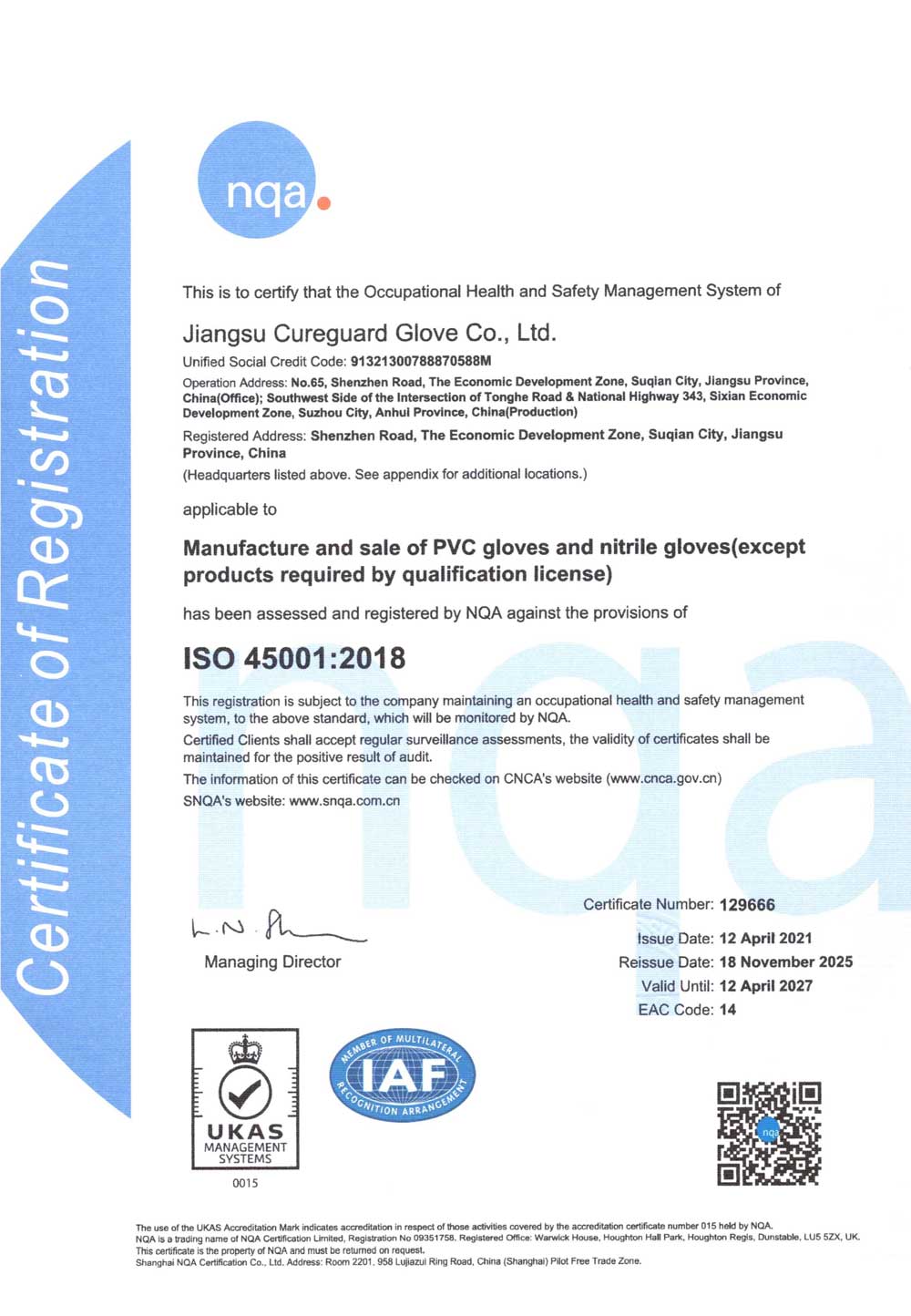
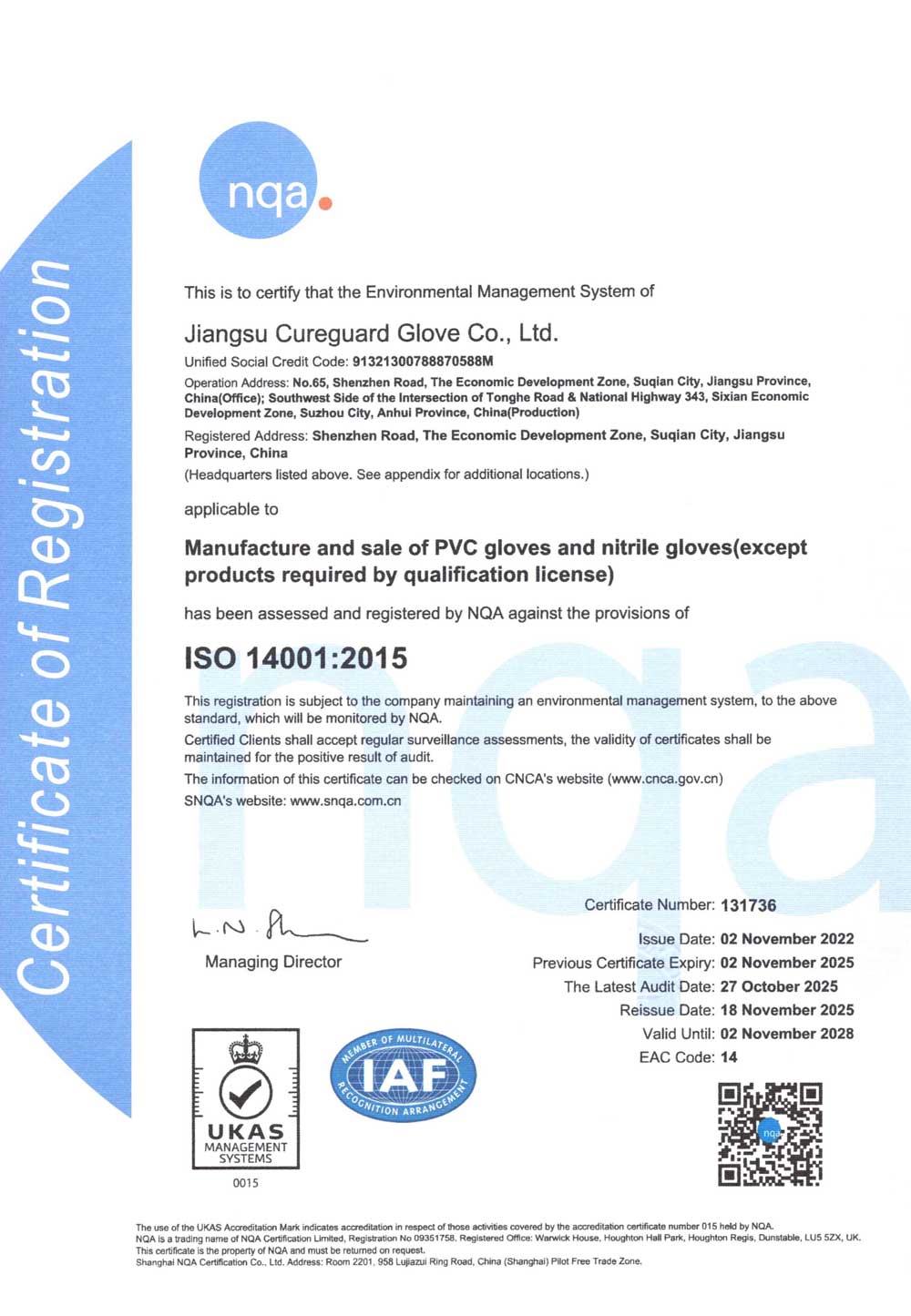
Our commitment to industrial safety and medical-grade quality is backed by international certifications.
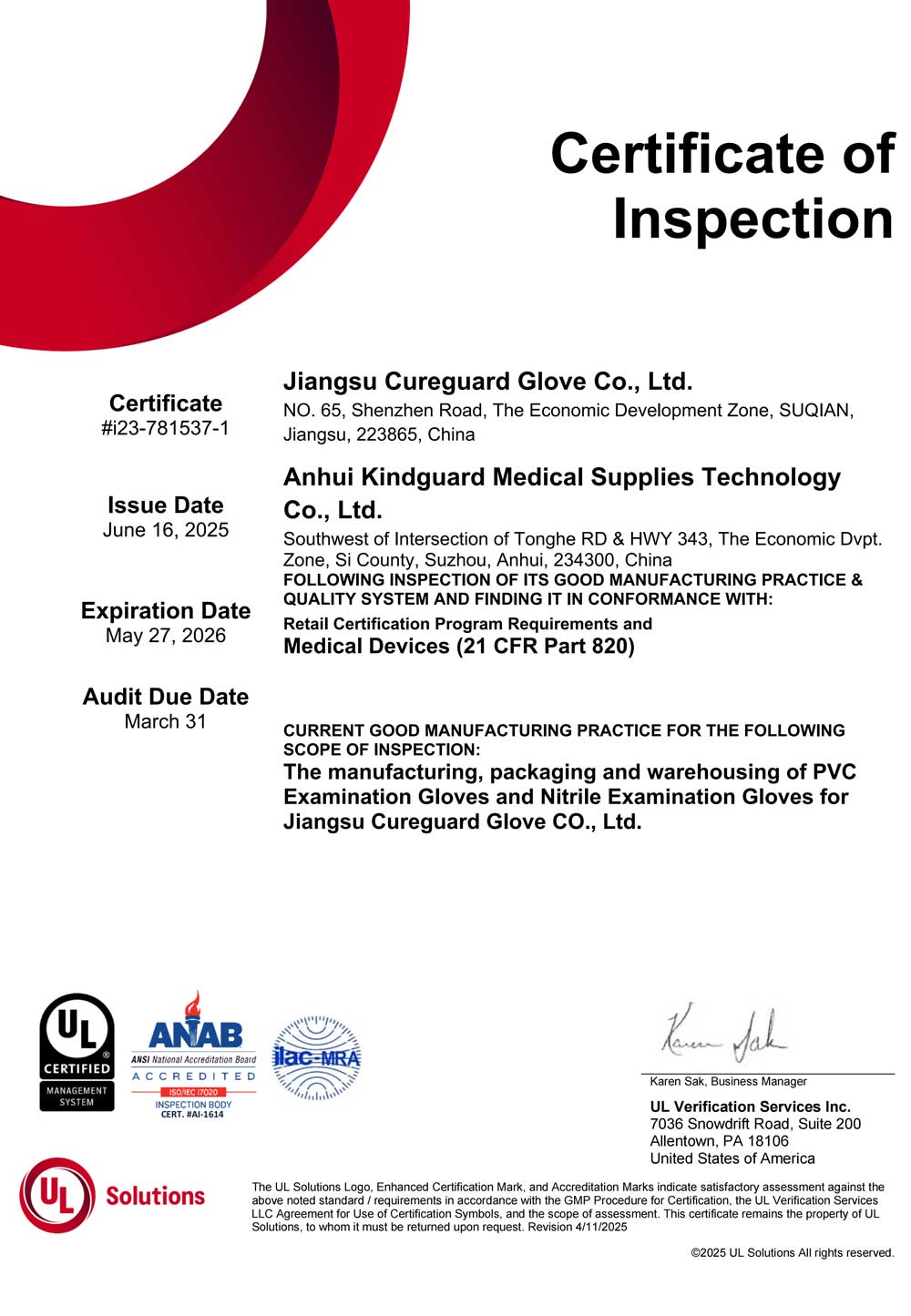
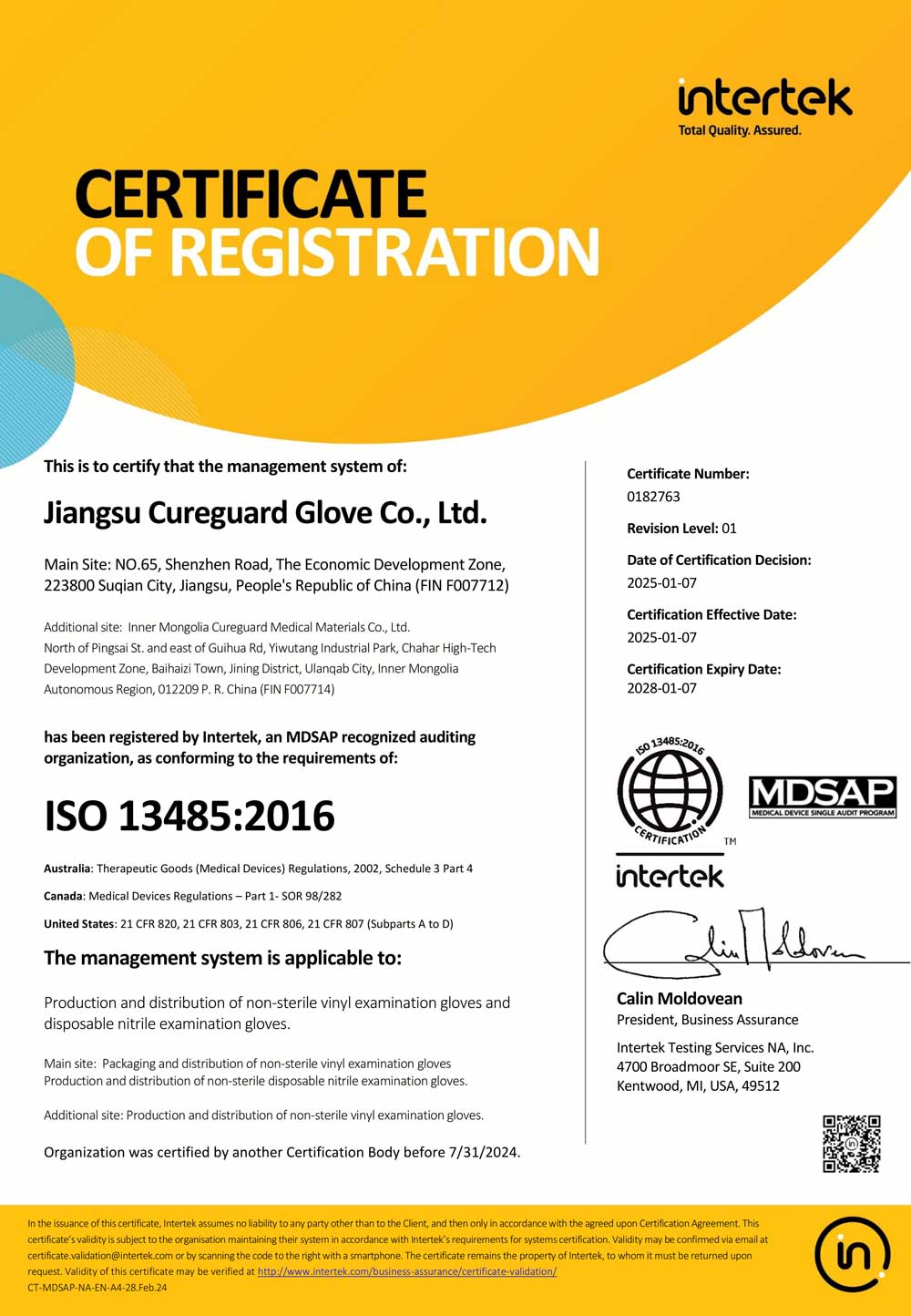
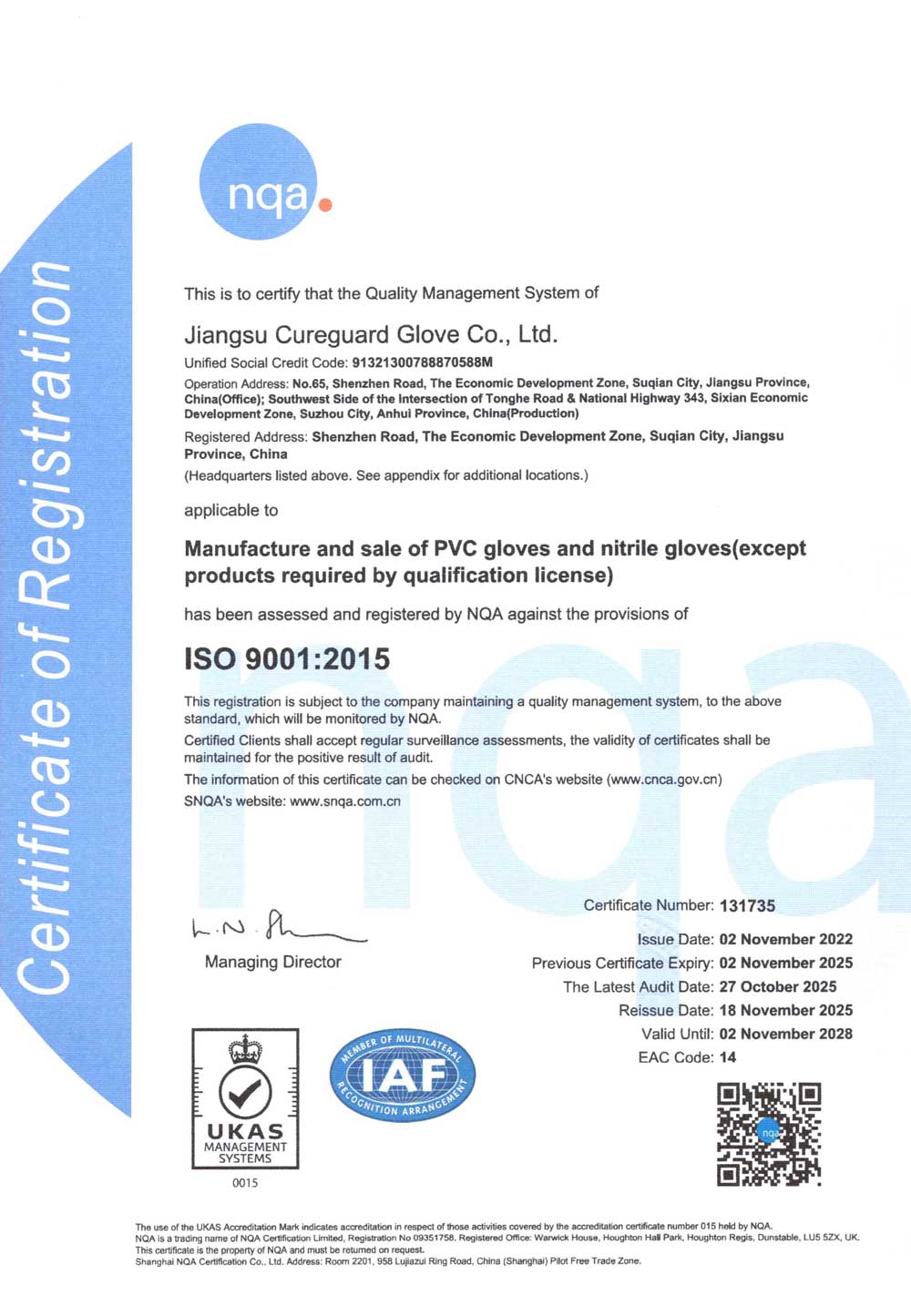
Selecting the correct Medicine Gloves For Industrial Maintenance And Mechanics requires a thorough understanding of the specific hazards present in your work environment. Not all gloves are created equal, and matching the material properties to the task is critical for both safety and economic efficiency.
The thickness of a disposable glove is measured in mils (one thousandth of an inch). Standard medical examination gloves typically range from 3 to 4 mils, providing excellent tactile sensitivity for delicate tasks. However, for rigorous industrial mechanics, a thickness of 5 to 8 mils is highly recommended. This increased thickness exponentially improves puncture and tear resistance against sharp metal edges, wire brushes, and abrasive surfaces, without sacrificing the dexterity needed to handle small bolts and fasteners.
Nitrile is the undisputed king of the mechanic's garage. It offers superior resistance to petroleum-based products, including motor oil, grease, and gasoline. It is also highly puncture-resistant and stretches to conform perfectly to the hand, reducing hand fatigue over a long shift. On the other hand, Vinyl gloves (made from PVC) are an excellent, cost-effective alternative for lighter maintenance duties, janitorial work, and handling non-hazardous materials where frequent glove changes are required. Understanding this distinction allows procurement managers to optimize their safety budgets while ensuring maximum worker protection.
In conclusion, the integration of medical-grade hand protection into the industrial and mechanical sectors is a definitive leap forward in workplace safety. By leveraging advanced materials, AI-enhanced manufacturing, and ergonomic designs, these gloves empower modern mechanics to perform at their peak, ensuring that their hands remain as pristine as the precision machinery they maintain.
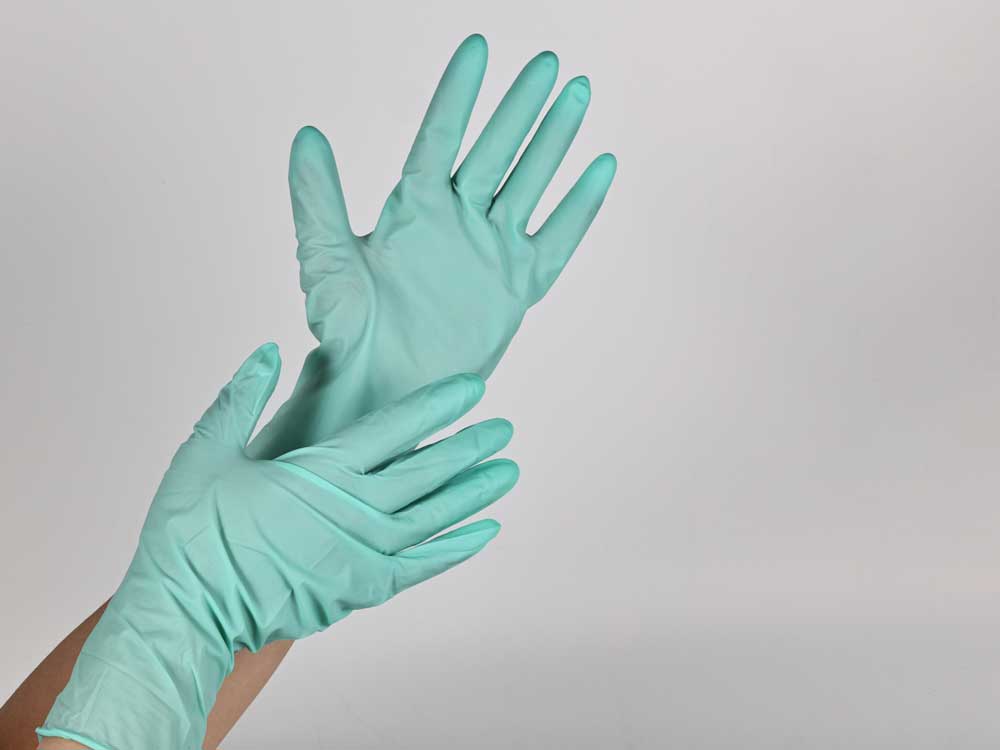
Learn the critical steps for donning nitrile gloves to maintain a sterile barrier, a practice equally important in clean-room industrial manufacturing.
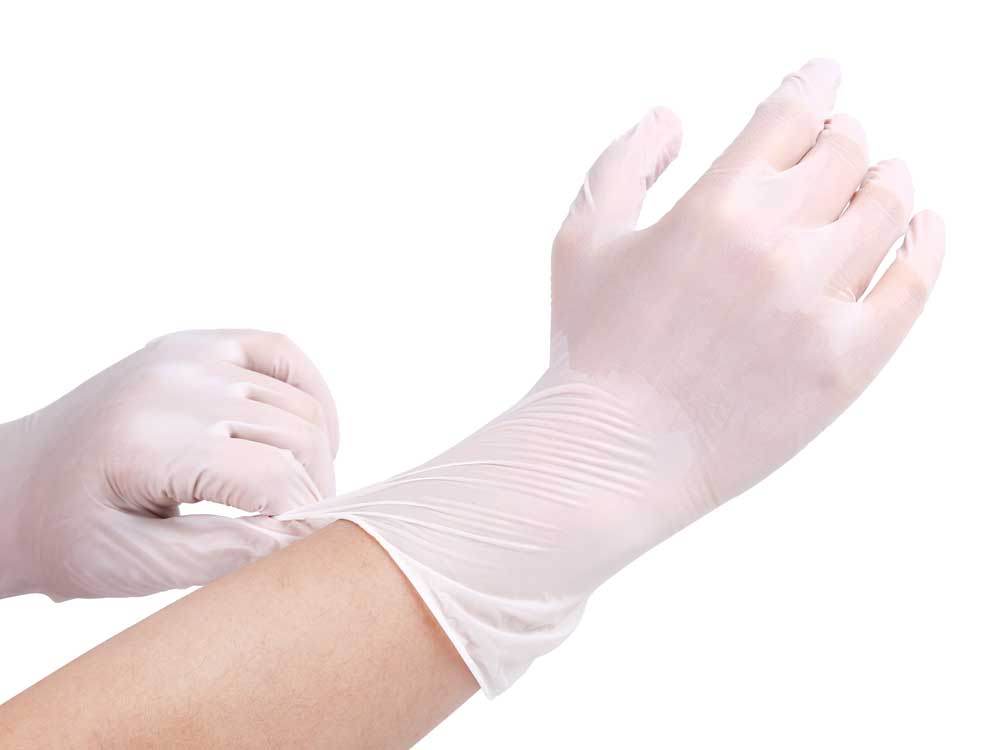
In the field of processing and maintenance, hand contact is a primary risk point. Discover how PVC gloves provide cost-effective protection.
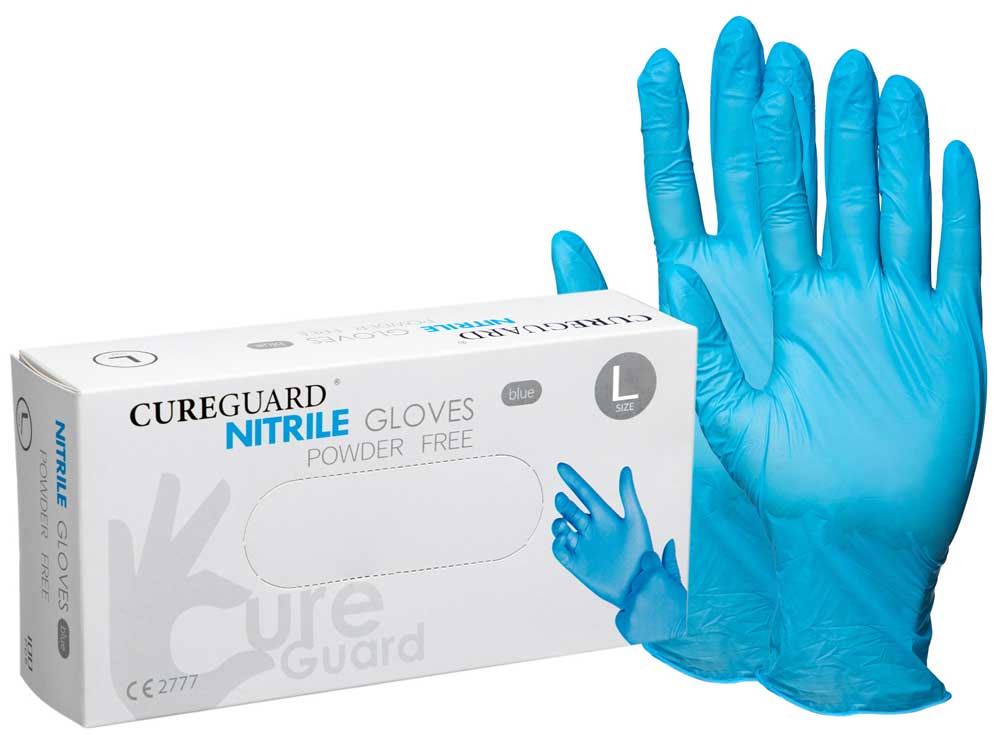
With growing safety awareness, the demand for high-strength nitrile in mechanics and heavy industry is showing unprecedented growth.