
Leave Your Message
-
Contact Phone
-
 Contact Email
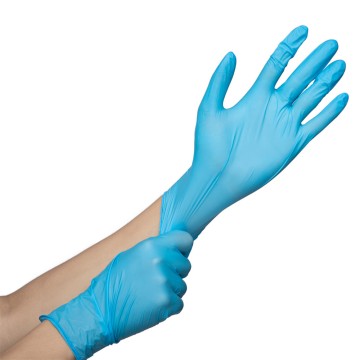
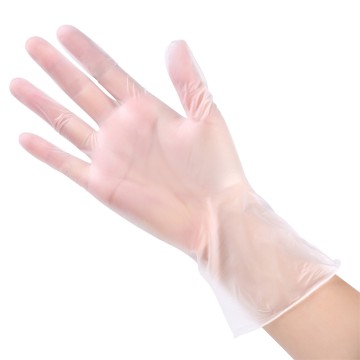
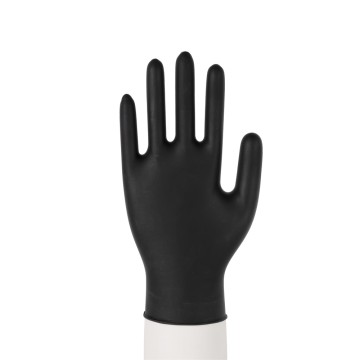
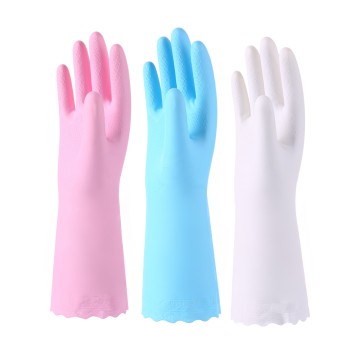
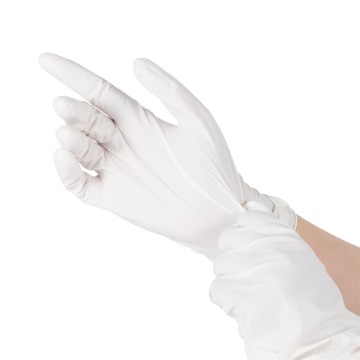
In the highly controlled environments of precision electronics assembly, the choice of personal protective equipment (PPE) is not merely a matter of worker safety, but a critical component of product yield and quality assurance. The transition towards Latex Free Gloves For Precision Electronics Assembly has become an industry standard, driven by the microscopic demands of modern integrated circuits (ICs), printed circuit boards (PCBs), and optoelectronic devices. Traditional natural rubber latex, while offering excellent elasticity, presents two insurmountable challenges in high-tech manufacturing: the risk of severe allergic reactions (Type I hypersensitivity) among the workforce and, more critically for the product, the inherent shedding of particulates and natural proteins that can cause catastrophic contamination at the nano-scale.
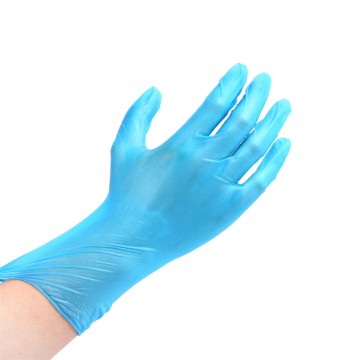
Today's semiconductor fabrication plants (fabs) and micro-assembly cleanrooms operate under stringent ISO standards (often ISO Class 4 or better). In these environments, a single stray particle measuring just a few micrometers can short-circuit a microchip, rendering an entire wafer defective. Latex-free alternatives, primarily synthesized from Nitrile Butadiene Rubber (NBR) or Polyvinyl Chloride (PVC/Vinyl), are engineered to be inherently low-linting and free of natural proteins. This synthetic composition ensures that the gloves do not degrade and release contaminants when exposed to the harsh chemical solvents, flux residues, and cleaning agents routinely used in electronics assembly.
Beyond particulate contamination, Electrostatic Discharge (ESD) is the silent killer of electronic components. When workers handle sensitive devices like MOSFETs, CMOS chips, or delicate sensor arrays, the friction generated by movement can build up a static charge. If this charge is rapidly discharged into a component, it can cause latent defects or immediate catastrophic failure. Latex-free nitrile and vinyl gloves designed for the electronics sector are specifically formulated with anti-static properties. By integrating conductive compounds or utilizing inherently dissipative materials, these gloves ensure a controlled path to ground, maintaining surface resistance levels strictly within the ANSI/ESD S20.20 required parameters (typically between 10^5 and 10^11 ohms).
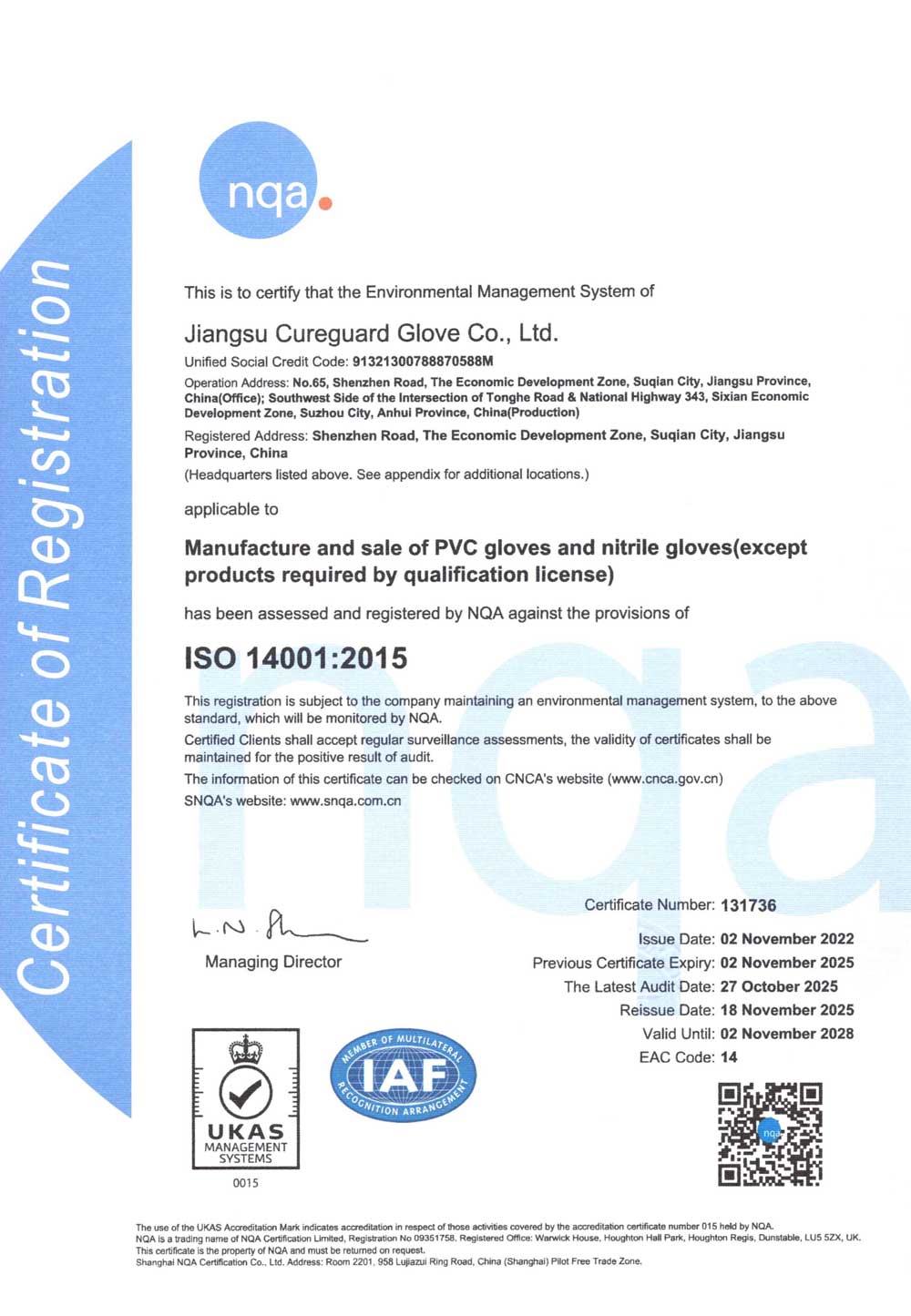
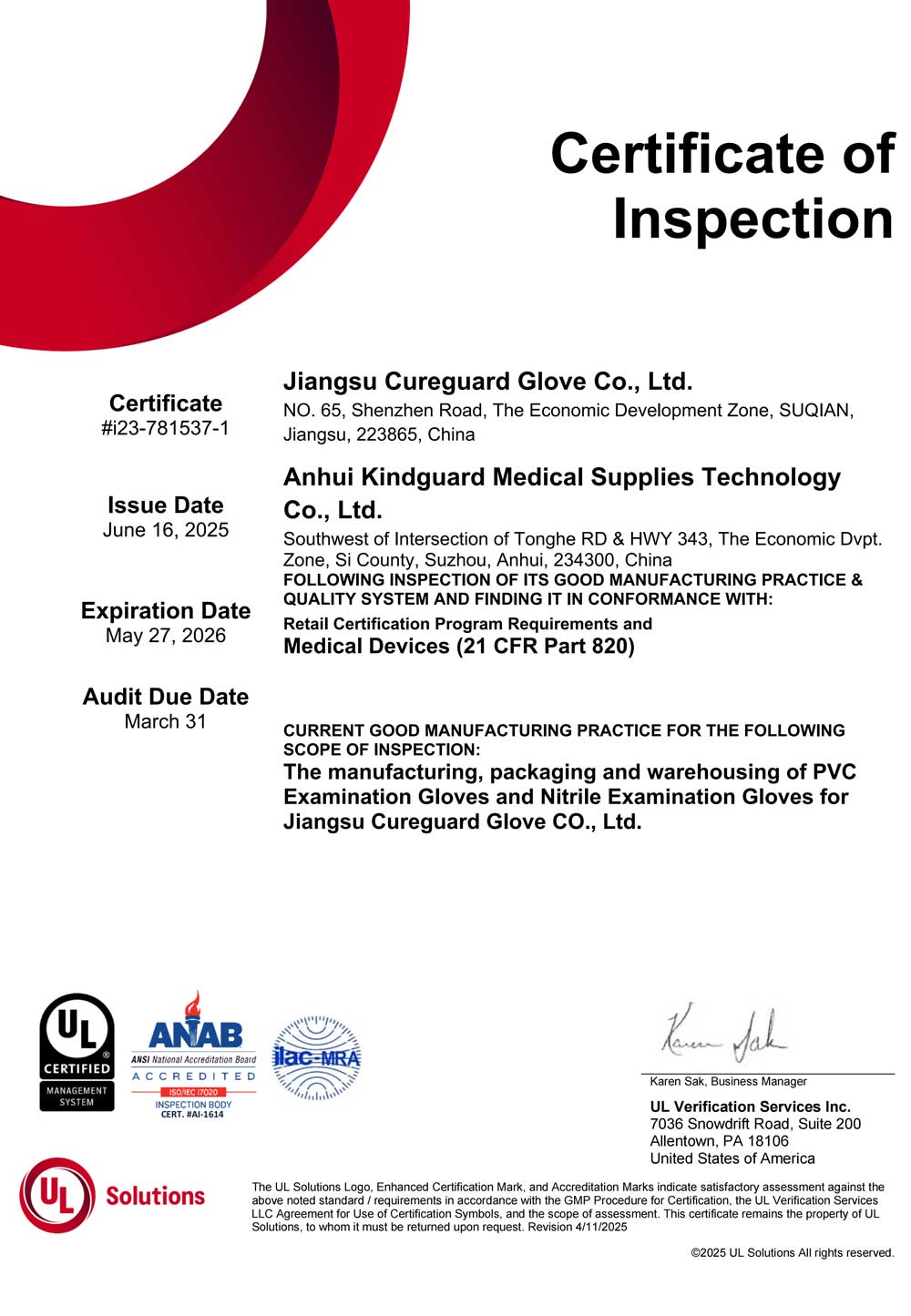
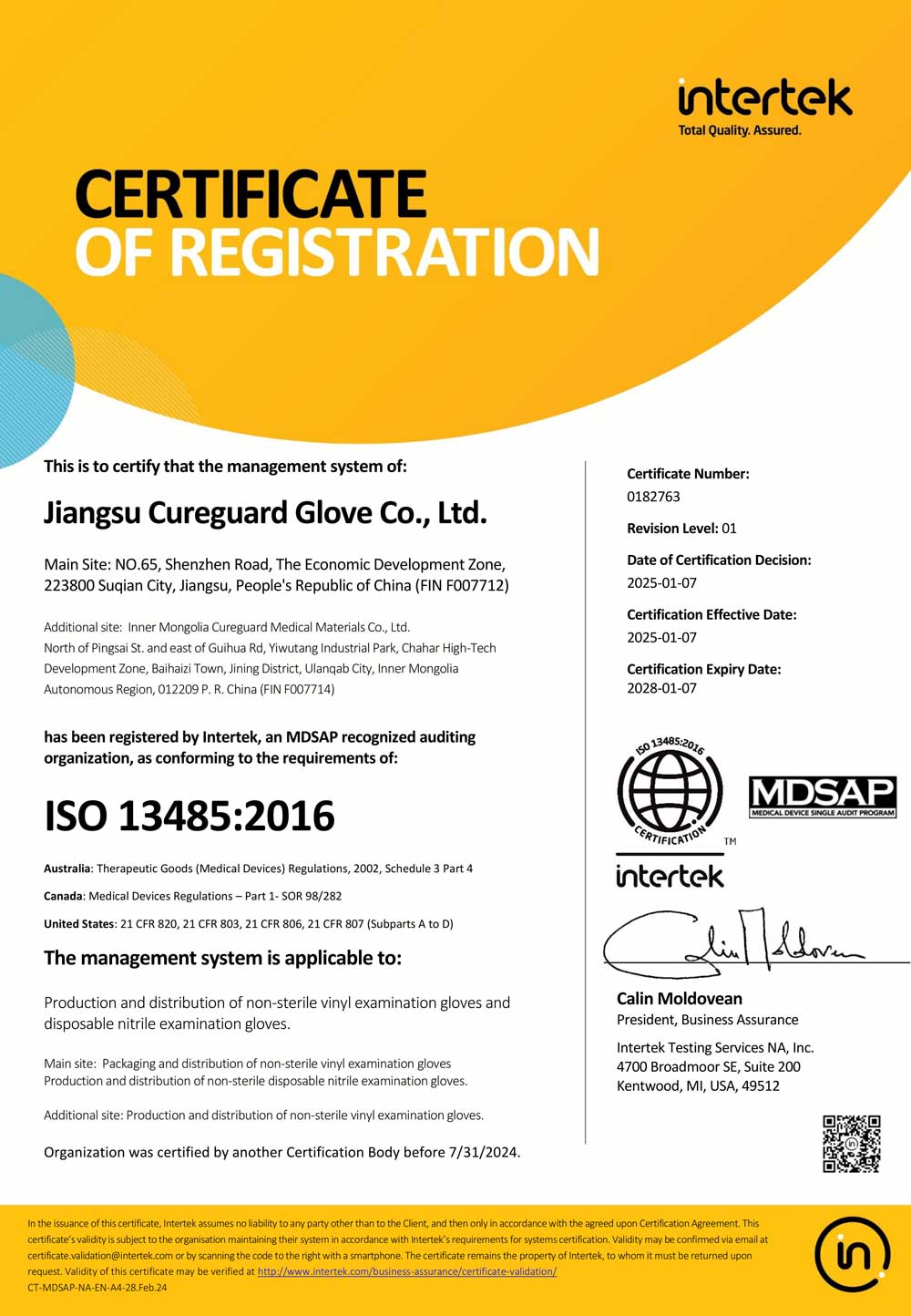
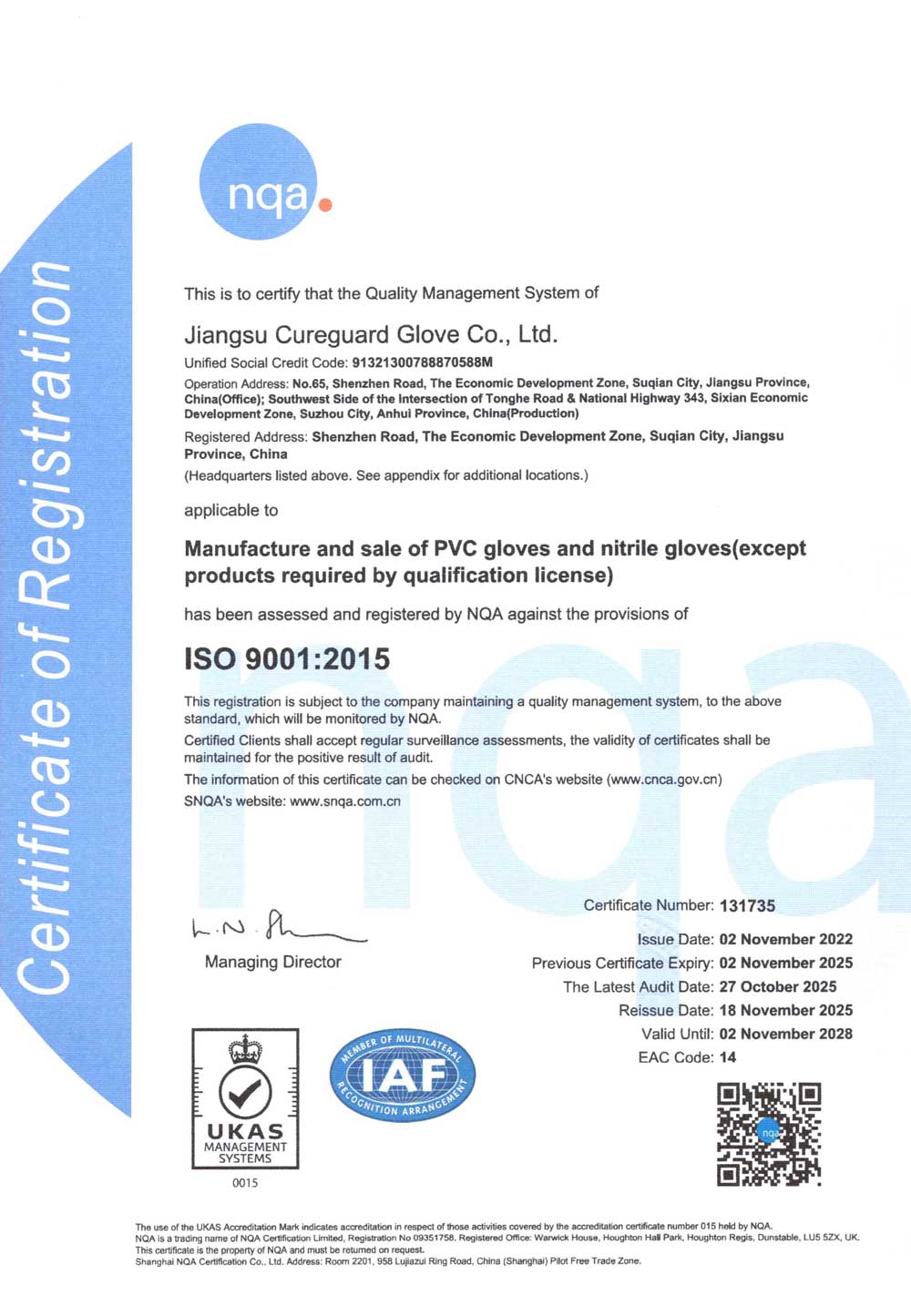
Established in 2006 and headquartered in Jiangsu Province, China, Cureguard Glove Group is specialized in glove manufacturing for over 20 years.
We own over 60 production lines dedicated to disposable vinyl and nitrile gloves, and reusable vinyl gloves with an annual output exceeding 10 billion pieces. We supply various kinds of gloves to customers in more than 100 countries and regions worldwide.
We roll out different series of products to address various routine scenario needs, such as medical examination, food contact, electronic industry, household use.



The application of Latex Free Gloves For Precision Electronics Assembly spans across multiple highly specialized domains. Each sub-sector within the electronics industry presents unique challenges that dictate the specific material properties required from hand protection.
In the heart of the tech industry, semiconductor fabs operate in ultra-clean environments. Here, disposable cleanroom nitrile gloves undergo specialized post-processing, including chlorination and deionized (DI) water washing, to remove residual chemicals and surface particulates. These gloves must provide an absolute barrier against human skin oils (sebum) and salts, which can cause severe corrosion on bare silicon wafers. The absence of latex proteins is non-negotiable, as organic residues can interfere with photolithography and etching processes.
During PCB assembly, workers frequently handle rough-edged fiberglass boards, sharp component leads, and soldering equipment. Nitrile gloves offer superior puncture and tear resistance compared to natural rubber, ensuring that the protective barrier remains intact. Furthermore, in SMT lines, exposure to isopropyl alcohol (IPA), flux removers, and conformal coatings is common. Latex-free nitrile provides exceptional chemical resistance, preventing the glove material from swelling, degrading, or transferring chemical contaminants onto the circuit boards.
As electronic devices shrink—driven by the demand for compact wearables, IoT devices, and medical implants—the components being assembled have become microscopic. Ergonomics plays a vital role. High-quality latex-free gloves are manufactured using advanced dipping technologies that create a micro-textured surface at the fingertips. This enhances grip on tiny surface-mount devices (SMDs) like 0201 or 01005 resistors without compromising tactile sensitivity. The low modulus of modern nitrile formulations allows the glove to conform perfectly to the hand, reducing hand fatigue during long shifts of intricate assembly work under microscopes.
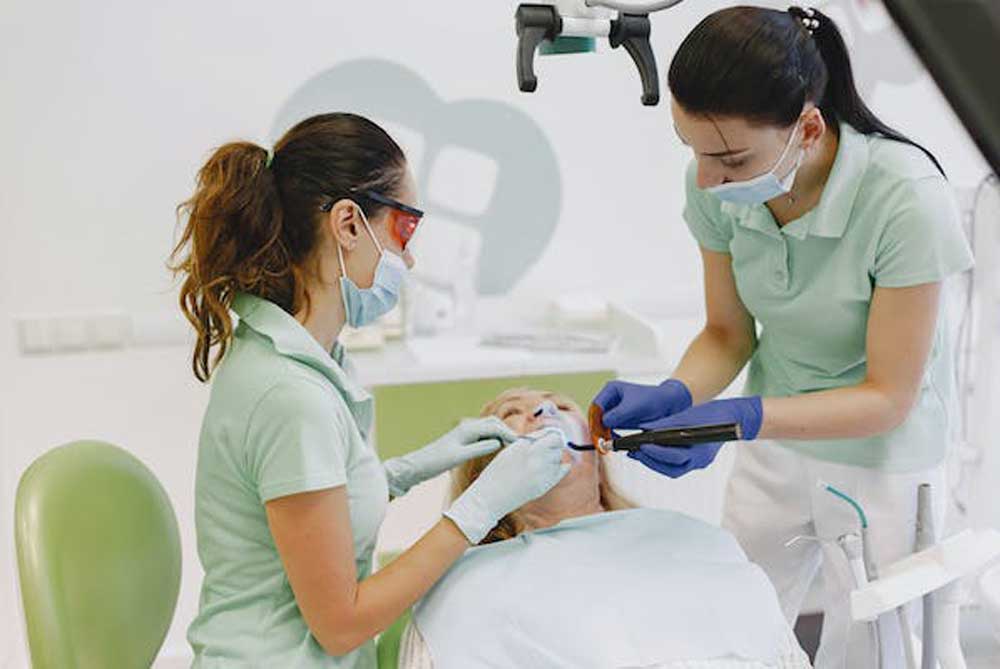
Ultra-low particulate shedding for Class 10/100 environments.
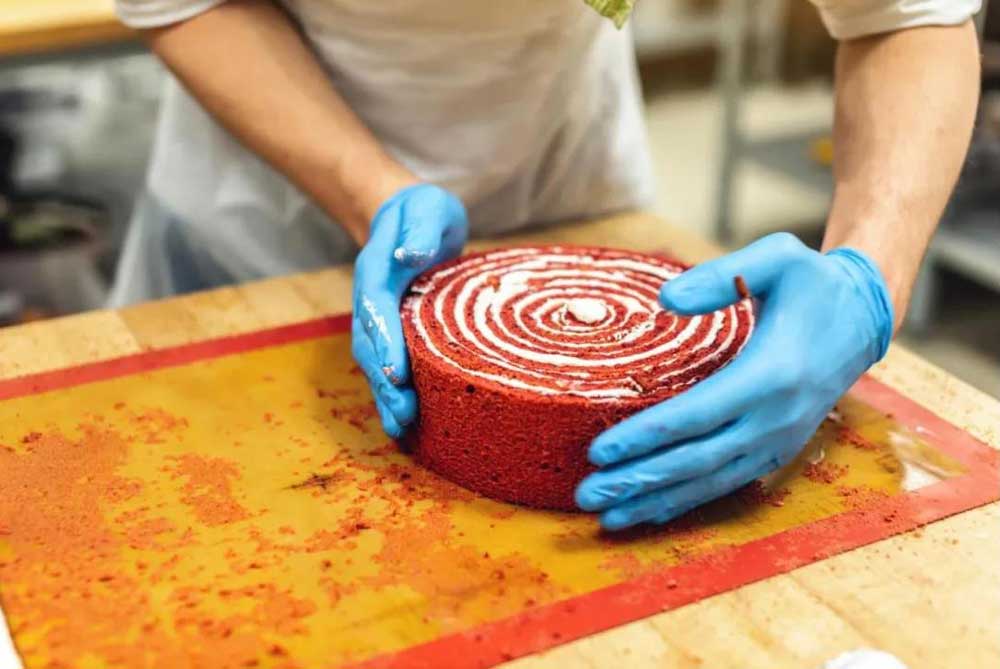
Chemical resistance against fluxes and IPA solvents.
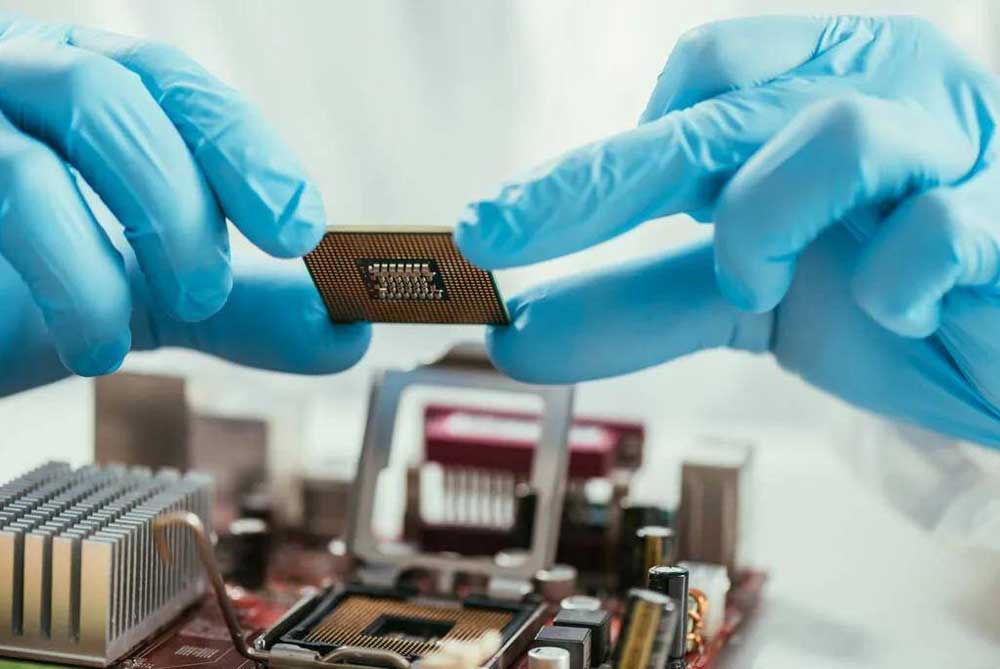
Smudge-free and oil-resistant handling for camera modules.

Anti-static protection for final casing and packaging.
The evolution of Latex Free Gloves For Precision Electronics Assembly is closely tied to advancements in polymer science and the shifting landscape of global manufacturing. While Nitrile and Vinyl remain the cornerstones of latex-free protection, manufacturers are continuously refining these materials to meet the demands of Next-Generation technologies.
As Artificial Intelligence (AI) and robotics become deeply integrated into electronic assembly lines, the role of human workers is shifting towards high-level oversight, complex troubleshooting, and the handling of ultra-sensitive prototype components. This paradigm shift requires gloves that offer even higher degrees of precision. Future iterations of latex-free gloves are focusing on "smart" capabilities—integrating conductive threads that allow seamless interaction with capacitive touchscreens and industrial control panels without requiring the worker to remove their PPE. This ensures continuous ESD protection while interacting with digital interfaces.
The electronics industry is under immense pressure to reduce its environmental footprint. Consequently, the development of biodegradable latex-free gloves is gaining traction. Manufacturers are exploring advanced nitrile formulations that incorporate organic additives, allowing the gloves to degrade rapidly in biologically active landfills without compromising their shelf life or chemical resistance during use. Furthermore, the global supply chain disruptions witnessed in recent years have highlighted the need for robust manufacturing capacities. Facilities with extensive production lines and massive annual capacities (exceeding billions of pieces) ensure a stable, uninterrupted supply of critical PPE to global tech hubs, maintaining the rhythm of worldwide electronics production.
In conclusion, the mandate for Latex Free Gloves For Precision Electronics Assembly transcends basic hand protection. It is a sophisticated fusion of electrostatic control, contamination prevention, ergonomic design, and chemical resistance. By investing in high-grade, latex-free solutions, electronics manufacturers safeguard their most valuable assets: their highly skilled workforce and the flawless integrity of the cutting-edge devices they produce.
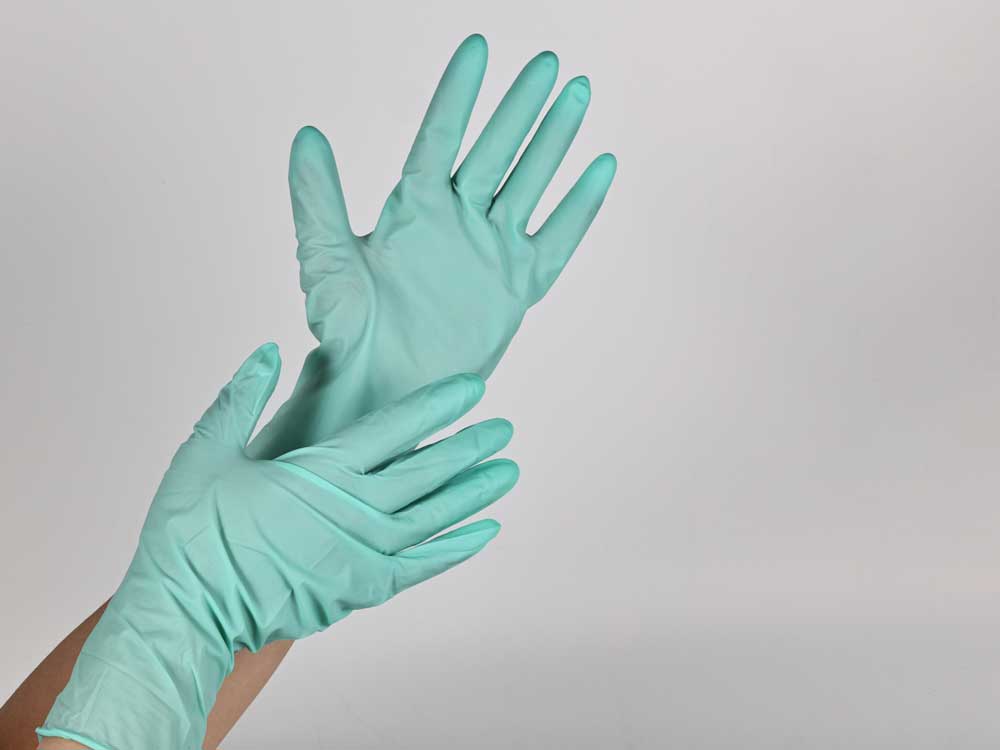
Technicians wearing ESD-safe nitrile gloves during semiconductor fabrication must follow strict donning procedures to prevent particulate transfer...
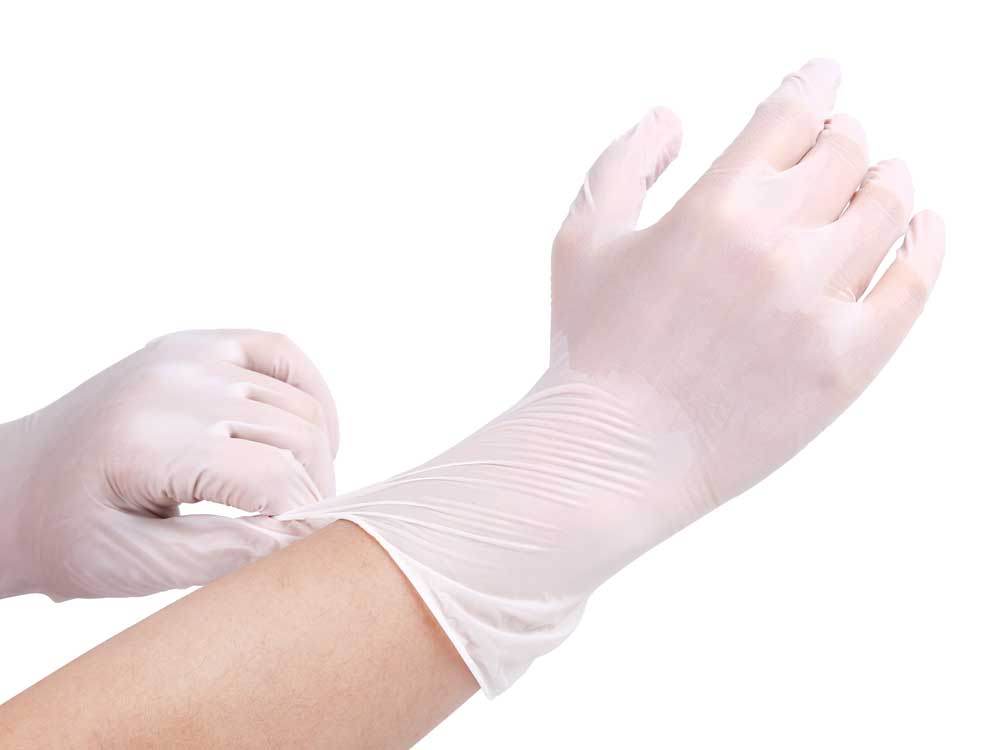
In the field of surface mount technology, hand contact is one of the primary risk points for electrostatic discharge. Discover how vinyl solutions help...
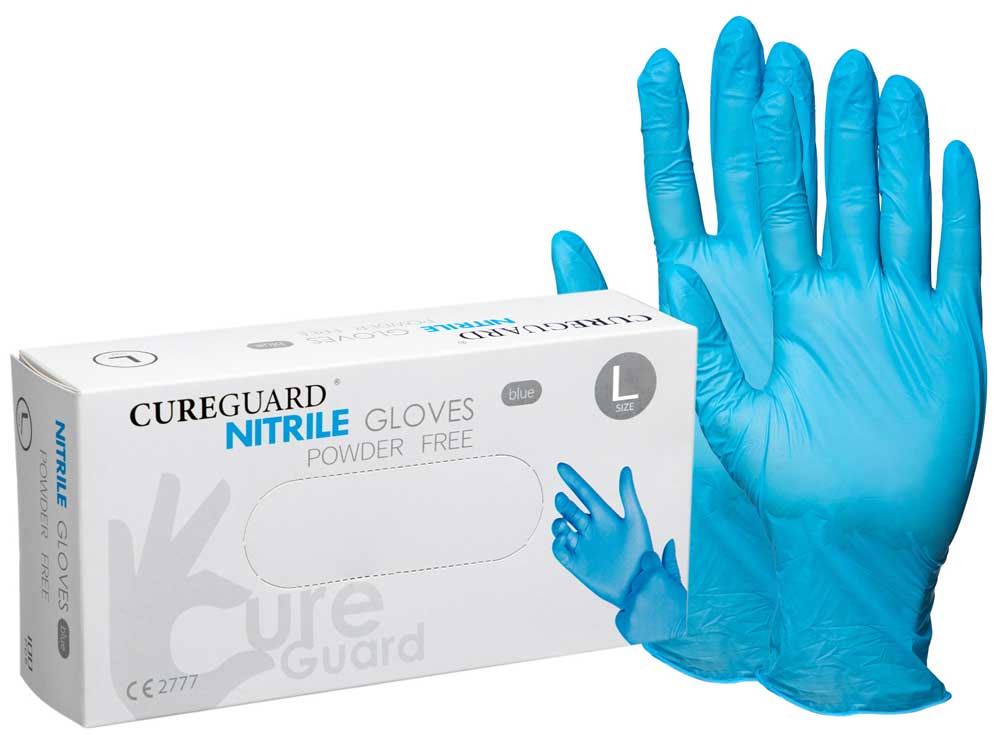
With the growing awareness of component safety, the demand for high-tactility protective equipment in micro-electronics is showing rapid growth...