
Leave Your Message
-
Contact Phone
-
 Contact Email
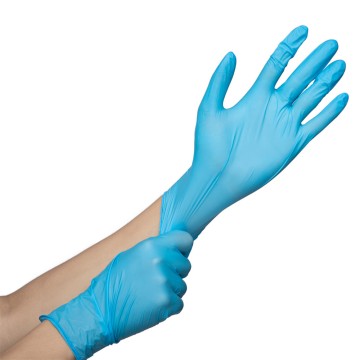
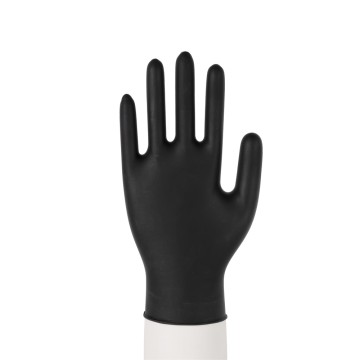
Engineered for perfection, our top-tier latex-free gloves are designed to meet the rigorous standards of Hamburg's medical, industrial, and food sectors.
Hamburg, renowned as Germany’s "Gateway to the World," is not just Europe's third-largest port but also a rapidly expanding hub for advanced medical technology and industrial manufacturing. Over the past decade, the demand for personal protective equipment (PPE) has skyrocketed, fundamentally transforming the landscape for Latex Free Gloves Factories & Manufacturers in Hamburg. The city's strategic logistical positioning along the Elbe River, combined with its highly developed infrastructure, makes it an ideal epicenter for manufacturing, importing, and distributing high-quality nitrile and vinyl gloves across the European Union.
The shift away from natural rubber latex has been driven by strict European healthcare regulations and a growing awareness of Type I latex allergies, which affect a significant percentage of healthcare workers and patients. In response, manufacturers and suppliers based in and around Hamburg have heavily invested in latex-free alternatives. These modern production facilities utilize state-of-the-art synthetic rubber formulations, ensuring that the gloves provide the same, if not better, elasticity, tactile sensitivity, and barrier protection as traditional latex, without the associated health risks.
Furthermore, Hamburg’s local government and economic development agencies deeply support innovative manufacturing. The integration of "Industry 4.0" concepts—such as automated production lines, IoT-enabled quality control, and AI-driven supply chain management—has allowed Hamburg-linked manufacturers to achieve unprecedented production efficiency. With an annual output capacity scaling into the billions of pieces, these factories are well-equipped to meet the rigorous demands of hospitals, laboratories, and industrial complexes not only in Hamburg but globally.
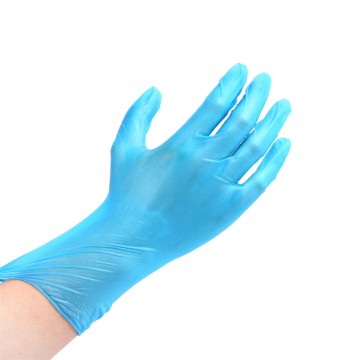
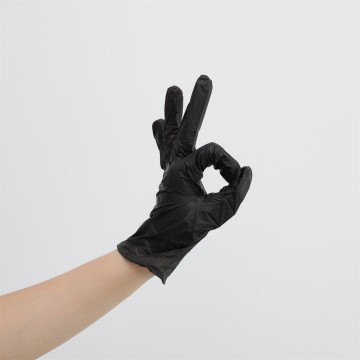
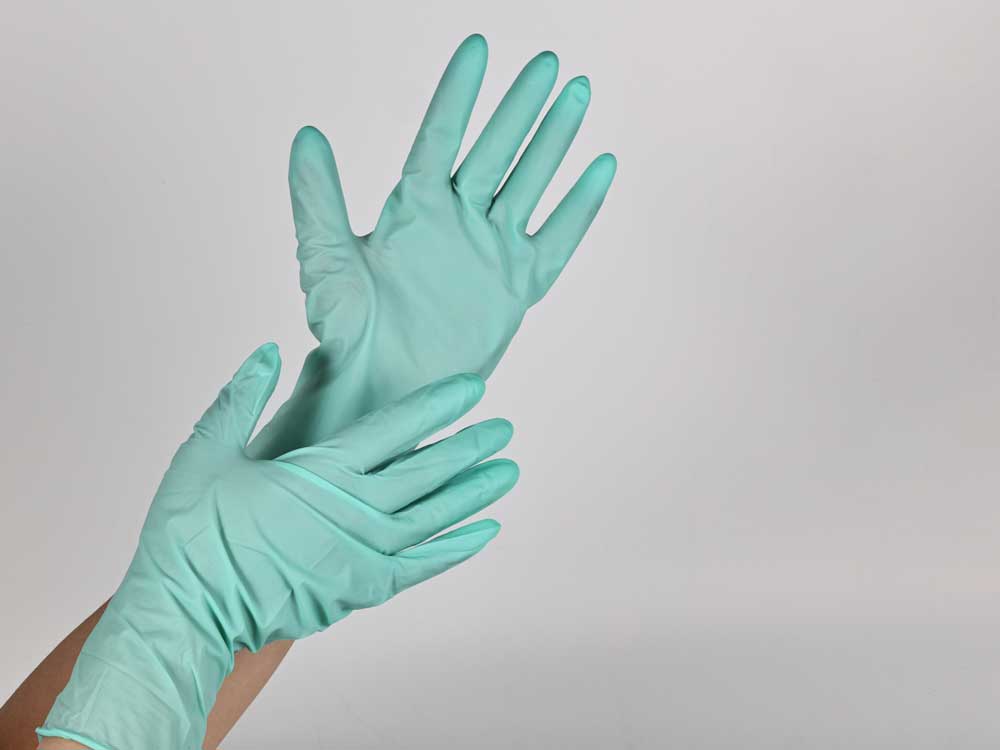
When analyzing the output of Latex Free Gloves Factories & Manufacturers in Hamburg, two materials stand out prominently: Nitrile Butadiene Rubber (NBR) and Polyvinyl Chloride (PVC or Vinyl). The German market has overwhelmingly adopted these materials due to their superior chemical resistance, durability, and hypoallergenic properties. Nitrile gloves, in particular, have become the gold standard in Hamburg’s medical and heavy-duty industrial sectors. They offer exceptional puncture resistance—up to three times that of standard latex—making them indispensable for handling sharp medical instruments at facilities like the University Medical Center Hamburg-Eppendorf (UKE) or managing hazardous chemicals in the port's industrial zones.
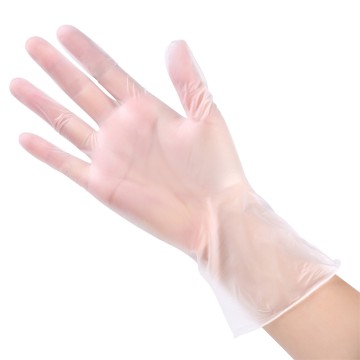
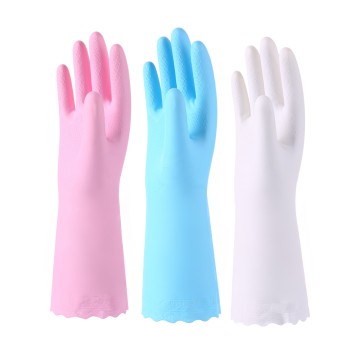
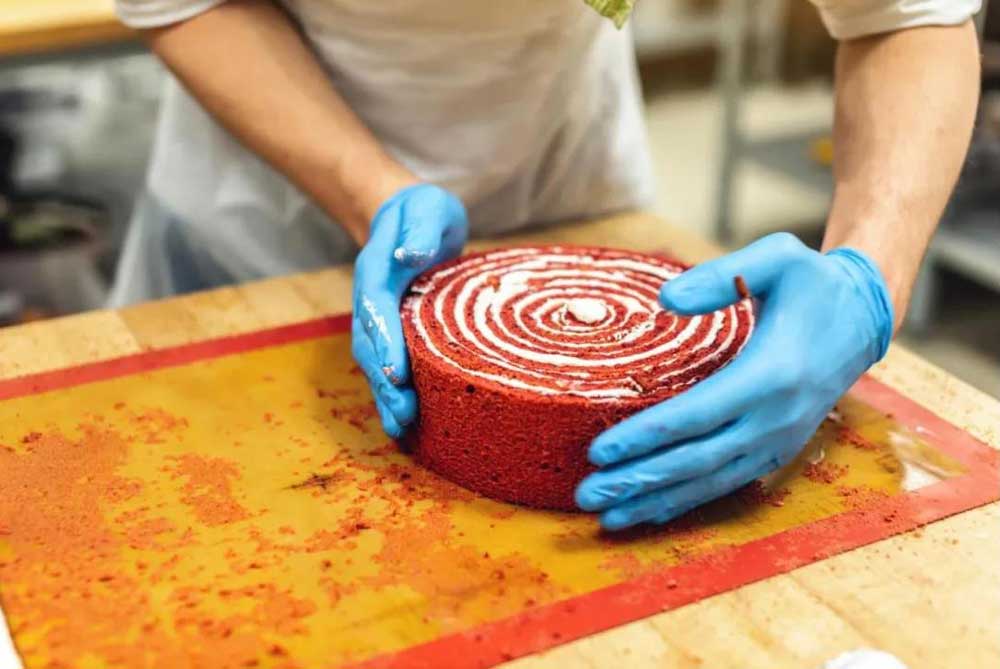
Vinyl gloves, on the other hand, provide a highly cost-effective solution for short-duration, low-risk tasks. They are predominantly utilized in Hamburg's bustling food processing and gastronomy sectors. From the historic Altona Fish Market to the modern culinary establishments in HafenCity, vinyl gloves ensure strict adherence to Germany's stringent food safety and hygiene regulations (HACCP). They are free from chemical accelerators commonly found in other glove manufacturing processes, further reducing the risk of Type IV contact dermatitis.
Technological advancements in polymer science have also led to the development of "soft nitrile" and "stretch vinyl," blurring the lines between the comfort of latex and the safety of synthetics. Manufacturers are now utilizing AI-assisted chemical mixing techniques to optimize the molecular structure of these gloves, resulting in products that conform perfectly to the user's hand, reducing hand fatigue during extended wear. This level of ergonomic engineering is a hallmark of the quality expected from Hamburg's advanced manufacturing networks.
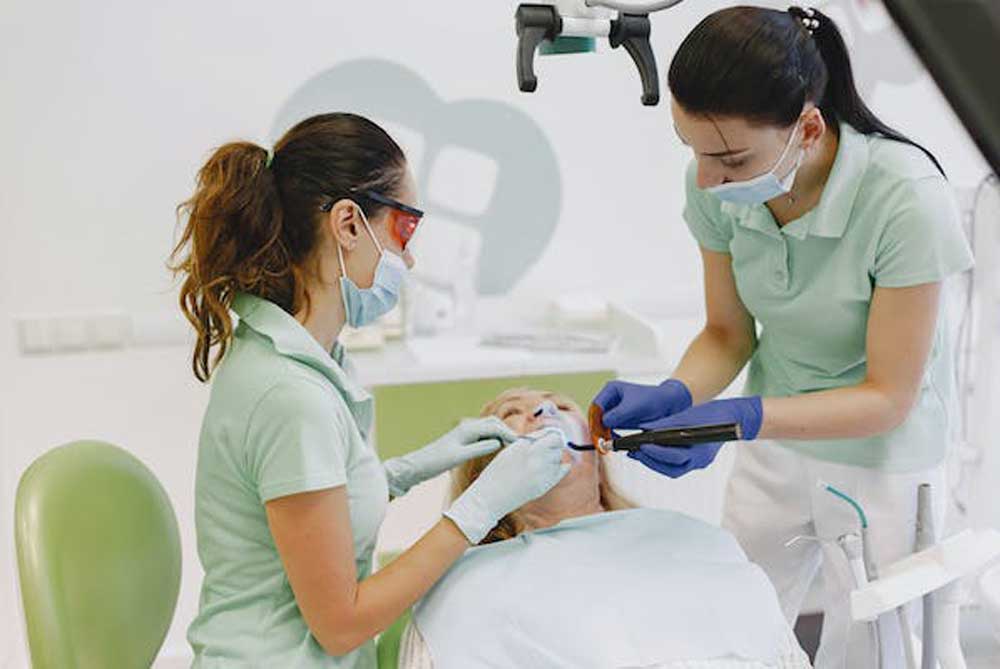
The application of products from Latex Free Gloves Factories & Manufacturers in Hamburg is deeply intertwined with the city's unique economic pillars. In the healthcare sector, Hamburg boasts some of Europe's most advanced medical facilities and research institutes. Here, medical-grade nitrile gloves are absolutely critical. They are utilized in surgical procedures, routine examinations, and virology labs. The requirement for zero-defect, powder-free, and latex-free gloves is non-negotiable to prevent cross-contamination and protect both the world-class medical staff and the diverse patient demographic of the city.
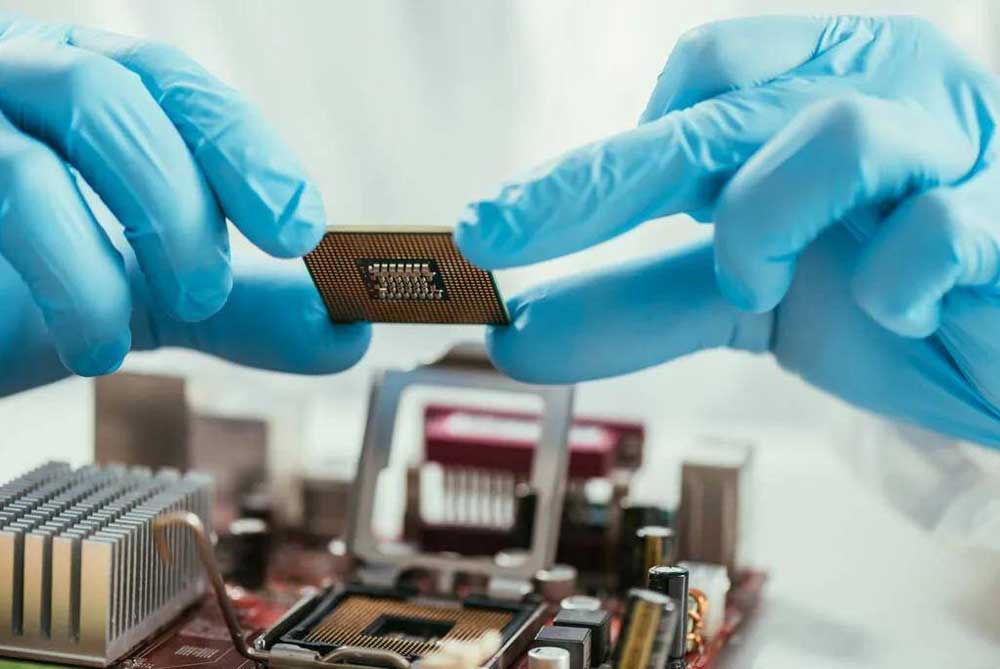
Beyond healthcare, Hamburg is an industrial powerhouse. The aviation industry, notably the massive Airbus assembly plant in Finkenwerder, requires specialized industrial-grade nitrile gloves. Aerospace technicians rely on these latex-free gloves to protect their hands from harsh solvents, lubricants, and sealants, while simultaneously ensuring that sensitive electronic components and composite materials are not contaminated by human skin oils or particulate matter. The anti-static properties of specific nitrile formulations make them perfect for these high-tech assembly lines.
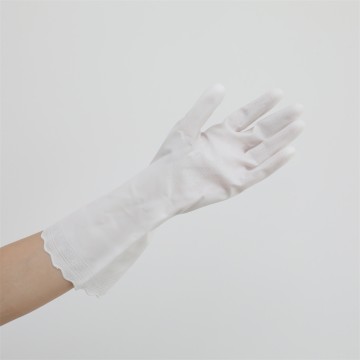
Additionally, the Port of Hamburg—handling millions of TEUs (Twenty-foot Equivalent Units) annually—relies heavily on heavy-duty, reusable vinyl and nitrile gloves. Dock workers, logistics personnel, and customs inspectors require robust hand protection against mechanical abrasions, harsh weather conditions, and potential chemical spills from cargo. The local demand has spurred manufacturers to create customized, thickened, and flock-lined reusable gloves that offer thermal insulation and enhanced grip, specifically tailored for the maritime and logistics environment of Northern Germany.
As a city that prides itself on its green initiatives and status as a European Green Capital, Hamburg places immense pressure on industrial sectors to adopt sustainable practices. The future for Latex Free Gloves Factories & Manufacturers in Hamburg lies in the development of biodegradable and eco-friendly synthetic gloves. Traditional nitrile and vinyl gloves take decades, if not centuries, to decompose in landfills. To combat this, leading R&D teams are introducing proprietary organic additives to nitrile formulations, allowing the gloves to biodegrade rapidly in biologically active landfills without compromising their shelf life or protective barrier properties during use.
Alongside material innovation, the manufacturing process itself is undergoing a technological revolution. Artificial Intelligence (AI) and Machine Learning (ML) are being aggressively integrated into production lines. High-speed AI vision systems now scan thousands of gloves per minute as they come off the ceramic formers, instantly detecting microscopic pinholes, thickness variations, or cosmetic defects that human inspectors might miss. This ensures a near 100% Acceptable Quality Level (AQL), which is paramount for medical-grade certifications (EN 455, ASTM D6319).
Supply chain resilience is another critical trend. The global disruptions experienced in recent years highlighted the need for localized buffer stocks and agile manufacturing capabilities. Factories connected to the Hamburg network are utilizing predictive analytics to forecast demand spikes in specific sectors—such as a sudden need for medical examination gloves during flu seasons—allowing them to dynamically adjust raw material procurement and production schedules. This ensures that Hamburg remains a reliable, uninterrupted source of essential latex-free protective equipment for the entirety of Northern Europe.
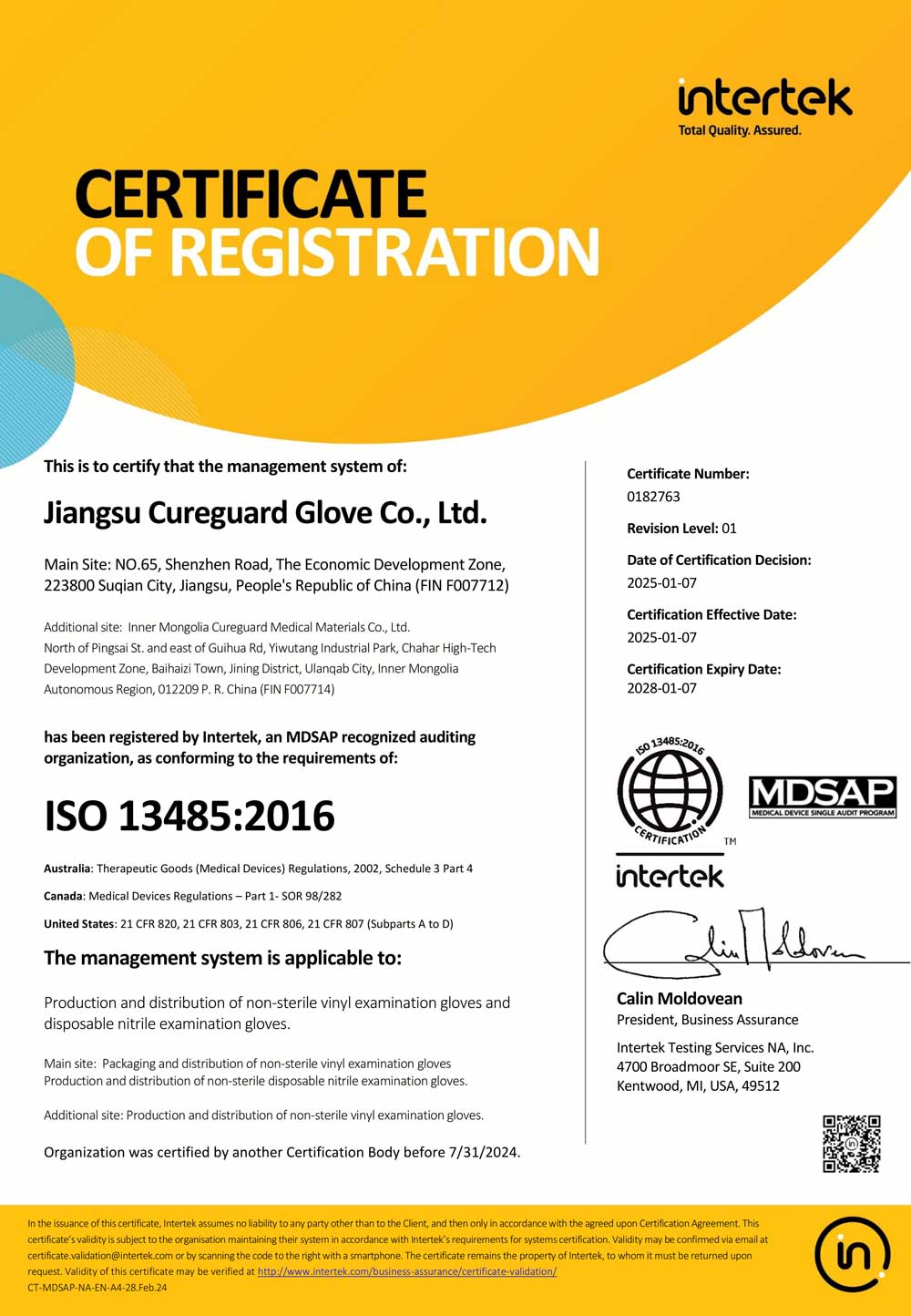
Established in 2006 and headquartered in Jiangsu Province, China, with a strong distribution and operational focus expanding into European hubs like Hamburg, Cureguard Glove Group is specialized in glove manufacturing for over 20 years.
We own over 60 production lines dedicated to disposable vinyl and nitrile gloves, and reusable vinyl gloves with an annual output exceeding 10 billion pieces. We supply various kinds of gloves to customers in more than 100 countries and regions worldwide, ensuring compliance with strict European and international standards.
We roll out different series of products to address various routine scenario needs, such as medical examination, food contact, electronic industry, and household use.
Click View More
Founded in

Factories

Production Lines

Annual Capacity (pcs)
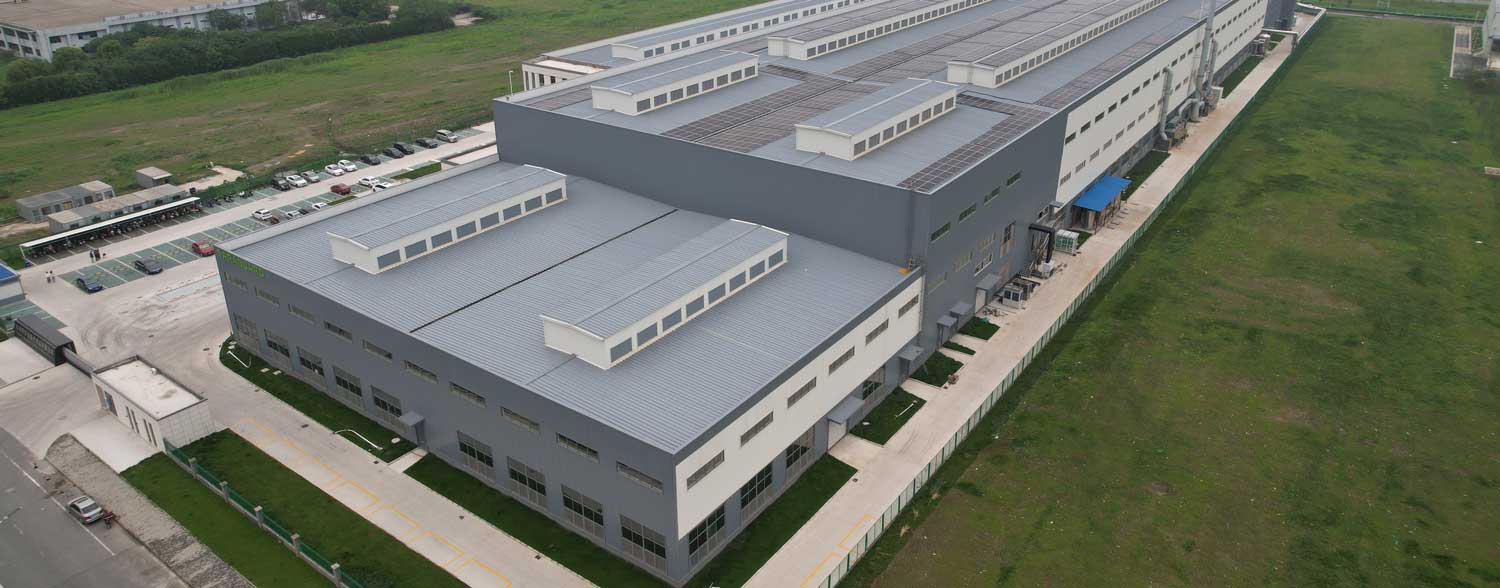
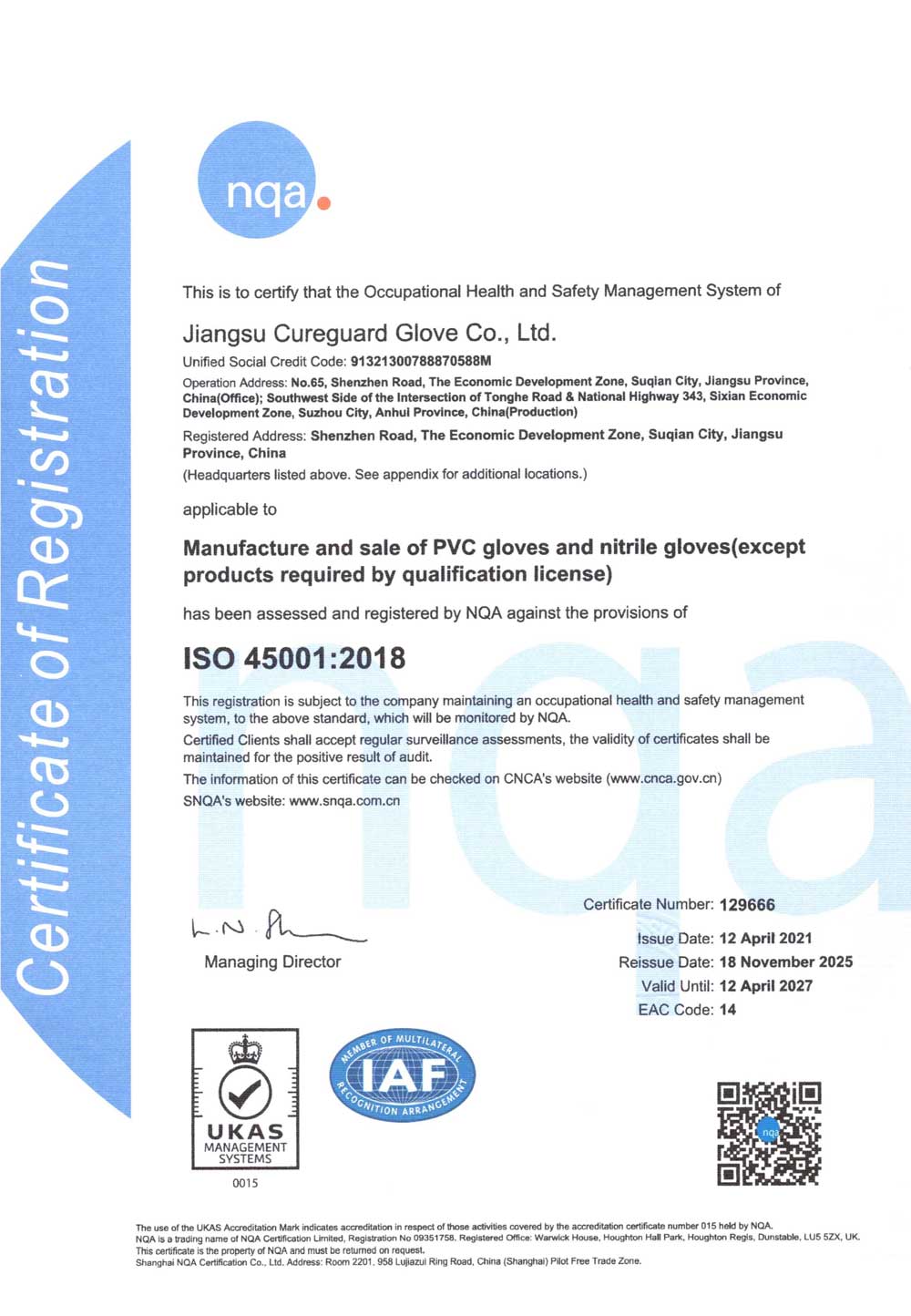
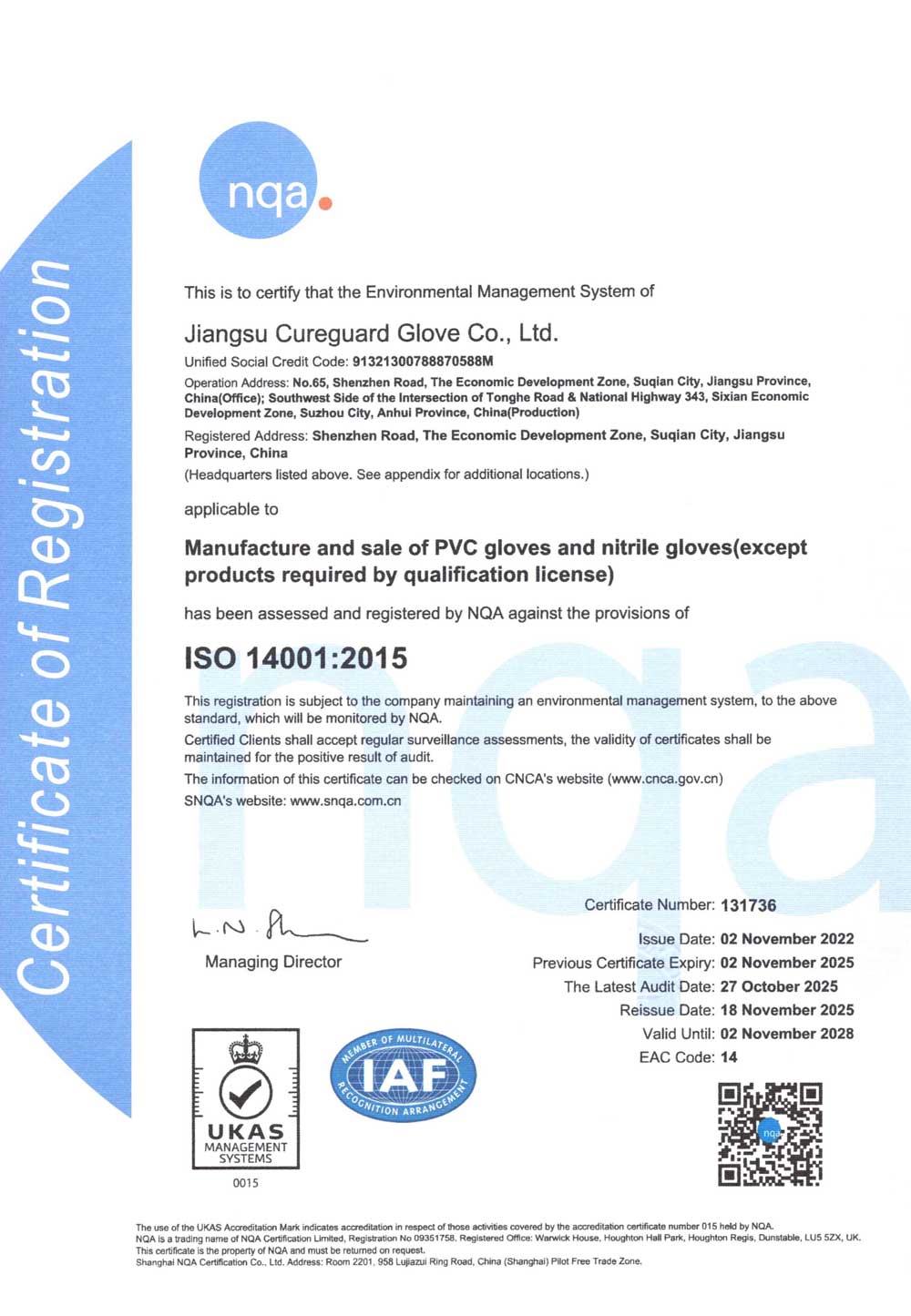
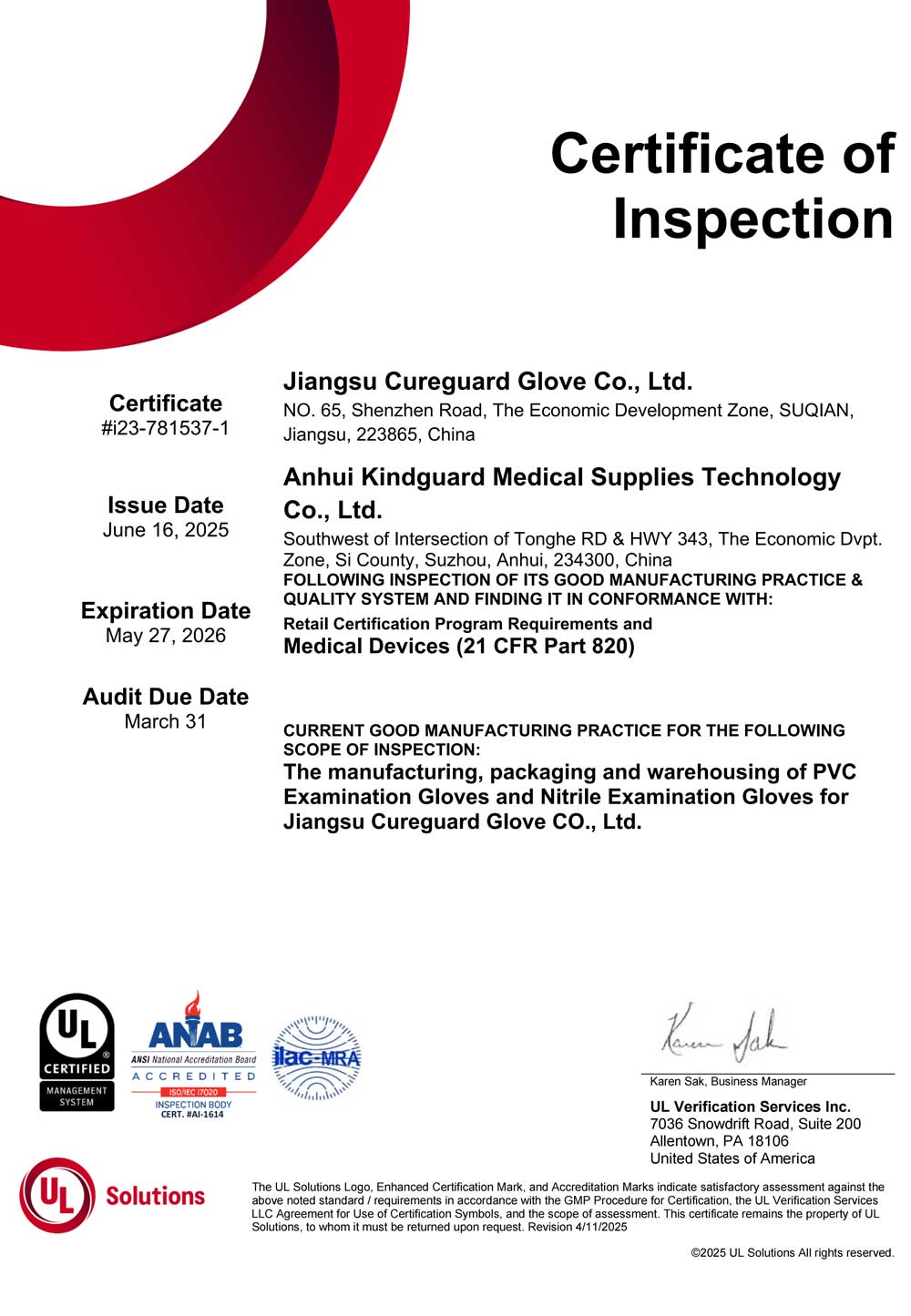
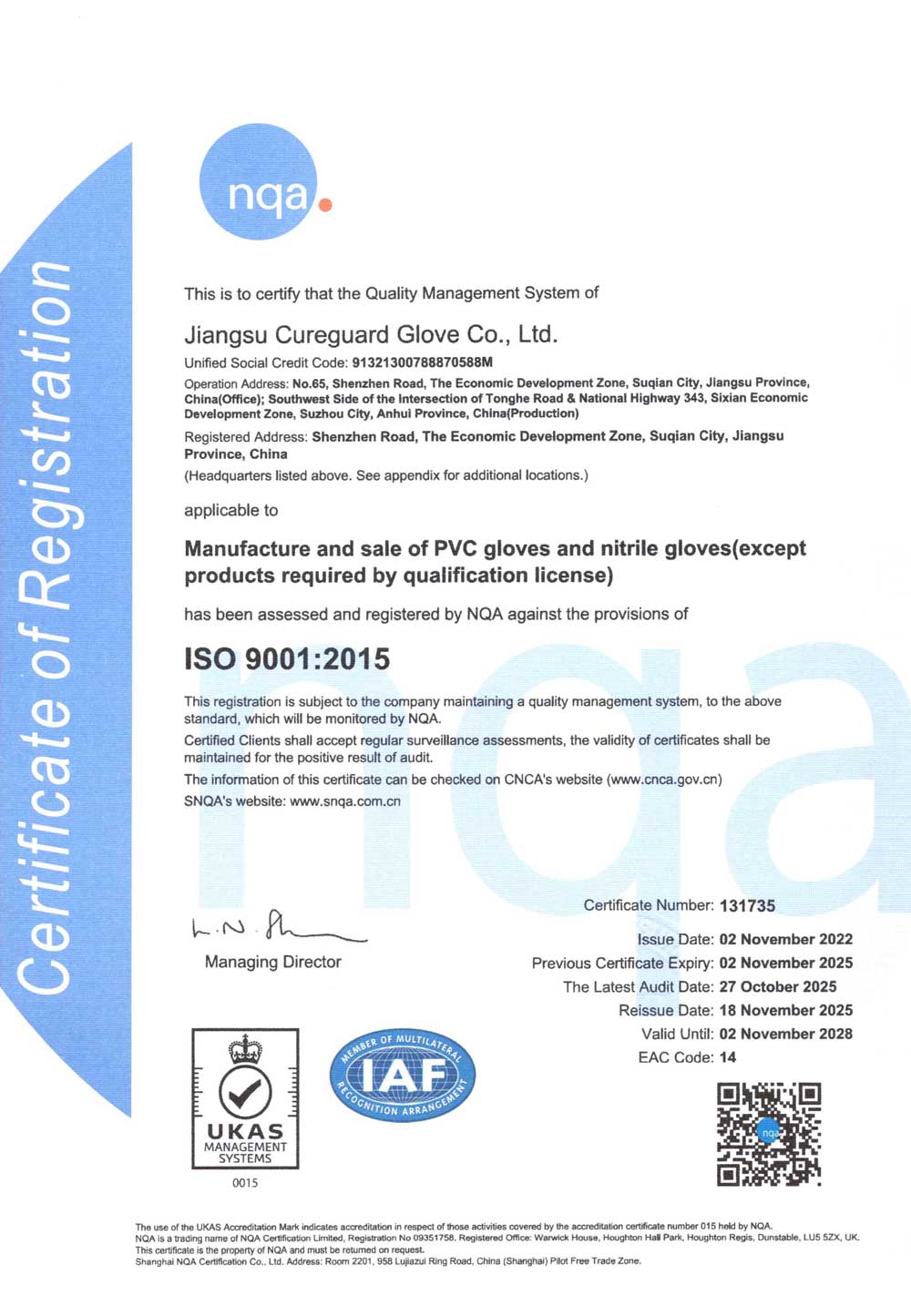
Our manufacturing processes meet the highest global standards, ensuring safety, quality, and environmental responsibility.
Medical staff wear nitrile gloves during surgery to prevent bacterial cross-infection. In the s...
February 02, 2026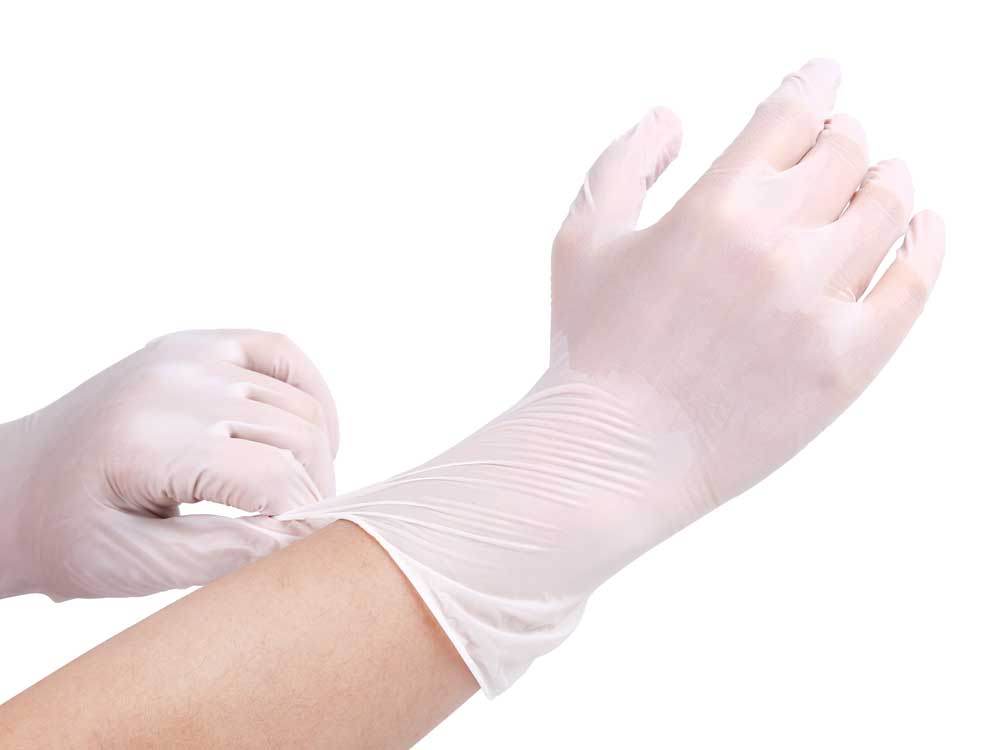
In the field of food processing, hand contact is one of the primary risk points for cross-conta...
February 02, 2026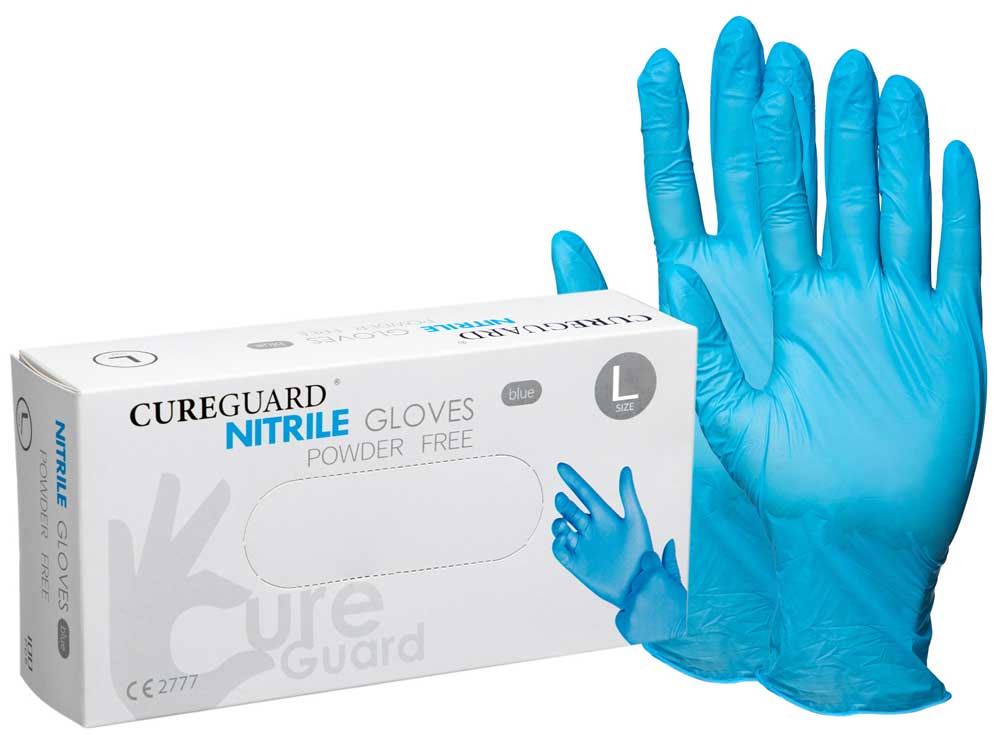
With the growing awareness of safety protection, the demand for protective equipment is showing...
February 02, 2026Explore our full range of latex-free protective solutions designed for rigorous global standards.