
Leave Your Message
-
Contact Phone
-
 Contact Email
Advanced Hand Protection Solutions Integrating Material Science, Ergonomics, and Uncompromising Safety Standards.
In the modern era of scientific advancement, the role of Disposable Exam Gloves For Laboratory Research And Chemical Safety has transcended basic hygiene to become a highly regulated, technologically advanced sector of the Personal Protective Equipment (PPE) industry. The global landscape of laboratory safety gear has experienced a paradigm shift, driven by stricter international safety standards, the rapid expansion of biotechnology R&D, and the complex requirements of modern chemical synthesis.
The demand for high-performance laboratory gloves, particularly nitrile variants, has seen an unprecedented compound annual growth rate (CAGR). Following global supply chain disruptions, the industry has pivoted towards resilient, automated manufacturing processes. Facilities now utilize AI-driven quality control to ensure uniform thickness and zero pinhole defects. This technological leap guarantees that laboratories worldwide have uninterrupted access to essential protective barriers, critical for maintaining the continuity of vital research and diagnostic operations. Furthermore, the integration of smart logistics ensures that bulk industrial supplies meet strict expiration and storage compliances.
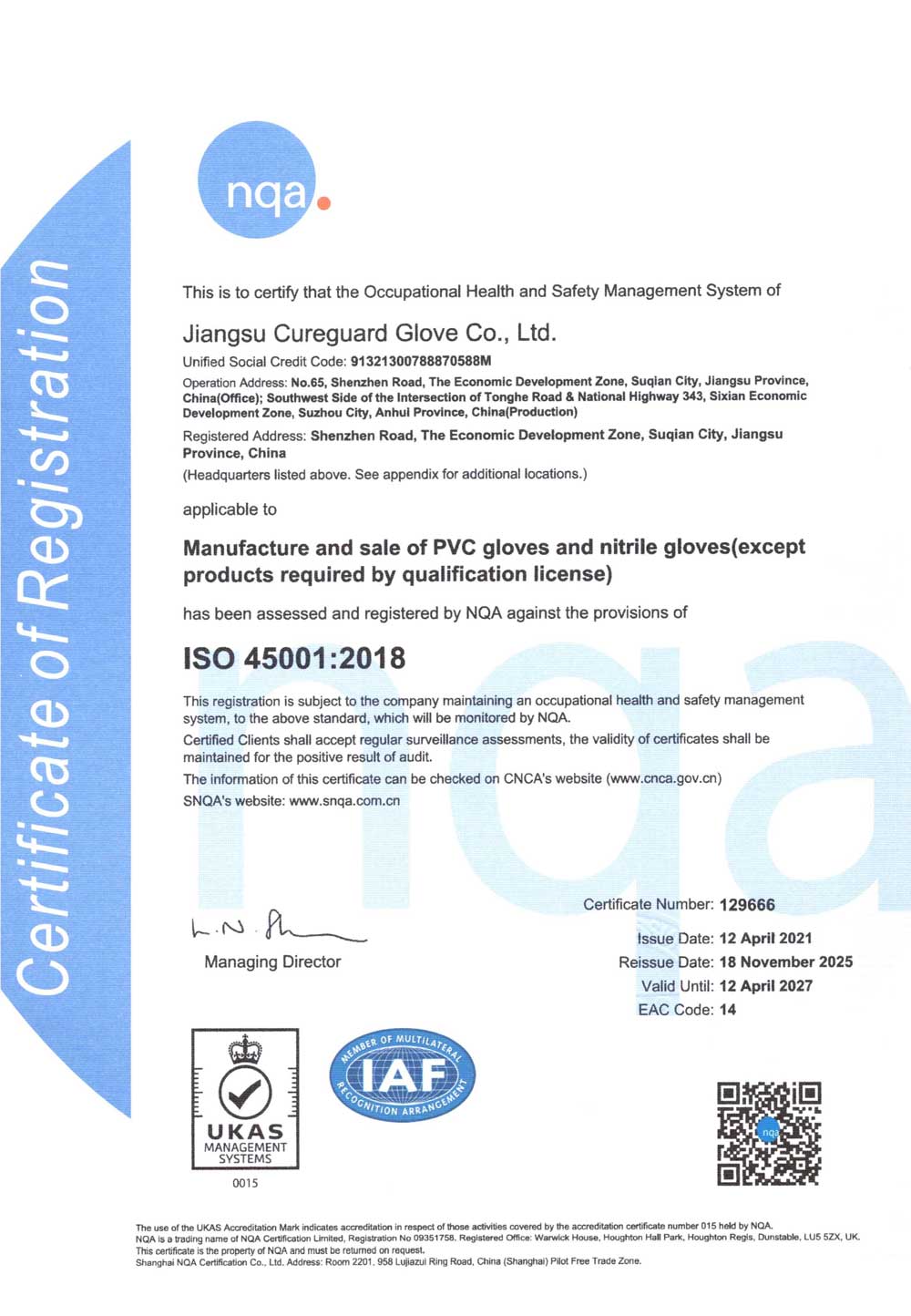
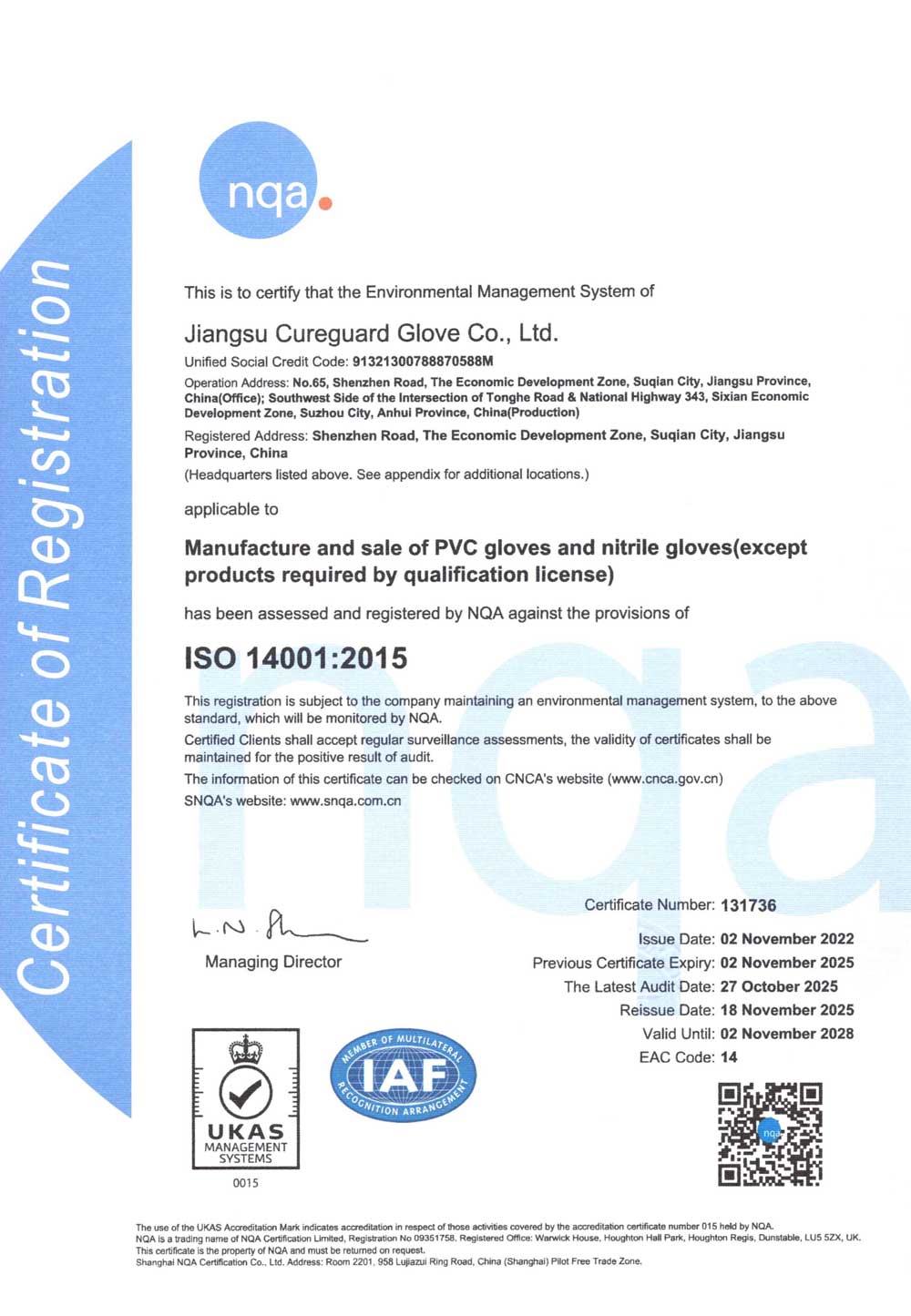
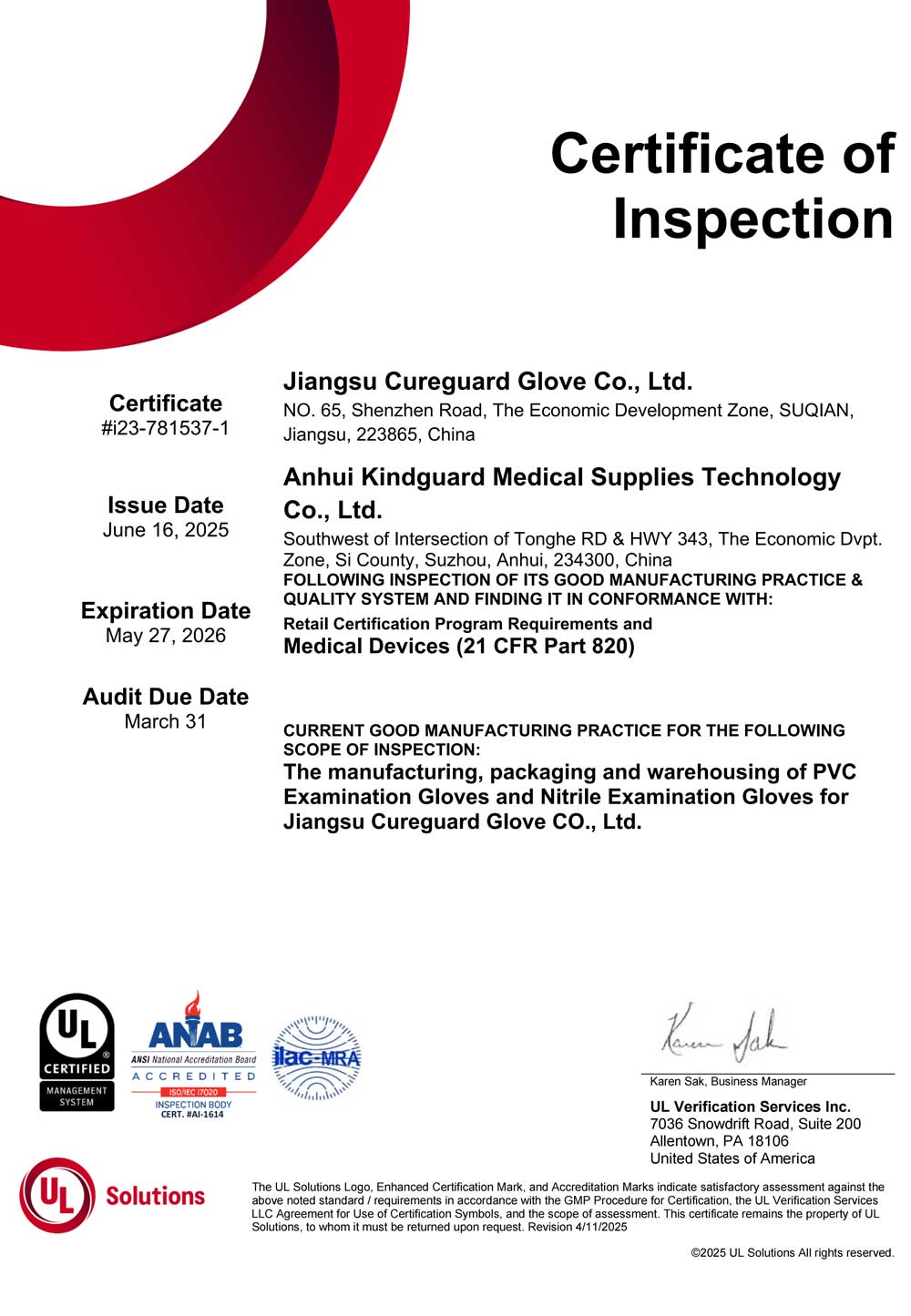
Navigating chemical safety requires adherence to rigorous global standards. Premium disposable gloves must comply with certifications such as EN ISO 374-1 (Terminology and performance requirements for chemical risks), ASTM D6978 (Assessment of resistance to permeation by chemotherapy drugs), and FDA regulations for medical and research applications. An Acceptable Quality Level (AQL) of 1.5 or lower is now the baseline for laboratory environments to prevent micro-leaks. Manufacturers are investing heavily in continuous compliance testing to ensure that their protective wear can withstand exposure to aggressive solvents, concentrated acids, and volatile organic compounds (VOCs) without structural degradation.
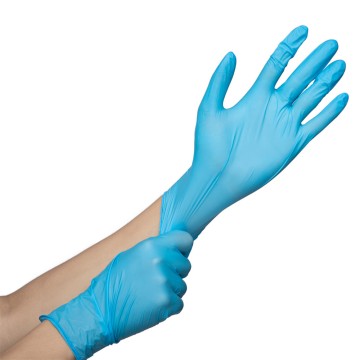
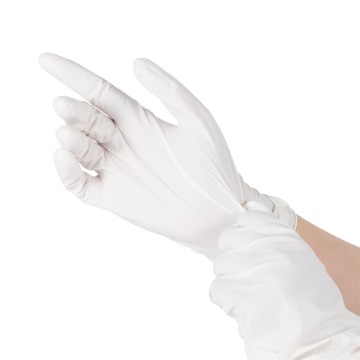
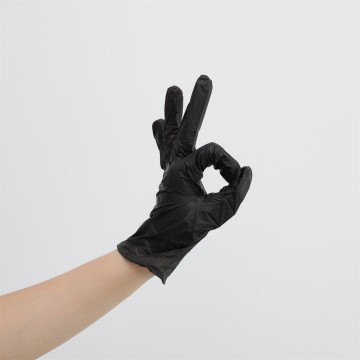
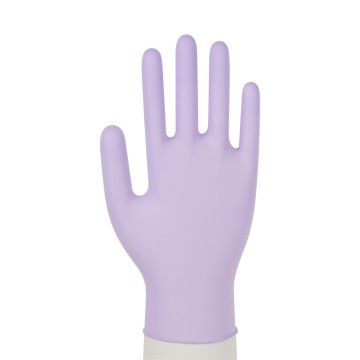
Explore our comprehensive range of protective gloves tailored for varying degrees of chemical exposure and laboratory precision.
Selecting the appropriate polymer formulation is the most critical decision for laboratory managers. The science behind Disposable Exam Gloves dictates their performance against specific chemical families, puncture risks, and prolonged usage fatigue.
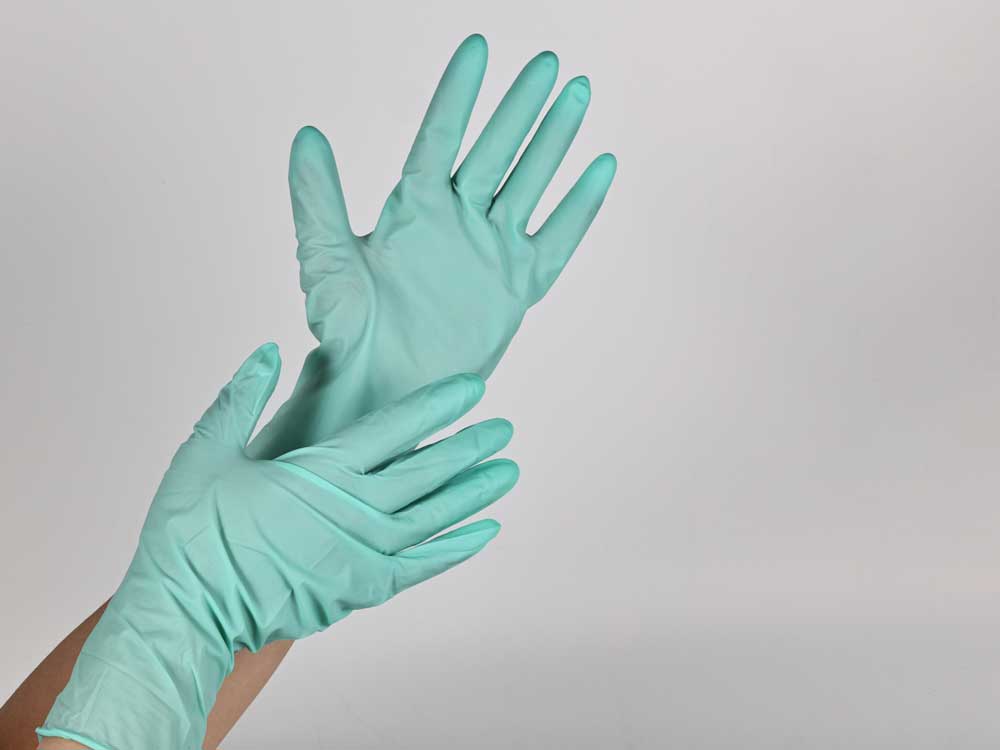
Nitrile Butadiene Rubber (NBR) has become the gold standard for laboratory research and chemical safety. Unlike natural rubber latex, nitrile is inherently synthetic, eliminating the risk of Type I latex allergies—a crucial factor for multi-user lab facilities. From a chemical perspective, nitrile offers superior cross-linking density, which translates to exceptional resistance against:
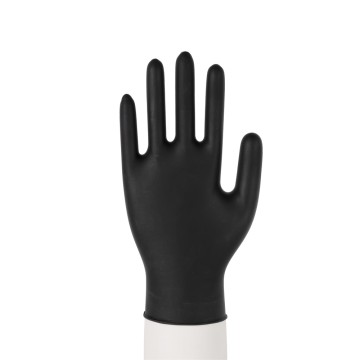
Furthermore, modern nitrile gloves feature micro-roughened fingertips. This textural innovation enhances tactile sensitivity and grip, allowing researchers to handle delicate glassware, micro-pipettes, and slippery chemical vials with utmost precision, even in wet conditions.
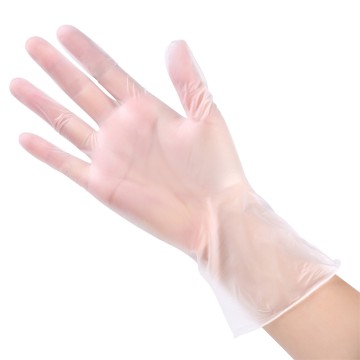
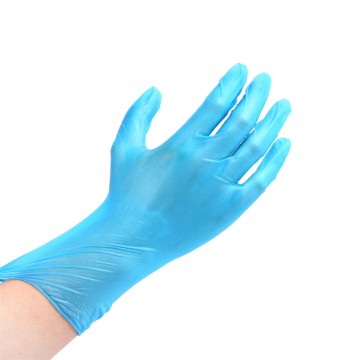
While nitrile dominates high-risk scenarios, Polyvinyl Chloride (Vinyl) gloves hold significant value in low-risk, short-duration laboratory tasks. Vinyl gloves are highly cost-effective and provide adequate protection for basic environmental testing, routine cleaning protocols, and non-hazardous sample handling. Their looser fit promotes airflow, reducing hand sweat during quick tasks. However, it is vital to understand that vinyl is susceptible to degradation by ketones and aromatic solvents, meaning a strict risk assessment must dictate their usage in chemical safety protocols.
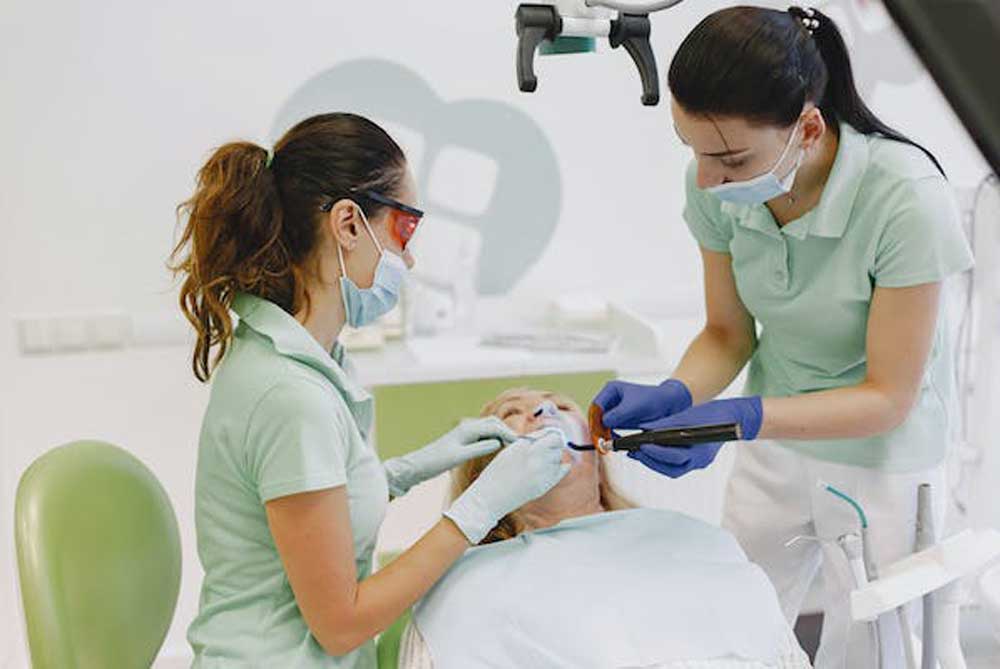
In clinical diagnostics, preventing cross-contamination is paramount. Medical-grade exam gloves act as the primary barrier against infectious agents, bodily fluids, and hazardous reagents used in PCR and ELISA testing.
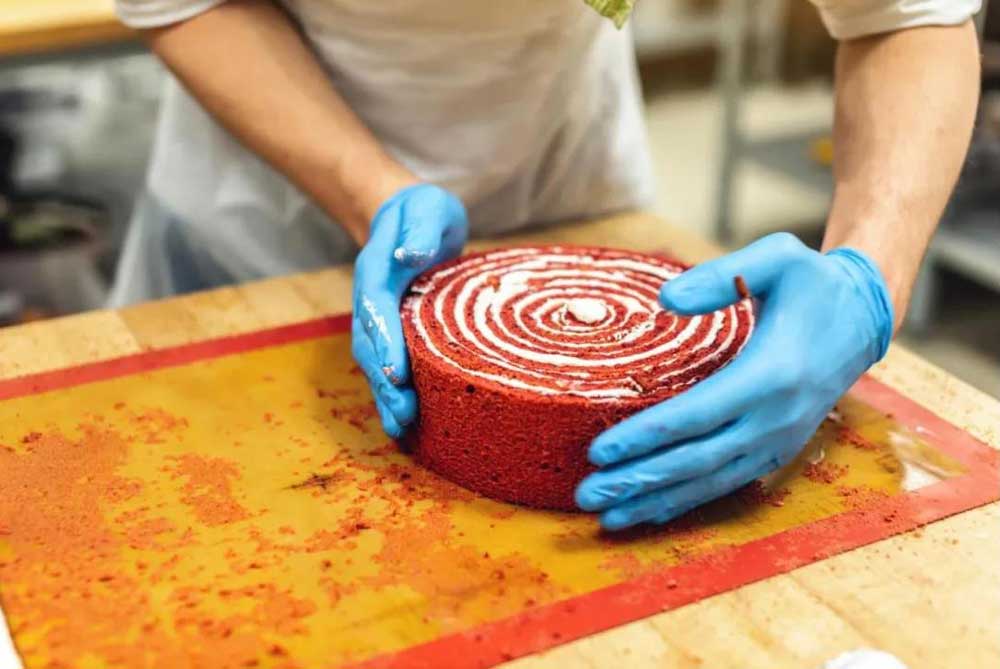
Food safety labs require gloves that are both chemically resistant (for testing reagents) and completely food-safe. Our products ensure no plasticizers or toxic residues contaminate sensitive microbiological samples.
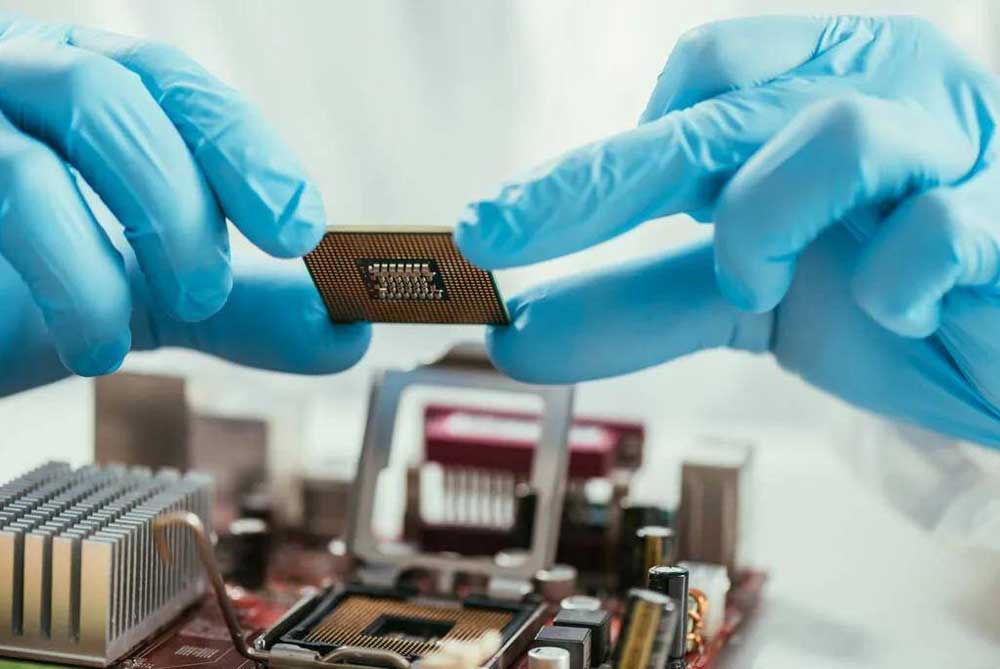
Handling crude oil derivatives, aggressive solvents, and heavy machinery lubricants requires heavy-duty nitrile. These gloves offer high tensile strength to prevent snags and tears in rigorous industrial environments.
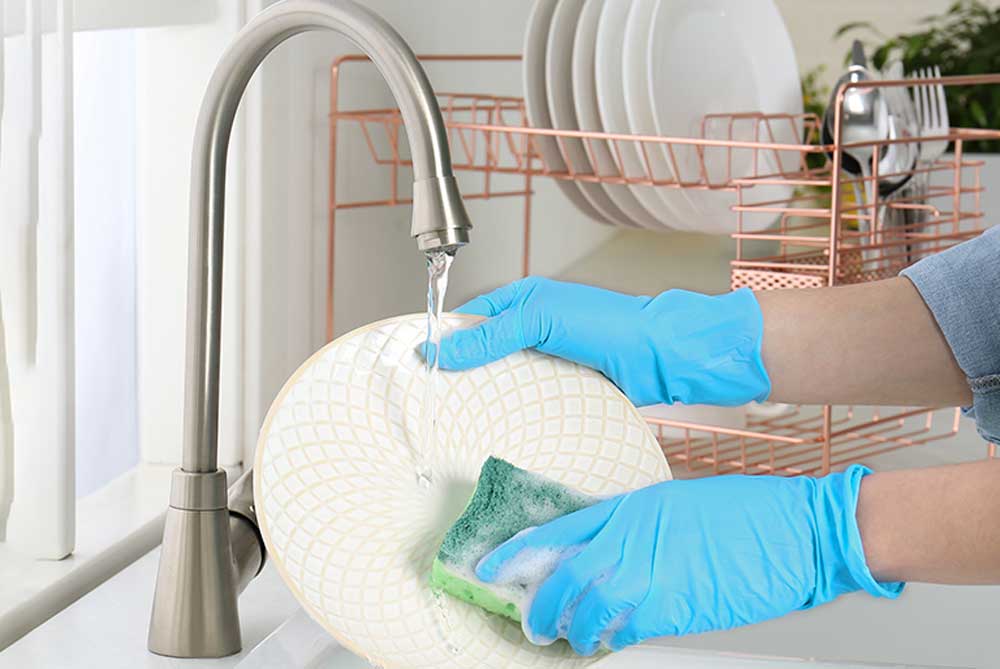
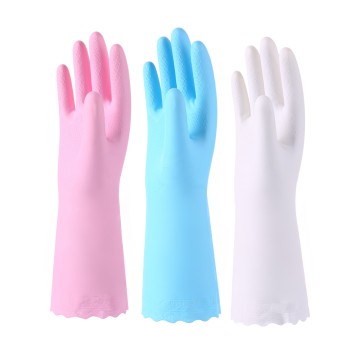
For equipment sterilization, glassware washing, and general facility upkeep, thickened reusable vinyl gloves offer excellent durability and thermal protection, serving as the first line of defense for support staff.
In laboratory research, "chemical resistance" is not a binary concept. It is quantified by breakthrough time and degradation rates. Understanding these metrics is essential for establishing robust chemical safety protocols.
Permeation occurs when a chemical absorbs into the glove material, diffuses through it, and desorbs on the inside, coming into contact with the skin. This can happen without any visible damage to the glove. High-quality Disposable Exam Gloves are engineered with optimized polymer thicknesses to delay this process. For instance, when handling ethidium bromide in DNA sequencing or handling concentrated formaldehyde, researchers rely on specific thickness gauges (typically 4-mil to 8-mil) to ensure the breakthrough time exceeds the duration of the task.
Degradation, on the other hand, is the physical change in the glove—swelling, shrinking, or becoming brittle—upon contact with a chemical. Advanced manufacturing processes now incorporate proprietary vulcanization techniques that stabilize the molecular structure of the gloves, significantly reducing degradation rates when exposed to complex chemical mixtures commonly found in R&D synthesis.
Established in 2006 and headquartered in Jiangsu Province, China, Cureguard Glove Group is specialized in glove manufacturing for over 20 years. We own over 60 production lines dedicated to disposable vinyl and nitrile gloves, and reusable vinyl gloves with an annual output exceeding 10 billion pieces. We supply various kinds of gloves to customers in more than 100 countries and regions worldwide.
We roll out different series of products to address various routine scenario needs, such as medical examination, food contact, electronic industry, household use, and advanced laboratory research.
Click View More 2006
Founded In
2006
Founded In
 5
Factories
5
Factories
 60
Production Lines
60
Production Lines
 10B
Annual Capacity
10B
Annual Capacity

The future of Disposable Exam Gloves For Laboratory Research is being shaped by environmental consciousness and smart manufacturing technologies. As the industry evolves, the focus is shifting towards sustainable safety solutions without compromising on chemical barrier integrity.
Traditional nitrile gloves take decades to decompose in landfills. However, cutting-edge R&D has led to the development of biodegradable nitrile formulations. By incorporating organic additives that attract microbial activity in landfill environments, these next-generation gloves break down significantly faster while maintaining the exact same shelf life, tensile strength, and chemical resistance during active use. This is a game-changer for large-scale research institutions looking to reduce their carbon footprint and hazardous waste impact.
Contact dermatitis (Type IV hypersensitivity) caused by chemical accelerators (like thiurams and thiazoles) used in the glove manufacturing process is a growing concern for lab technicians who wear gloves for 8+ hours a day. The latest trend is the shift towards accelerator-free nitrile gloves. These products utilize advanced cross-linking technologies that eliminate harsh chemical residues, providing a skin-friendly, low-dermatitis potential solution that significantly improves user comfort and occupational health in the laboratory.
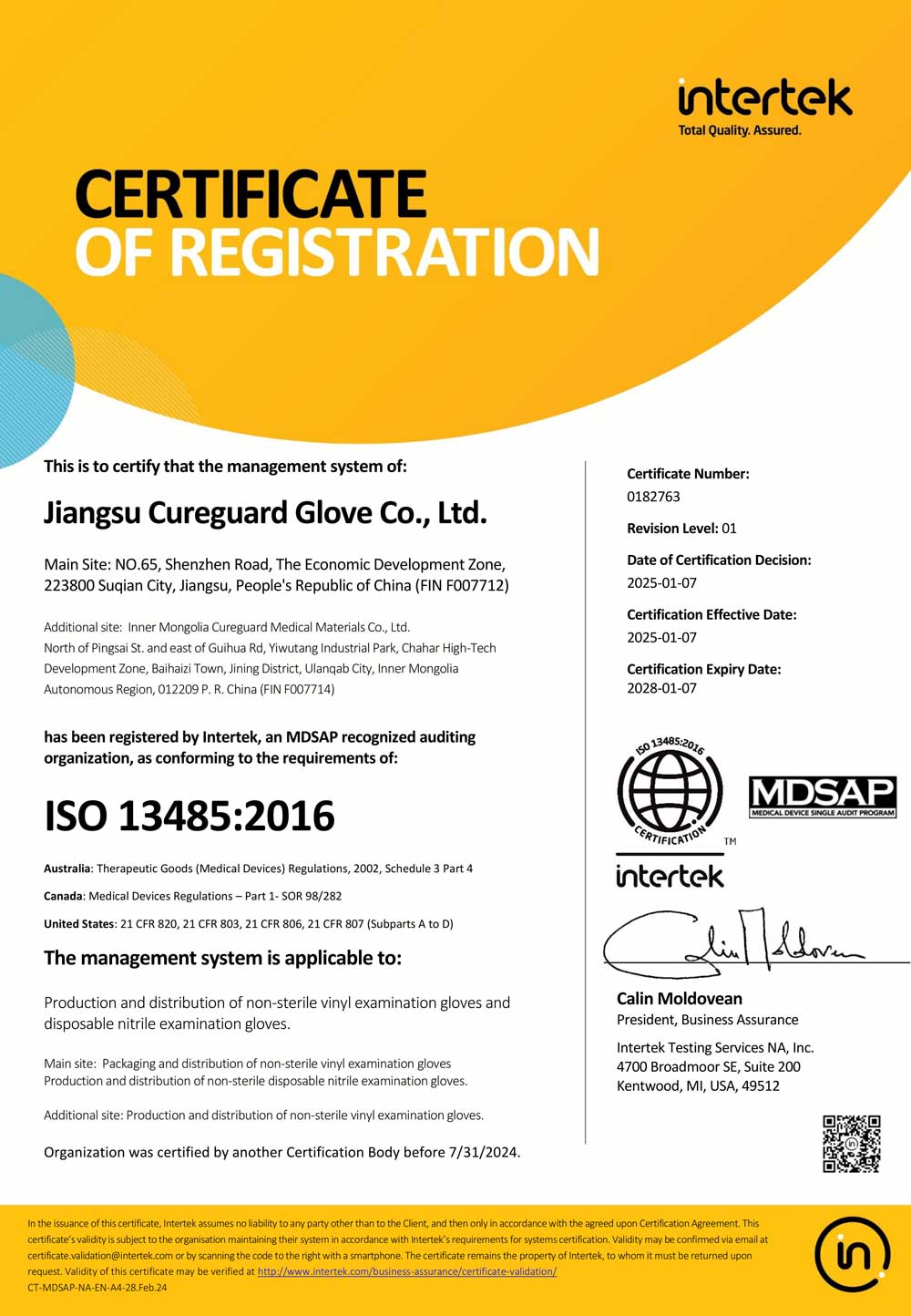
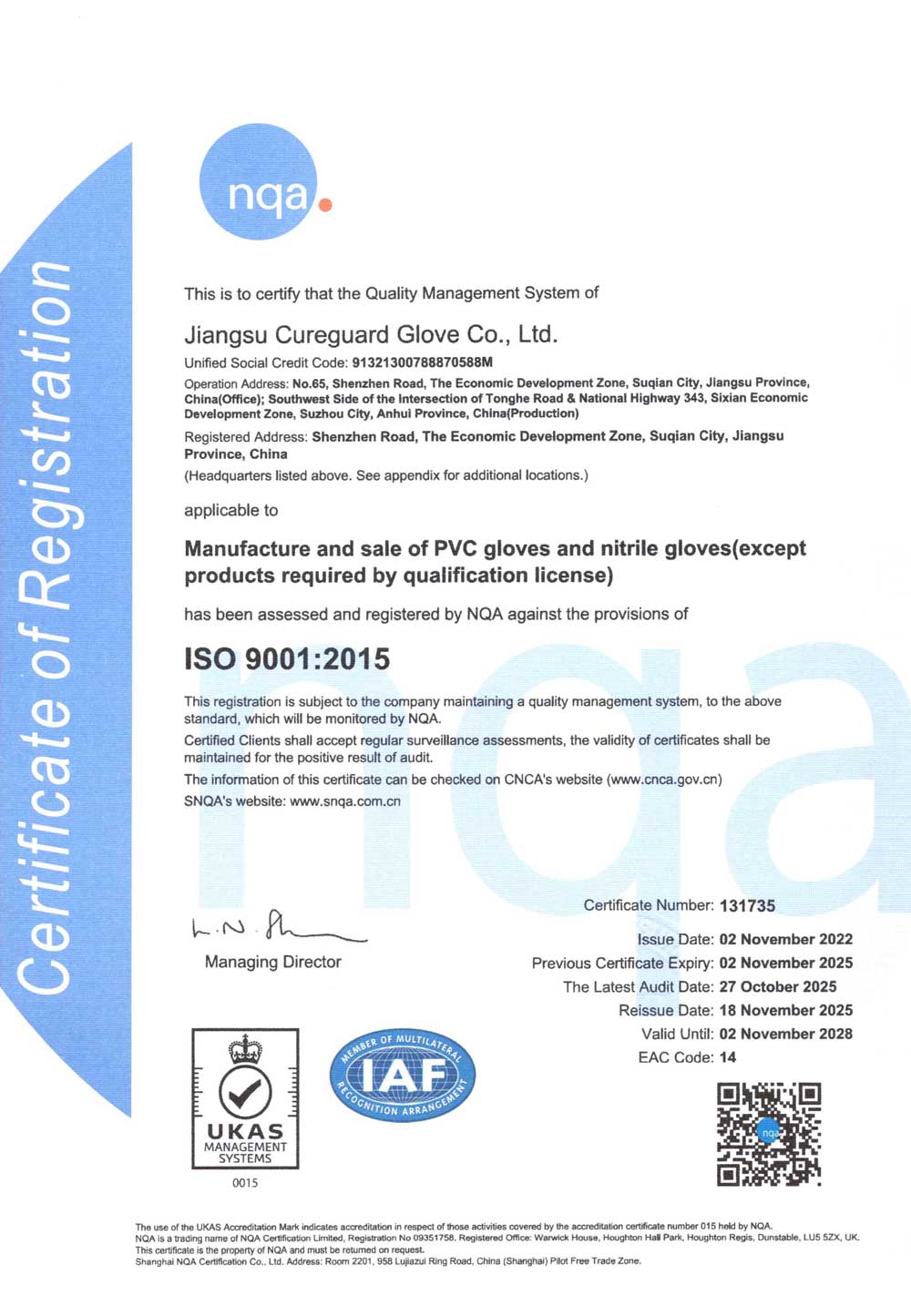
Ensuring global compliance and unparalleled quality assurance for laboratory and clinical applications.
Medical staff and researchers wear nitrile gloves to prevent bacterial cross-infection. Proper donning techniques are critical...
February 02, 2026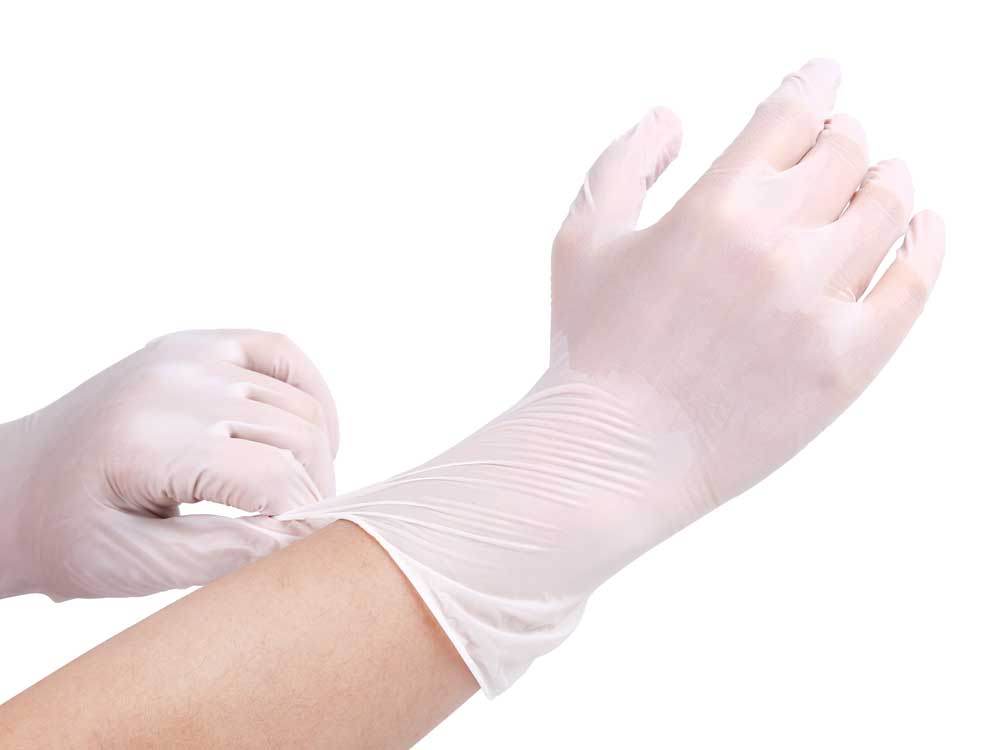
In the field of sensitive processing, hand contact is one of the primary risk points for cross-contamination...
February 02, 2026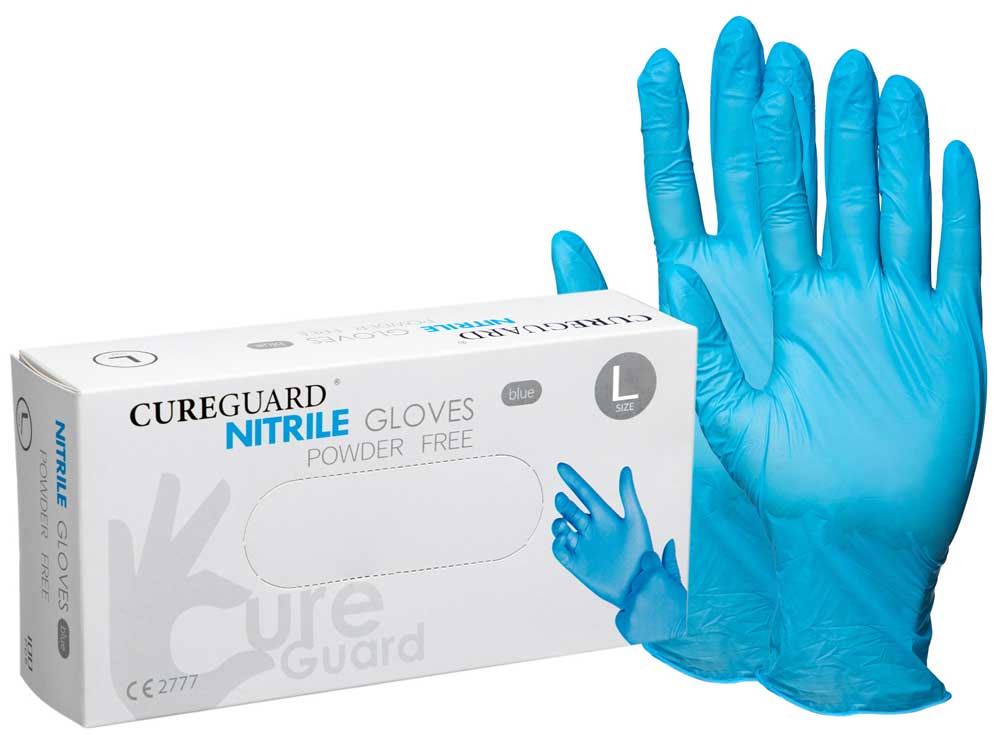
With the growing awareness of safety protection, the demand for high-end protective equipment is showing rapid growth...
February 02, 2026Select from our extensive range of specialized gloves designed for rigorous chemical safety, precise laboratory research, and industrial-grade protection.