
Leave Your Message
-
Contact Phone
-
 Contact Email
Advanced Protective Solutions Engineered for Precision, Durability, and Ultimate Fluid Visibility in Heavy-Duty Environments.
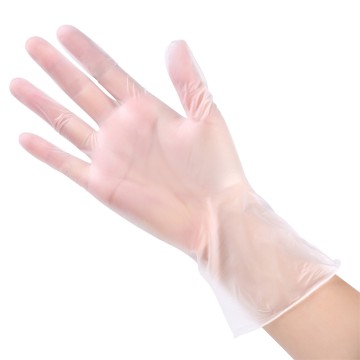
In the demanding world of industrial maintenance, automotive repair, and facility management, personal protective equipment (PPE) is not just a regulatory requirement—it is the frontline defense against chemical exposure, physical abrasions, and cross-contamination. Among the vast array of hand protection options available today, Clear Vinyl Gloves have carved out a highly specific and indispensable niche. Manufactured primarily from Polyvinyl Chloride (PVC) and specialized plasticizers, these gloves offer a unique combination of cost-efficiency, latex-free safety, and unparalleled visual clarity.
While heavy-duty nitrile or thick rubber gloves are often associated with extreme mechanical tasks, the modern industrial landscape is highly nuanced. Mechanics and maintenance technicians frequently engage in tasks that require frequent glove changes, visual inspection of fluids, and protection against non-corrosive industrial grime. Here, the clear vinyl glove emerges as the optimal solution. The inherent transparency of the material allows technicians to immediately identify the color and consistency of automotive oils, hydraulic fluids, and coolants directly on their fingertips—a diagnostic advantage that opaque nitrile or latex gloves simply cannot provide.
Material Science Insight: The core advantage of vinyl (PVC) in industrial settings lies in its synthetic nature. It is completely free of natural rubber latex proteins, eliminating the risk of Type I allergic reactions among workforce personnel, ensuring compliance with strict occupational health and safety standards.
In automotive mechanics and aviation maintenance, fluid analysis is a critical diagnostic tool. The color of transmission fluid, the presence of metal shavings in motor oil, or the tint of a hydraulic leak provides immediate feedback on machinery health. Clear vinyl gloves act as a transparent barrier, protecting the skin while allowing the technician to accurately assess the fluid's condition without removing the glove. This visual acuity accelerates troubleshooting processes and enhances operational efficiency on the shop floor.
Established in 2006 and headquartered in Jiangsu Province, China, Cureguard Glove Group is specialized in glove manufacturing for over 20 years.
We own over 60 production lines dedicated to disposable vinyl and nitrile gloves, and reusable vinyl gloves with an annual output exceeding 10 billion pieces. We supply various kinds of gloves to customers in more than 100 countries and regions worldwide.
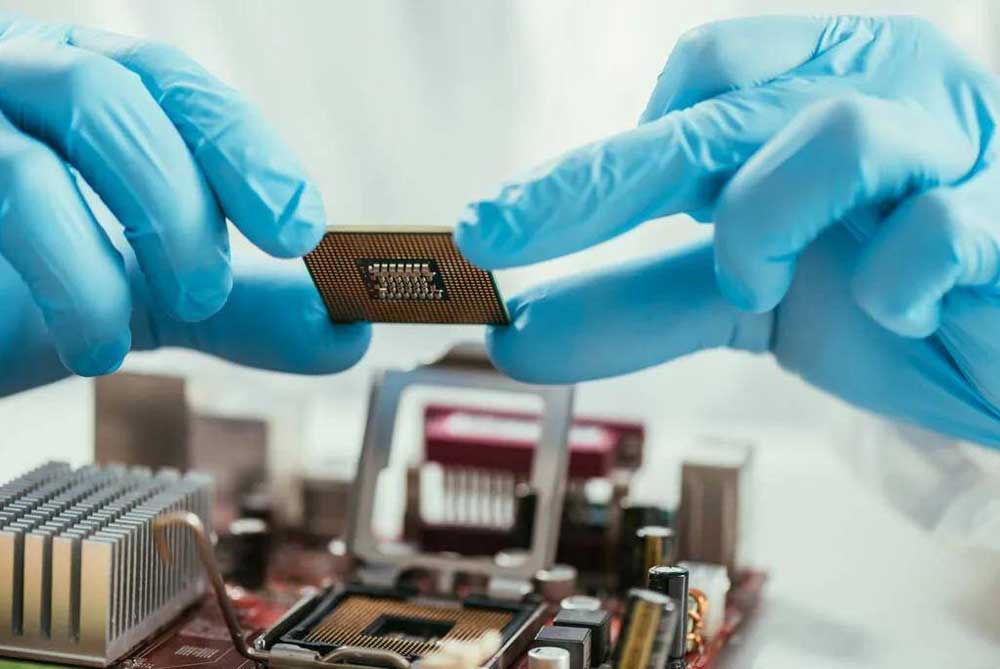
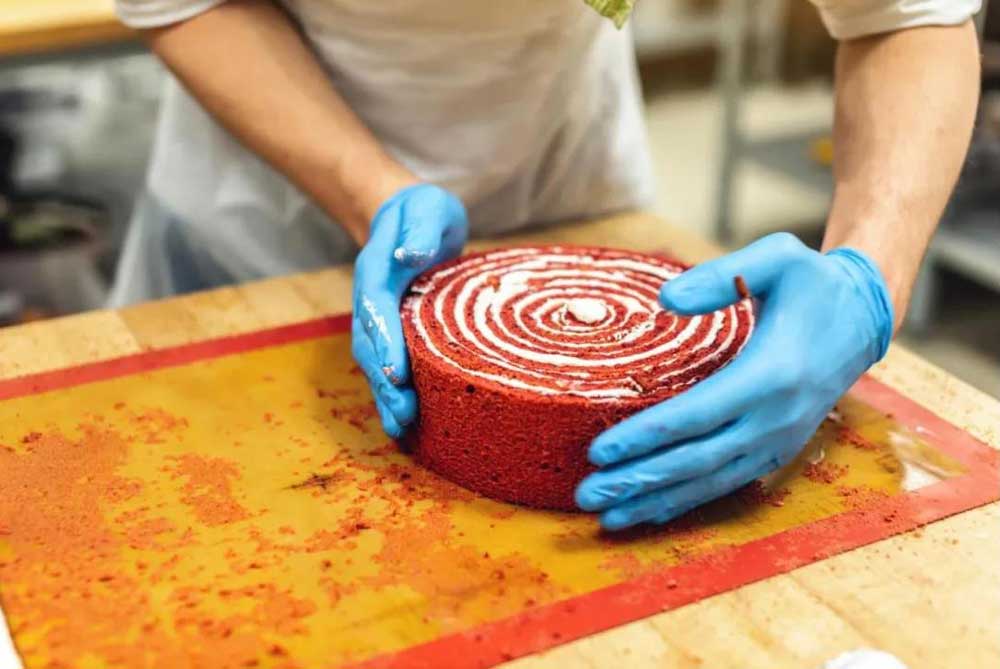
We roll out different series of products to address various routine scenario needs, such as medical examination, food contact, electronic industry, and industrial maintenance.



The global market for industrial disposable gloves has experienced unprecedented volatility over the past decade. Supply chain disruptions, fluctuating raw material costs for nitrile butadiene rubber (NBR), and shifting global demands have forced procurement managers in the industrial maintenance sector to re-evaluate their PPE strategies. In this context, Clear Vinyl Gloves have emerged as a cornerstone of economic resilience.
Unlike nitrile, which requires complex chemical vulcanization processes, the manufacturing of PVC vinyl gloves is highly streamlined. This structural efficiency translates to a significantly lower cost-per-unit. For large-scale maintenance operations—such as fleet management depots, HVAC servicing companies, and assembly line plants—where workers may change gloves dozens of times per shift to prevent cross-contamination between different machinery parts, the economic advantage of vinyl is undeniable.
Ideal for tasks requiring frequent glove changes, minimizing operational overhead without compromising basic barrier protection.
PVC raw materials are globally abundant, insulating buyers from the severe price spikes often seen in the latex and nitrile markets.
Vinyl naturally resists static charge buildup, making it suitable for basic electronic component handling within industrial maintenance.
Vinyl gloves are highly resistant to ozone and UV degradation, offering a longer shelf life in warehouse storage compared to natural rubber.
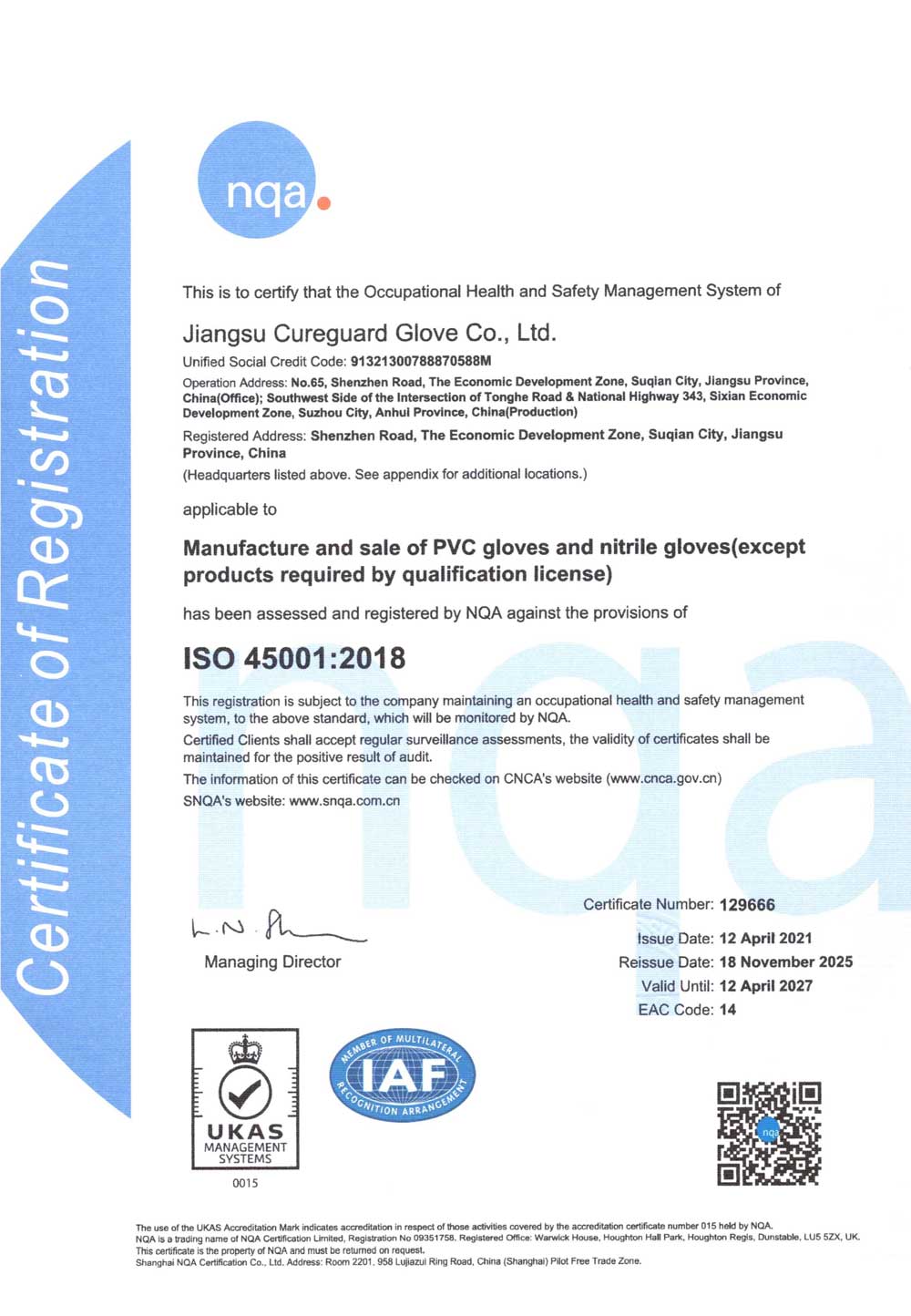
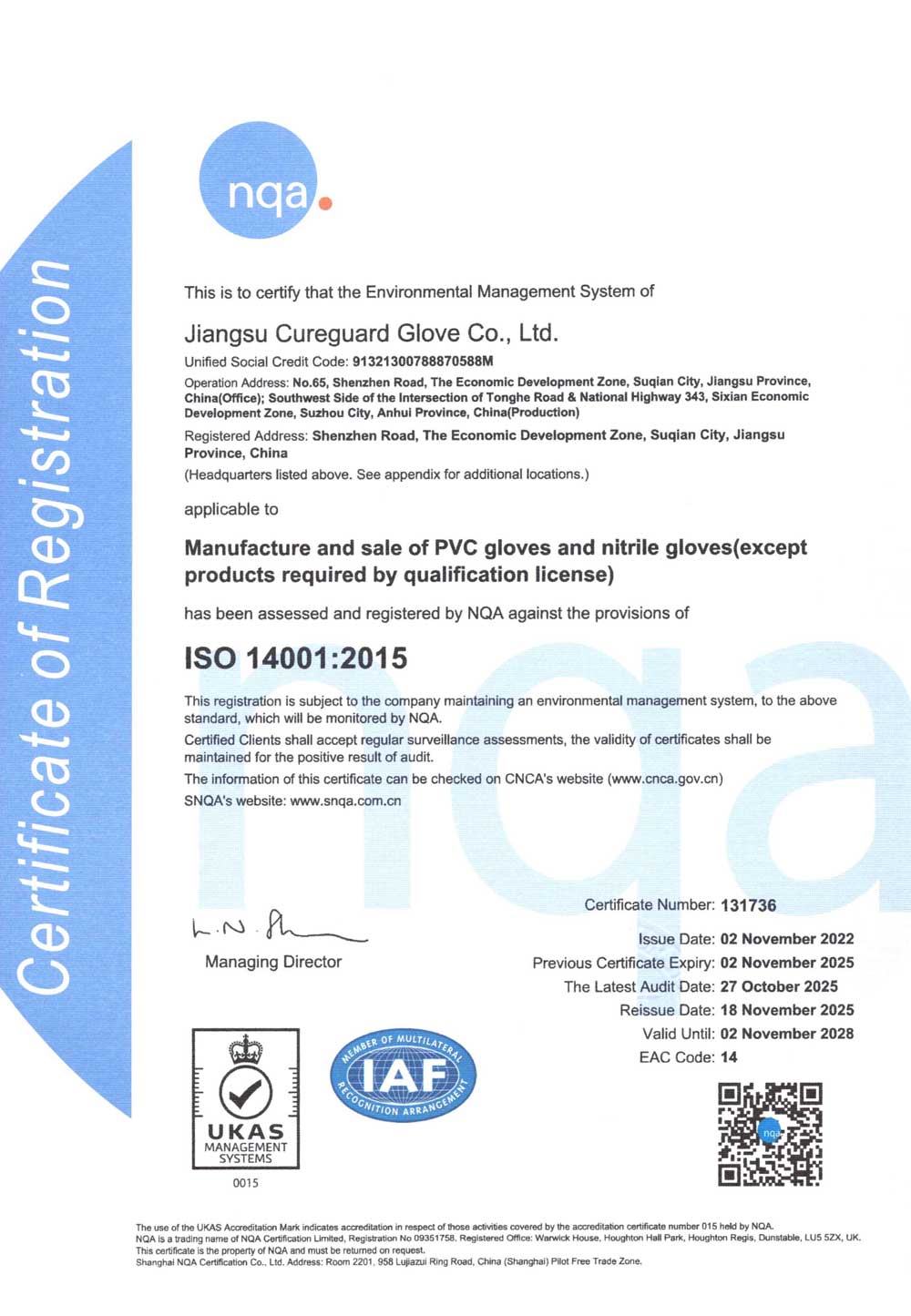
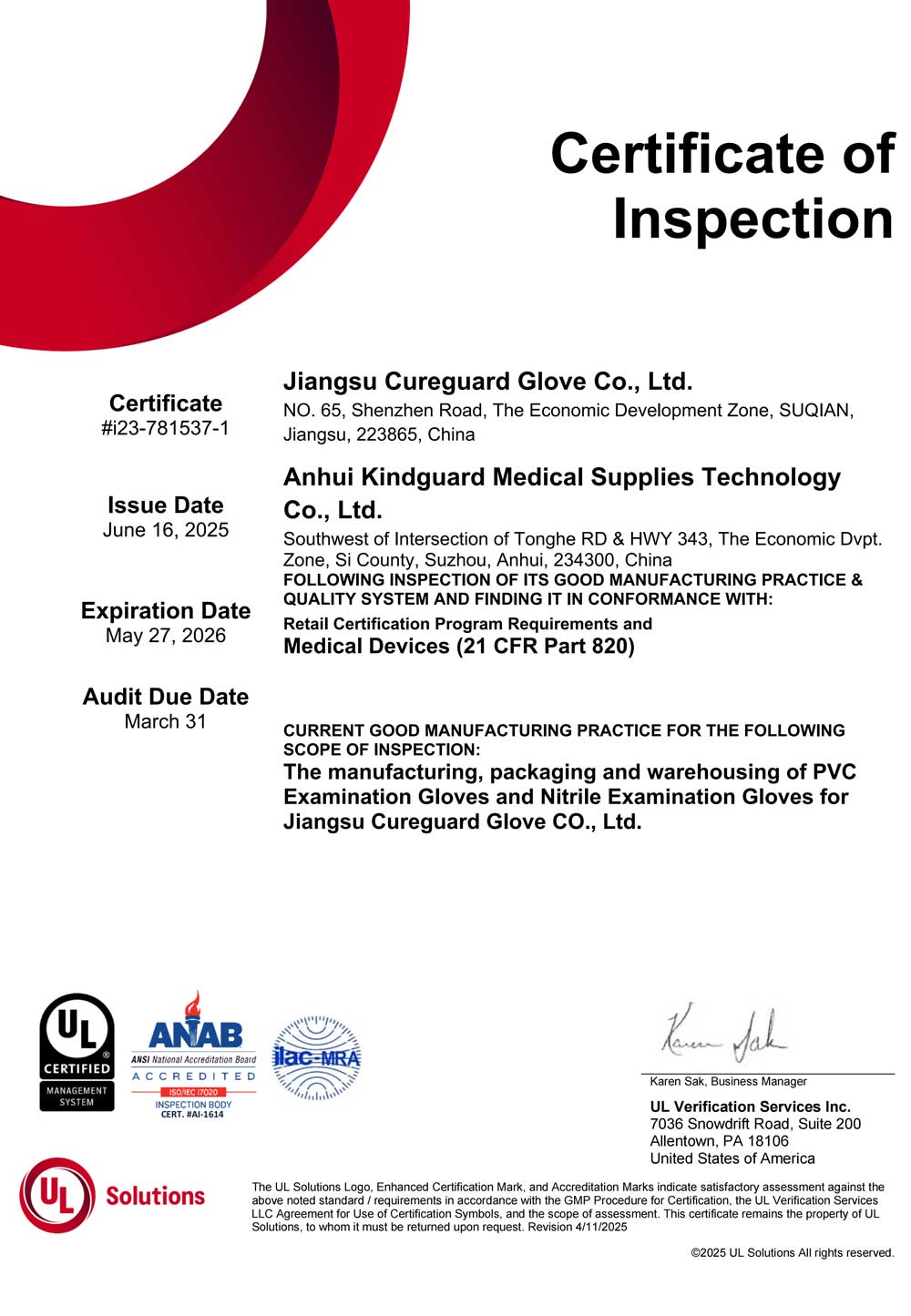
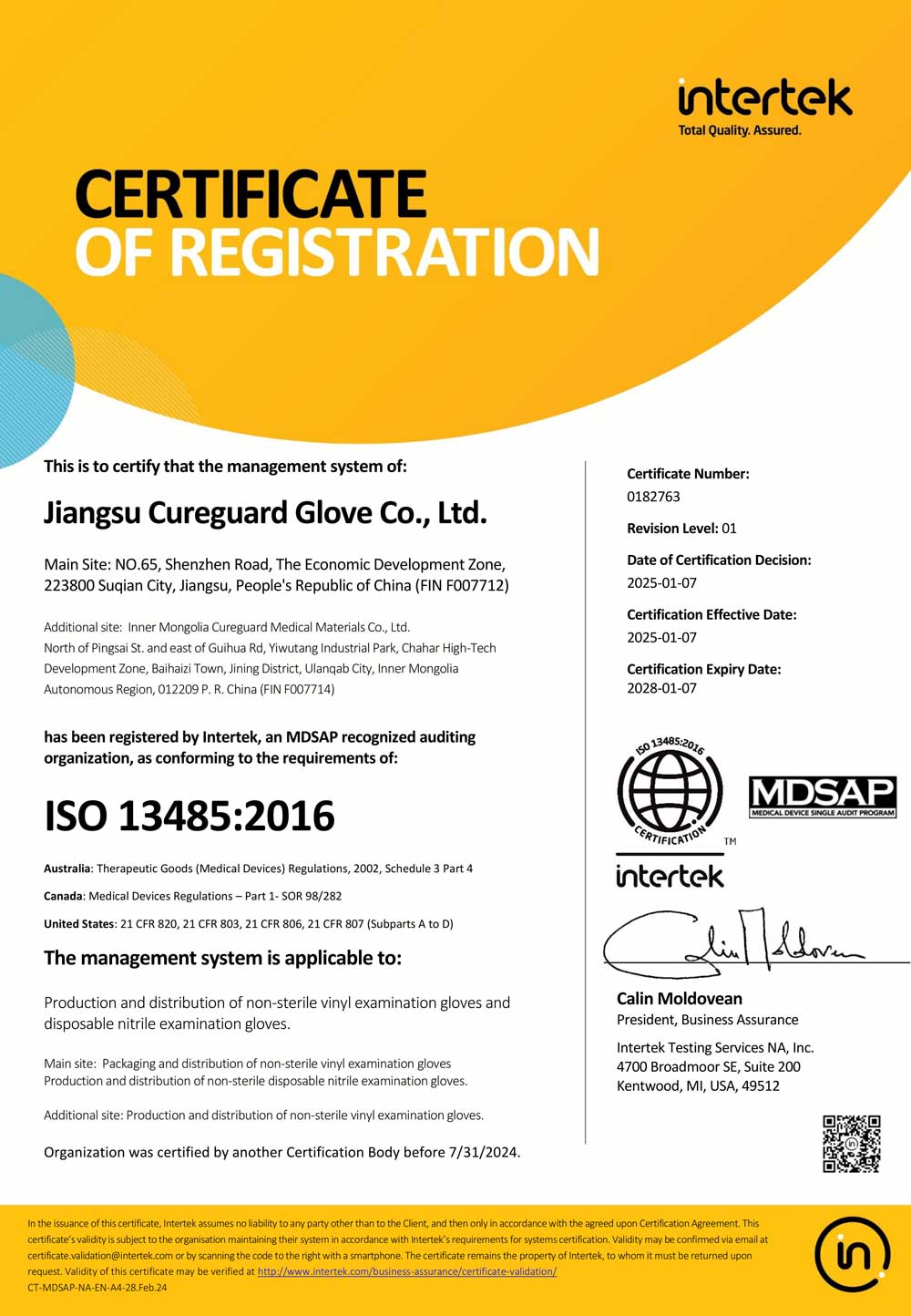
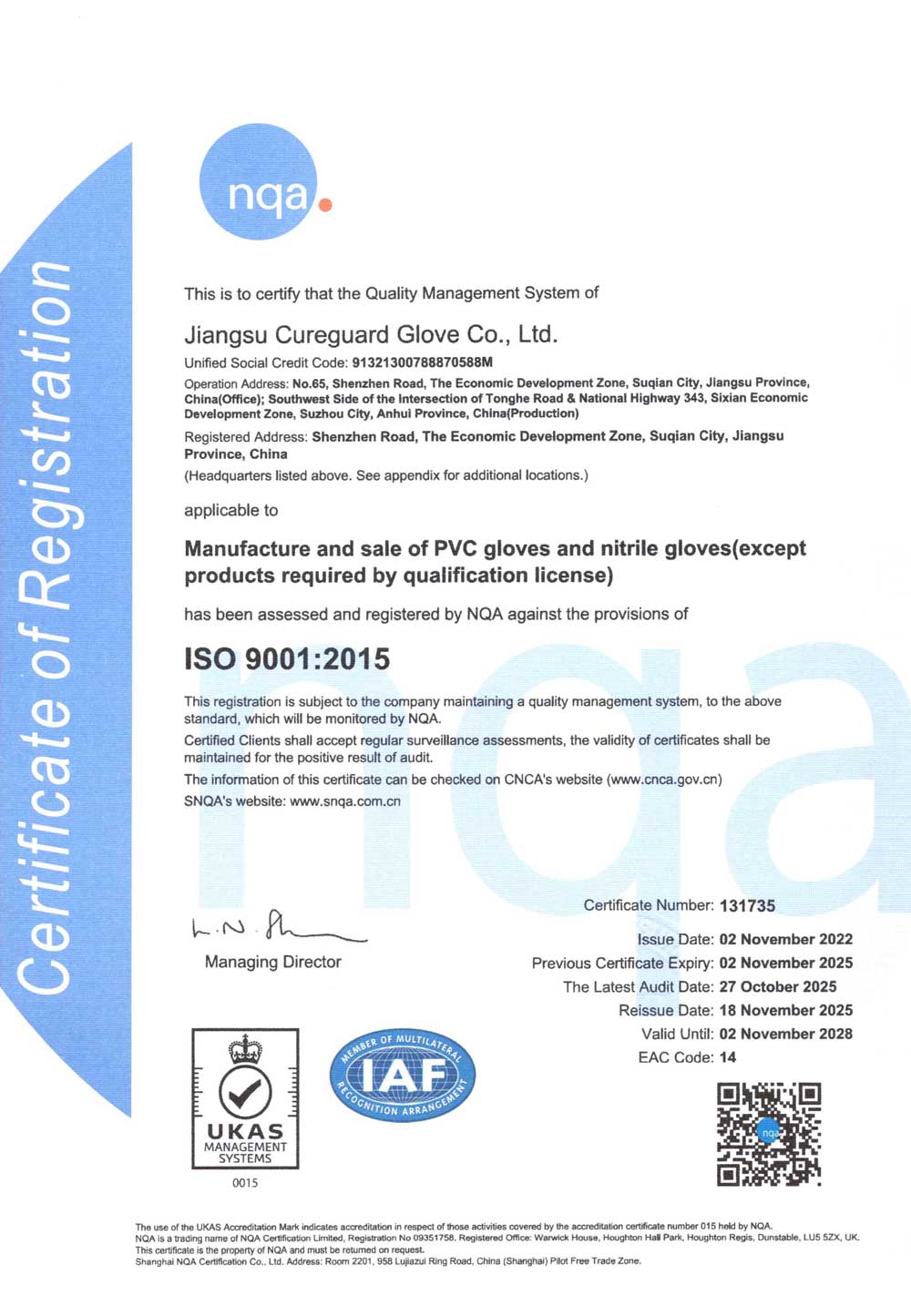
Our commitment to industrial safety is backed by rigorous international standards, ensuring every batch of gloves meets strict quality control parameters.
The versatility of clear vinyl gloves extends far beyond simple janitorial work. In the realm of industrial maintenance and mechanics, specific scenarios demand the exact properties that PVC provides. Let us delve into the granular applications where these gloves excel.
Heating, Ventilation, and Air Conditioning (HVAC) technicians constantly deal with dust, mild cleaning solvents, and the application of thermal pastes or lubricants. Clear vinyl gloves provide an excellent barrier against dirt and grime while offering a looser fit that promotes airflow around the hand, reducing sweat accumulation during long shifts in hot utility rooms. Furthermore, when inspecting refrigerant lines for leaks using UV dyes, the clear nature of the glove ensures no visual obstruction occurs.
Modern industrial machinery is heavily reliant on programmable logic controllers (PLCs) and intricate wiring systems. Maintenance mechanics repairing these control panels must avoid transferring skin oils, moisture, or static electricity to sensitive circuit boards. Vinyl gloves possess inherently low static properties compared to standard latex. A well-fitted clear vinyl glove allows for the tactile sensitivity required to strip fine wires and connect micro-terminals, all while keeping the components pristine.
While heavy engine teardowns might necessitate thick nitrile, the daily routine of a mechanic involves countless light-duty tasks. Checking dipsticks, replacing air filters, topping up windshield washer fluids, and performing interior detailing are tasks where heavy gloves are overkill. Clear vinyl gloves offer the perfect balance: they keep hands clean from soot and light grease, are incredibly easy to don and doff, and cost a fraction of premium alternatives.
Before machinery can be repainted or coated, it must be sanded, degreased, and prepped. Technicians use mild solvents and tack cloths to prepare the surface. Vinyl gloves provide an adequate barrier against many non-hazardous paints and mild cleaning agents. Because they are economical, workers can change them frequently to ensure that no cross-contamination of dust or old paint particles ruins the new finish.


As occupational safety regulations evolve and environmental consciousness grows, the manufacturing of clear vinyl gloves for industrial maintenance is undergoing a technological renaissance. The industry is actively addressing historical limitations and pushing the boundaries of what PVC materials can achieve.
Historically, concerns were raised regarding the use of certain phthalate plasticizers in PVC manufacturing. The modern trend is a rapid shift toward eco-friendly, non-toxic alternatives such as DOTP (Dioctyl terephthalate). These advanced formulations not only ensure compliance with stringent global health regulations (like REACH in Europe and Prop 65 in California) but also improve the overall elasticity and tensile strength of the glove, making them more resilient against the snagging hazards common in mechanical work.
To bridge the performance gap between pure vinyl and nitrile, manufacturers are developing vinyl-nitrile blend gloves. These hybrid solutions maintain the cost-effectiveness and clear/semi-clear aesthetic of vinyl while incorporating the enhanced chemical resistance and form-fitting stretch of nitrile. For mechanics dealing with slightly more aggressive solvents, these hybrids represent the next frontier in hand protection.
With an annual capacity exceeding 10 billion pieces, companies like Cureguard Glove Group are investing heavily in automated, closed-loop production systems. These smart factories minimize energy consumption, recycle water, and capture emissions. For the environmentally conscious industrial procurement officer, sourcing clear vinyl gloves from modernized facilities ensures that their company's safety protocols align with their corporate sustainability goals (ESG).
In conclusion, the Clear Vinyl Glove is far more than a basic commodity. It is a highly engineered, economically vital tool tailored for the specific demands of industrial maintenance and mechanics. By providing essential barrier protection, promoting visual diagnostics, and ensuring operational cost-efficiency, clear vinyl gloves will continue to be a staple in toolboxes and facility supply closets worldwide.
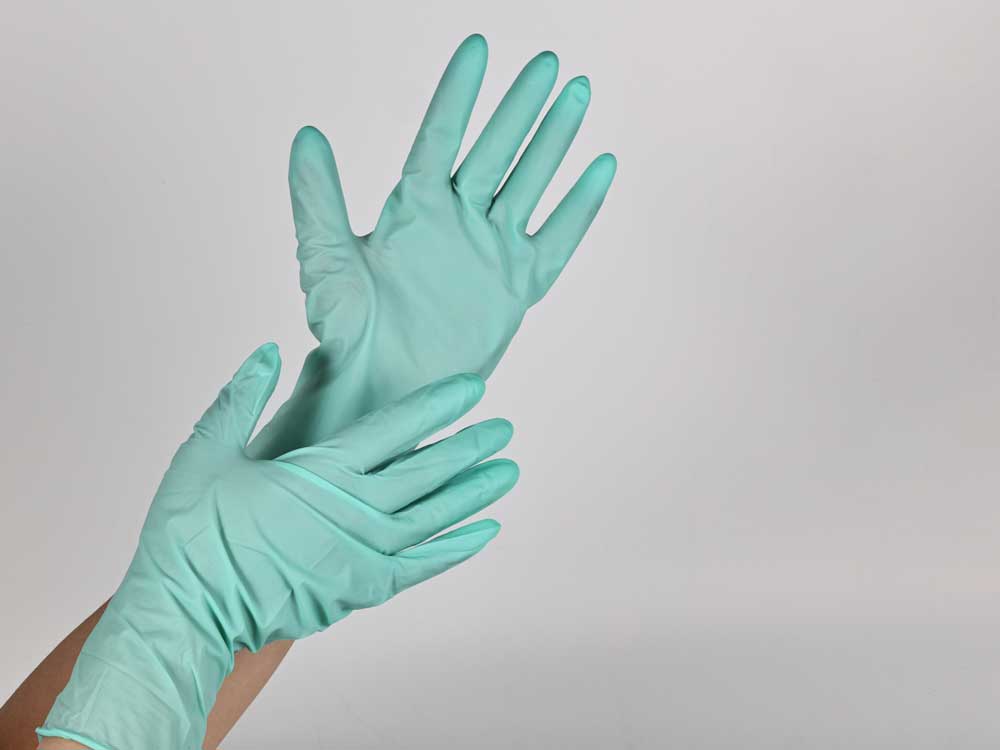
Understanding the correct procedures for wearing protective gloves to maintain a sterile and safe environment across various industries...
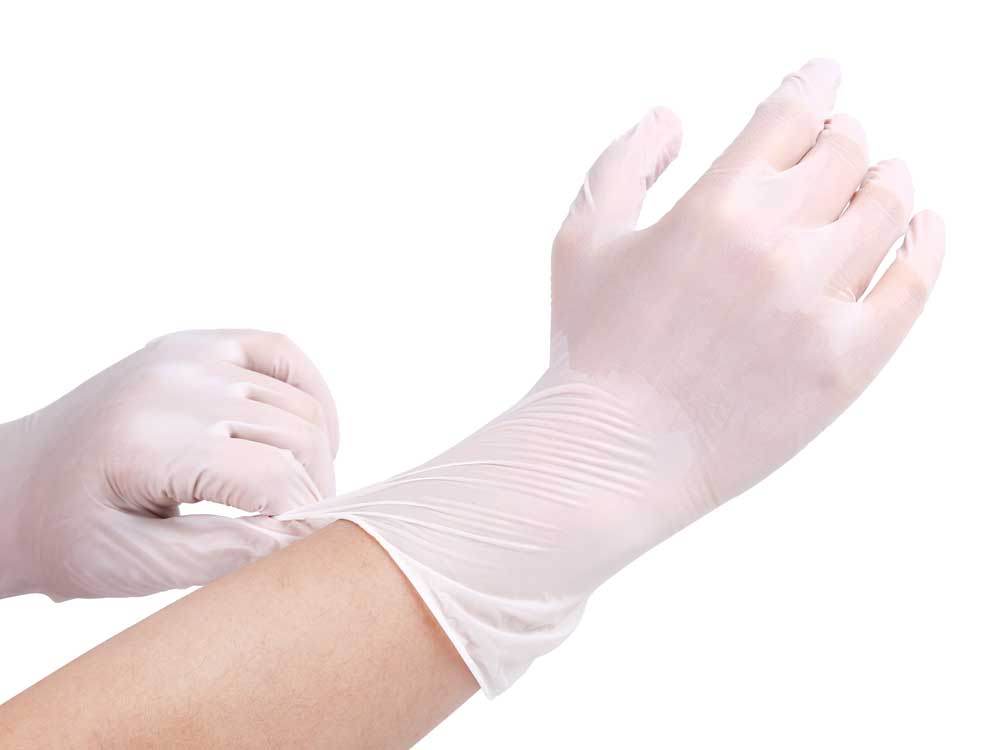
In the field of processing and maintenance, hand contact is one of the primary risk points. Discover how PVC fortifies defense lines...
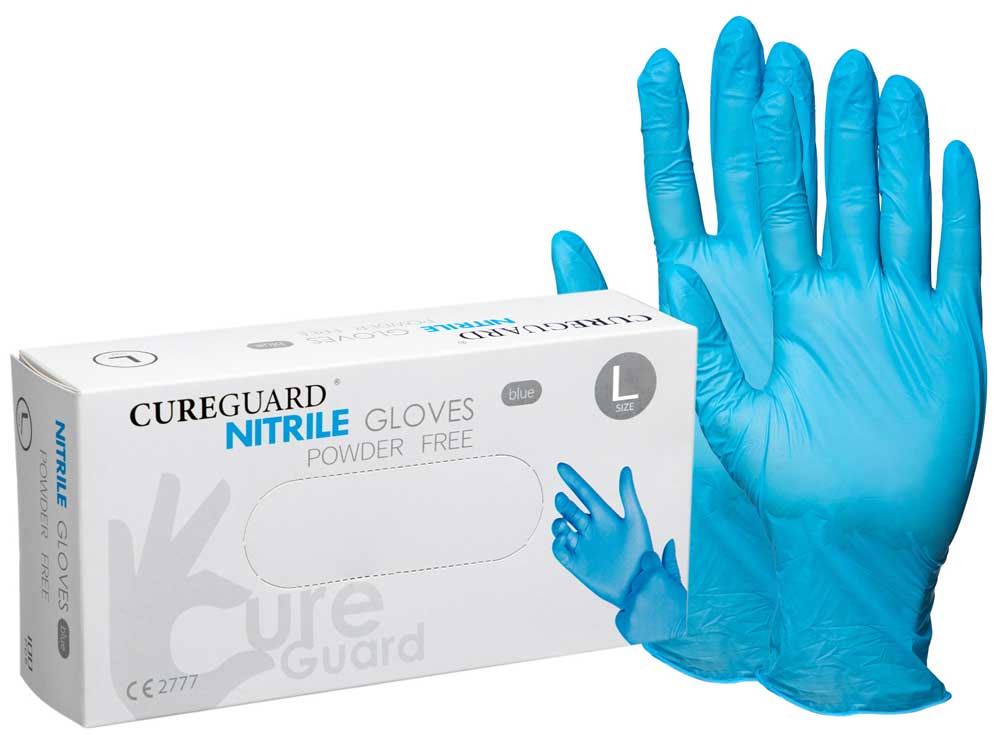
With the growing awareness of safety protection, the demand for varied protective equipment is showing rapid growth in mechanics...