
Leave Your Message
-
Contact Phone
-
 Contact Email
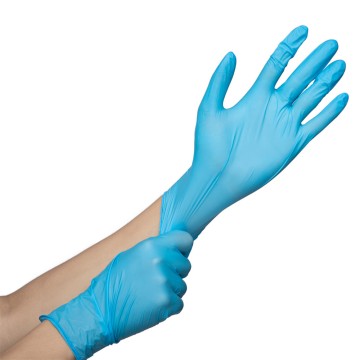
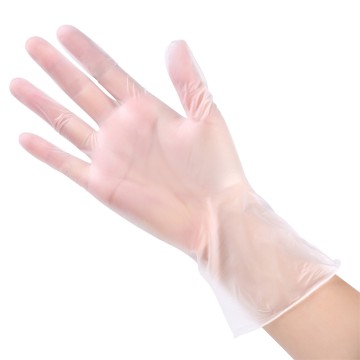
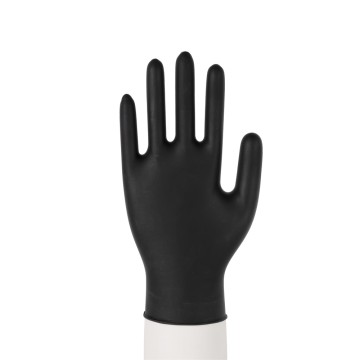
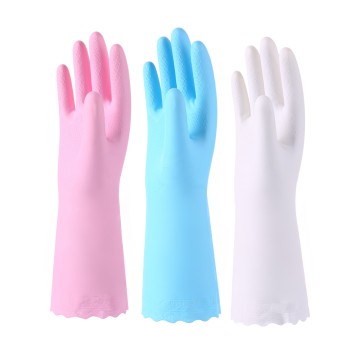
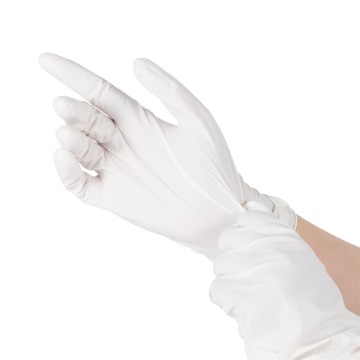
In the rapidly evolving sectors of laboratory research and industrial chemical safety, the demand for high-performance personal protective equipment (PPE) has reached unprecedented levels. At the forefront of this demand are Chloroprene Gloves, also widely known as neoprene gloves. These synthetic rubber gloves represent a pinnacle of polymer engineering, designed specifically to bridge the gap between the exceptional chemical resistance of nitrile and the unparalleled flexibility and comfort of natural rubber latex.
Commercially, the global market for chloroprene gloves is experiencing a robust compound annual growth rate (CAGR). This surge is primarily driven by stringent occupational health and safety regulations implemented by organizations such as OSHA, the EPA, and the European Agency for Safety and Health at Work. Industries dealing with hazardous volatile organic compounds (VOCs), concentrated acids, and complex bio-chemical syntheses are systematically phasing out inferior materials in favor of chloroprene.
From an industrial standpoint, manufacturing facilities are adopting AI-driven quality control mechanisms to ensure zero-defect production. The synthesis of polychloroprene requires meticulous temperature control and precise chemical formulation. Modern factories now utilize smart-sensors and machine learning algorithms to monitor the dipping process, ensuring that every batch of chloroprene gloves intended for laboratory research meets exact thickness, tensile strength, and pinhole-free standards.
The cornerstone of chloroprene's utility in laboratory research and chemical safety lies in its broad-spectrum chemical resistance. Unlike standard materials that may degrade rapidly upon contact with specific molecular structures, polychloroprene offers a unique molecular cross-linking that repels a vast array of hazardous substances.
Exceptional barrier against sulfuric acid, nitric acid, and sodium hydroxide. Vital for titration and organic synthesis protocols.
Resists degradation from methanol, ethanol, and various aliphatic solvents used routinely in chromatography and mass spectrometry prep.
Impermeable to bloodborne pathogens and complex biologically active reagents, ensuring absolute safety in BSL-2 and BSL-3 environments.
In practical laboratory scenarios, researchers often encounter unpredictable chemical splashes. A standard nitrile glove, while effective against oils, might fail rapidly when exposed to certain ketones. Conversely, latex offers poor resistance to hydrocarbons. Chloroprene gloves act as the ultimate hybrid. Their unique polymer chain structure prevents rapid swelling and degradation, providing critical extra minutes for a researcher to safely remove the contaminated glove and wash their hands following an accidental chemical exposure.
Furthermore, the implementation of chloroprene in chemical safety protocols significantly reduces the logistical burden on procurement departments. Instead of stocking multiple types of polymers for different laboratory wings, safety officers can standardize on high-quality chloroprene, knowing it covers the broadest spectrum of chemical hazards while maintaining strict compliance with EN 374 and ASTM D6977 standards.
While chemical defense is paramount, the physical comfort and ergonomic profile of a glove dictate its real-world effectiveness. Laboratory research is characterized by meticulous, repetitive tasks: pipetting micro-volumes, handling fragile glassware, and operating highly sensitive analytical instruments. Hand fatigue is a critical issue that can lead to diminished concentration and catastrophic errors.
Chloroprene gloves excel in their low modulus of elasticity. This means that once donned, the glove material relaxes and conforms perfectly to the contours of the wearer's hand, exerting minimal pressure. This "second skin" feel mimics the beloved characteristics of natural rubber latex, but entirely eliminates the risk of Type I latex allergies—a severe immune response caused by latex proteins that has forced many medical and research institutions to ban latex entirely.
The tactile sensitivity provided by advanced chloroprene formulations allows researchers to feel the subtle click of a micropipette or the delicate texture of a biological sample. Micro-roughened fingertips are often engineered into the mold, providing enhanced grip in both wet and dry conditions. This ensures that slippery glass beakers coated in condensation or chemical residues are handled with absolute confidence, directly reducing the incidence of laboratory accidents.
The future of Chloroprene Gloves For Laboratory Research And Chemical Safety is heavily intertwined with global sustainability goals and the advent of smart PPE technologies. Historically, synthetic rubbers have posed environmental challenges regarding disposal. However, cutting-edge biochemical engineering is currently paving the way for biodegradable chloroprene blends. By infusing the polymer matrix with specific organic additives, manufacturers are creating gloves that maintain their robust shelf life and chemical resistance during use, but accelerate biodegradation when disposed of in biologically active landfill environments.
Beyond eco-friendly materials, the integration of nanotechnology is an emerging trend. Researchers are developing "smart" chloroprene gloves embedded with halochromic nanomaterials. These advanced gloves can change color instantly upon contact with specific hazardous chemicals or when a micro-puncture compromises the barrier. This visual alert system provides an immediate, failsafe warning to laboratory personnel, drastically minimizing exposure time to invisible neurotoxins or corrosive agents.
Furthermore, the manufacturing process itself is undergoing a green revolution. Advanced water-recycling systems and solar-powered dipping lines are reducing the carbon footprint of chloroprene glove production. As institutional buyers increasingly factor ESG (Environmental, Social, and Governance) criteria into their procurement processes, the development of sustainable, high-tech chloroprene solutions will dominate the market trajectory over the next decade.
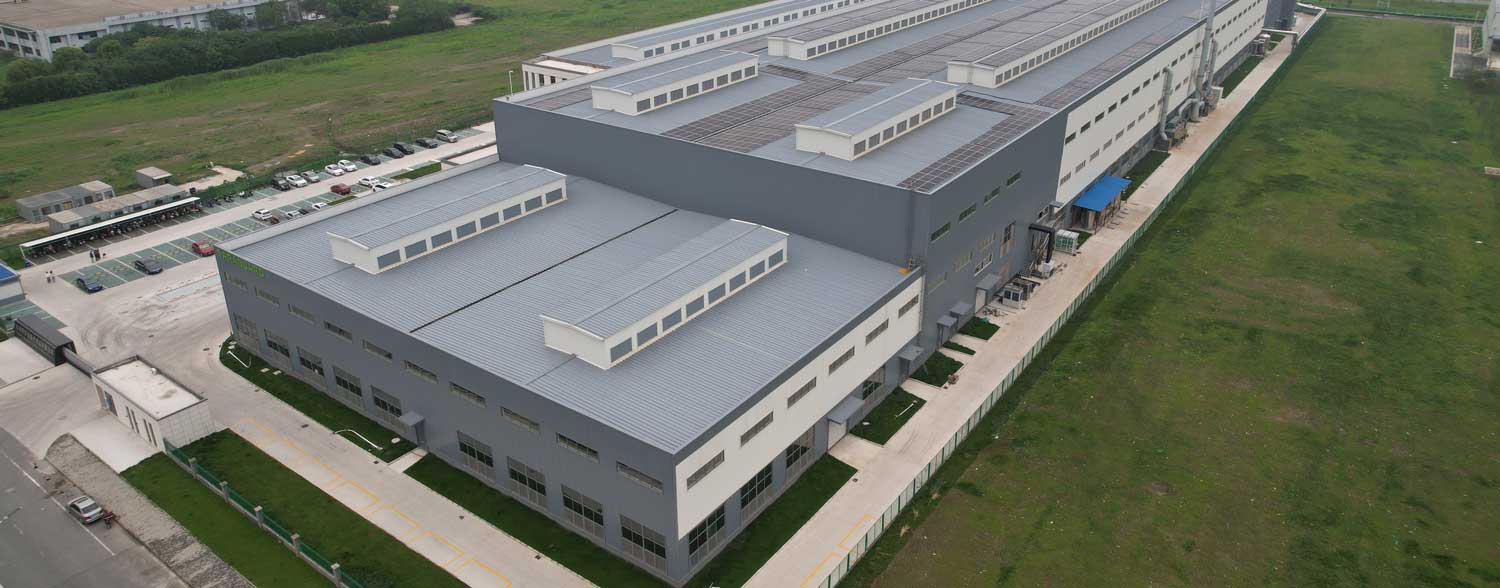
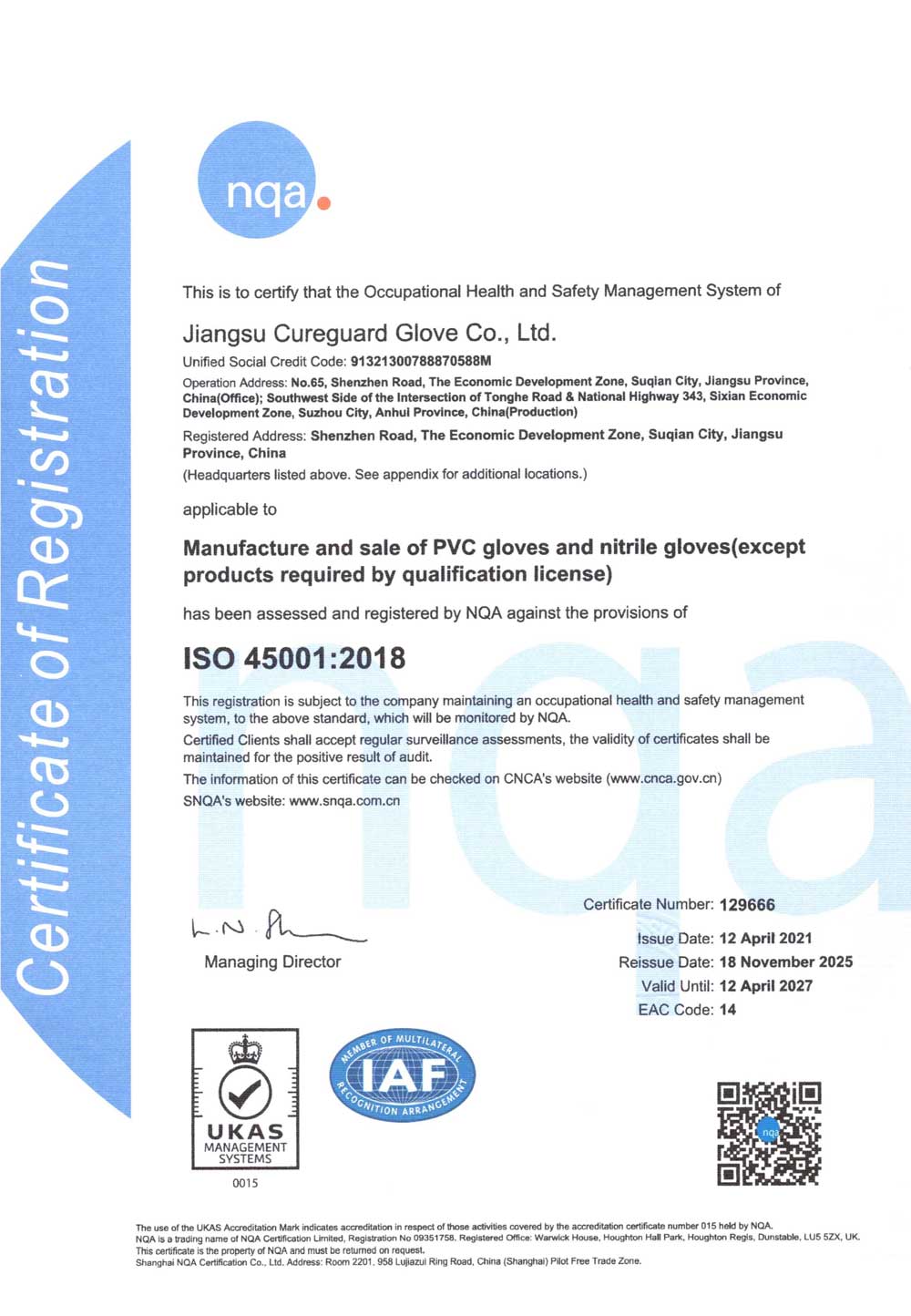
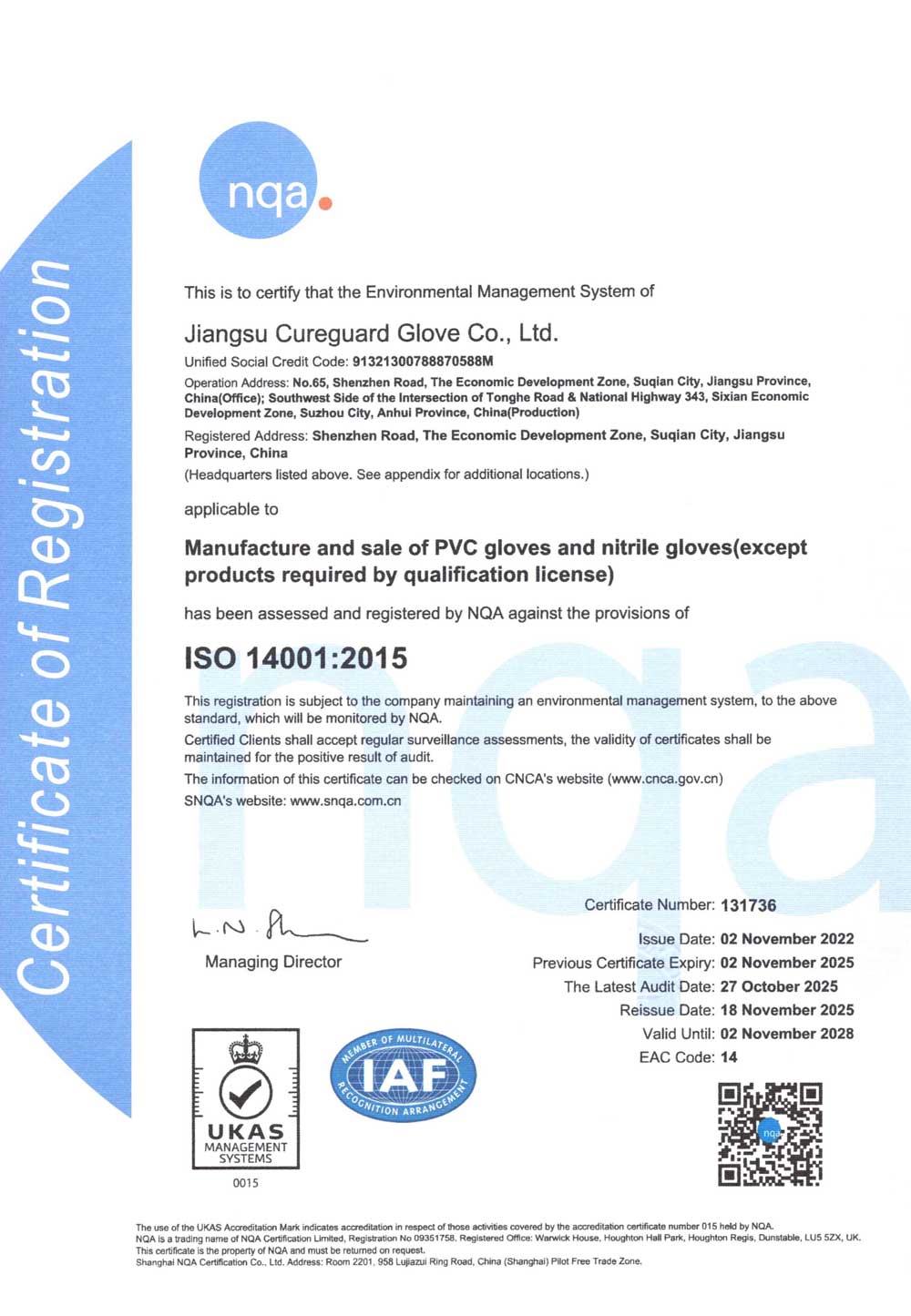
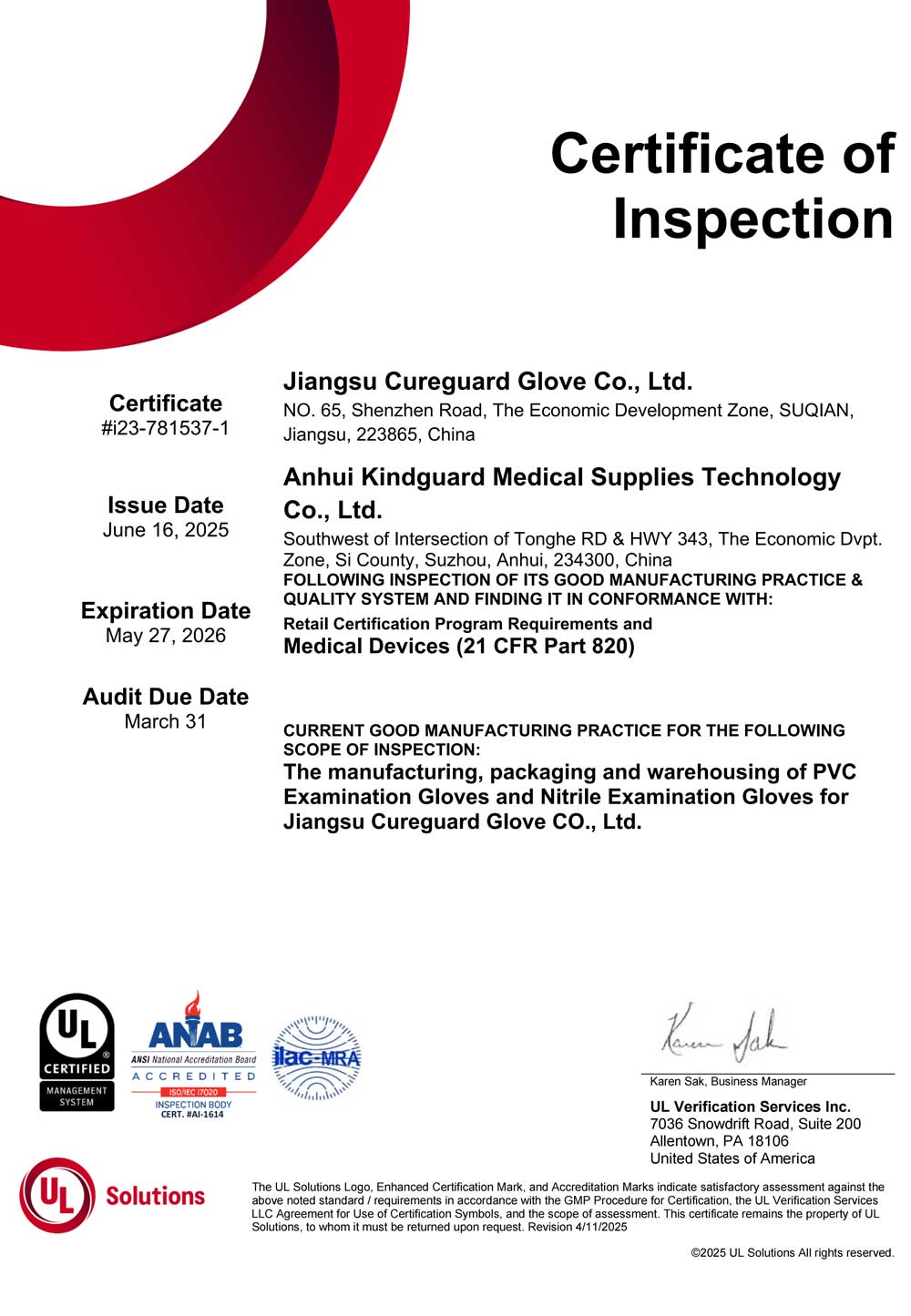
Established in 2006 and headquartered in Jiangsu Province, China, Cureguard Glove Group is specialized in glove manufacturing for over 20 years. We own over 60 production lines dedicated to disposable vinyl and nitrile gloves, and reusable vinyl gloves with an annual output exceeding 10 billion pieces. We supply various kinds of gloves to customers in more than 100 countries and regions worldwide.
We roll out different series of products to address various routine scenario needs, such as medical examination, food contact, electronic industry, household use, and advanced laboratory chemical safety.
Click View More


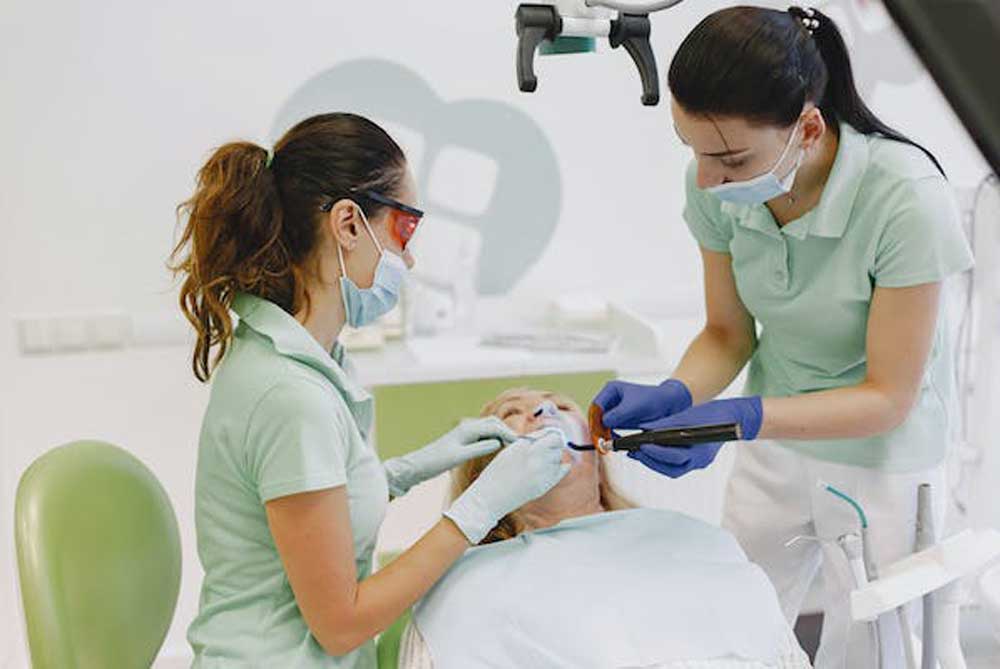
 Medical & Lab
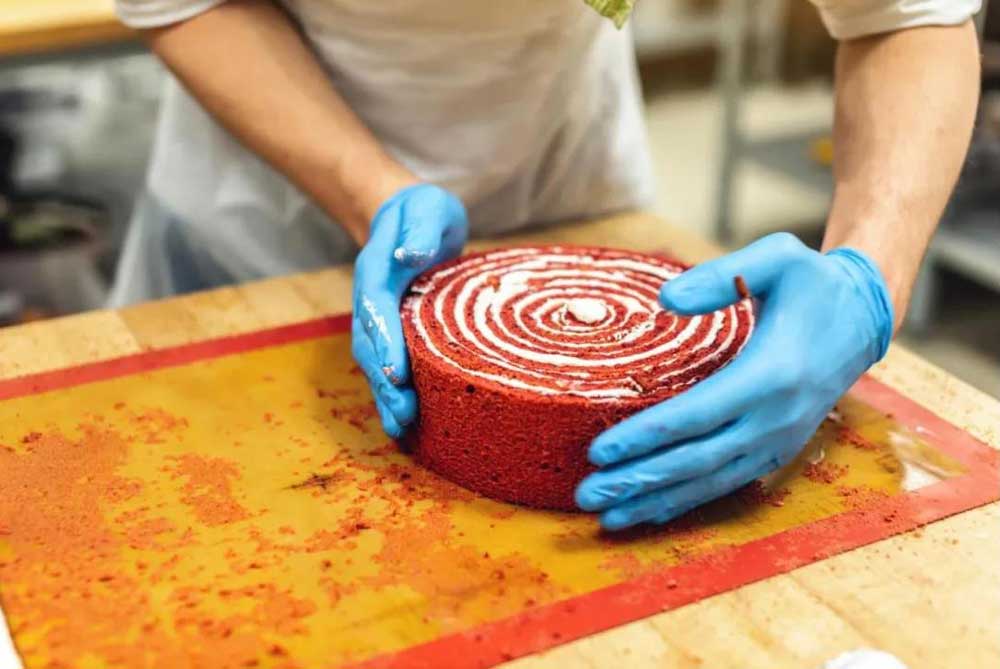
 Food Handling
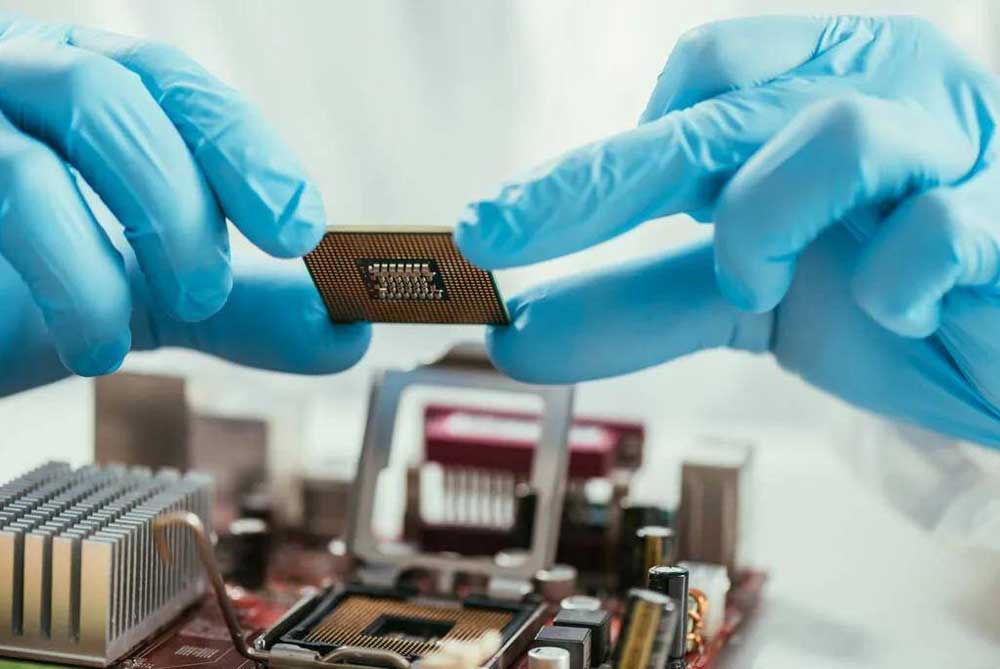
 Industrial Safety
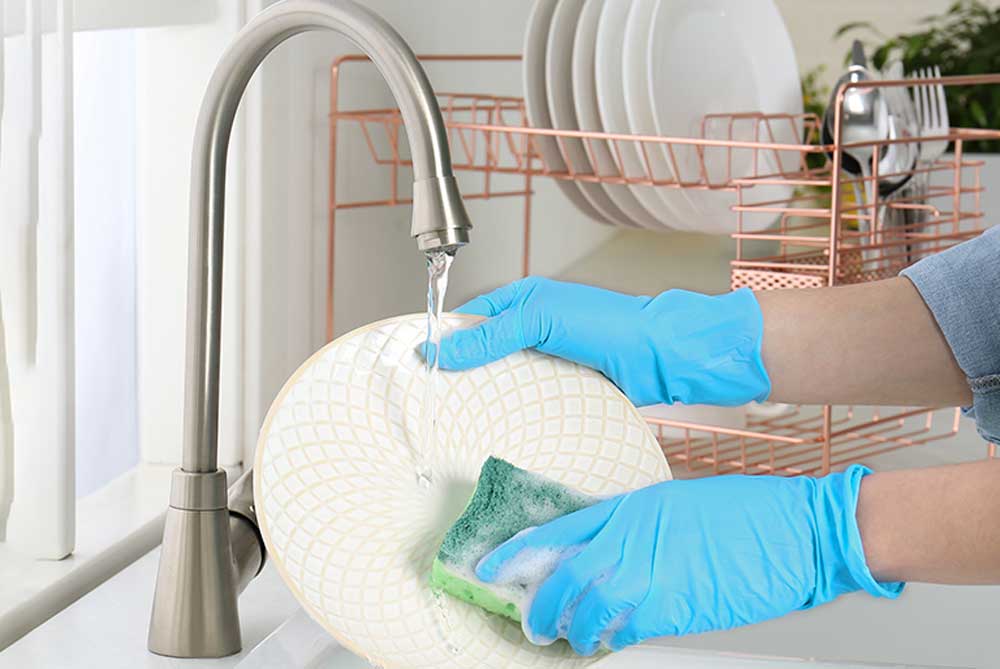
 Household
Safe materials and thoughtful details to serve as the first line of defense for your family's health.
Learn More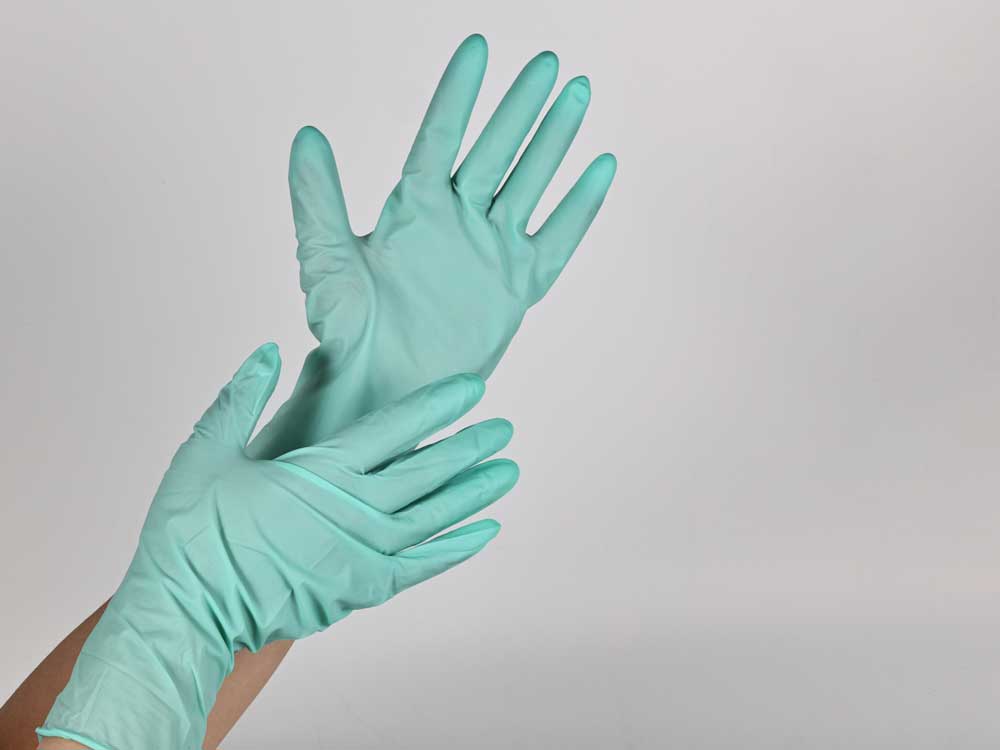
Medical staff wear protective gloves during surgery to prevent bacterial cross-infection. Proper donning techniques ensure maximum safety and barrier integrity...
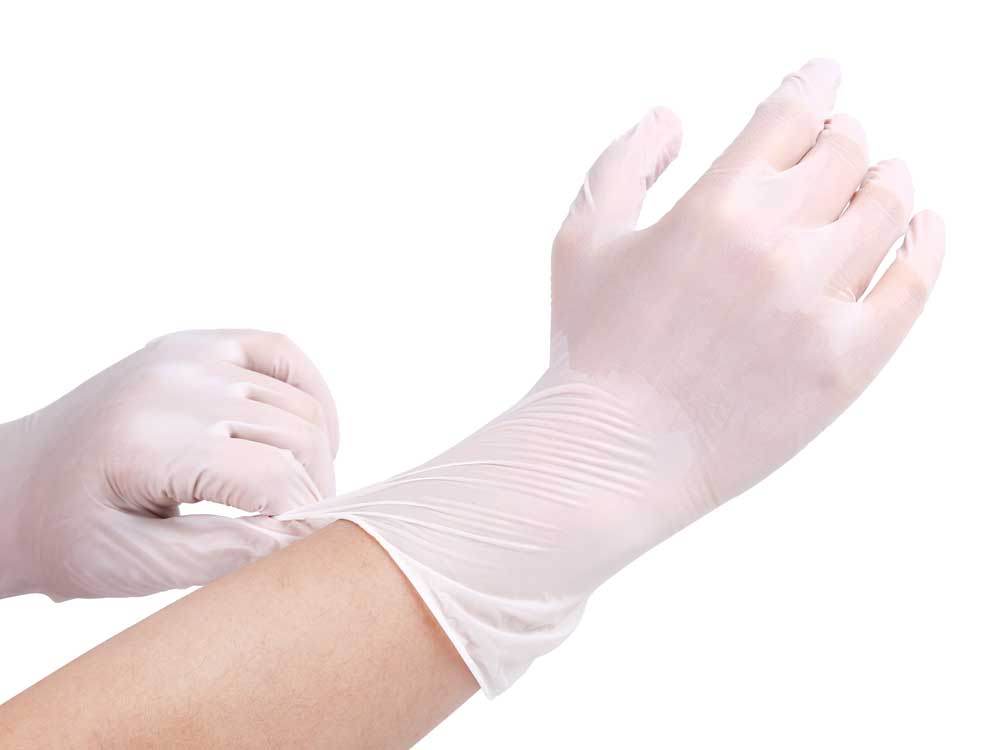
In the field of food processing and lab research, hand contact is one of the primary risk points for cross-contamination. Selecting the right polymer is crucial...
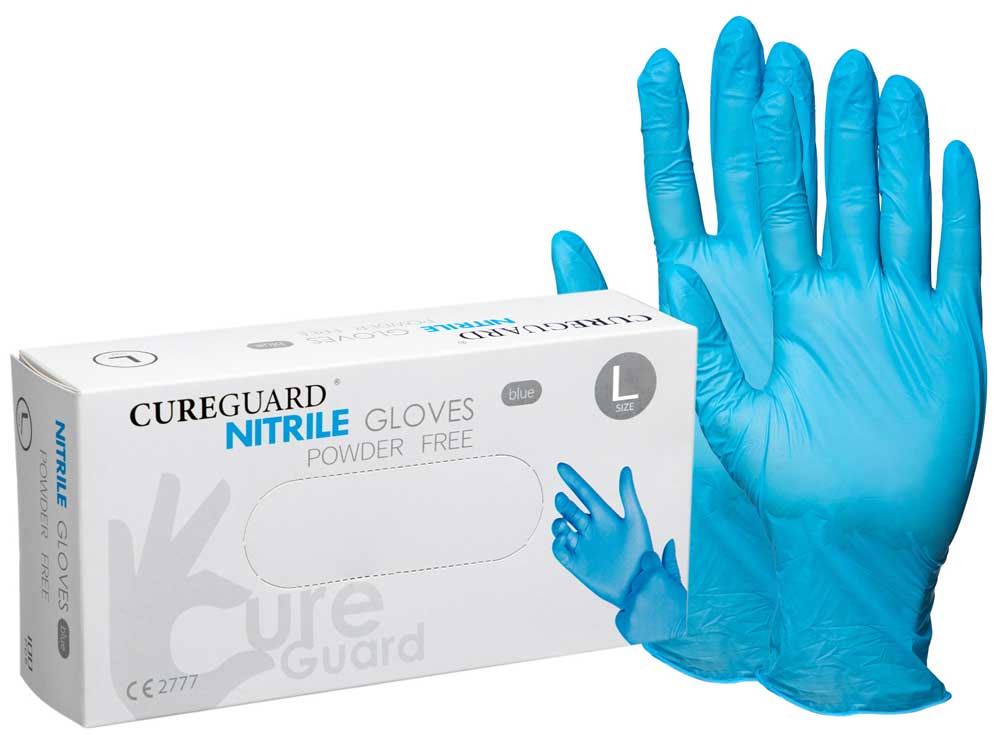
With the growing awareness of safety protection, the demand for protective equipment is showing rapid growth across medical, chemical, and industrial sectors...